5 Things You Need to Know Before You Buy a First Aid Kit
9 min reading time
9 min reading time
Most people buy a first aid kit the same way they buy a fire extinguisher — they grab one, feel better about having it, and never think about it again.
Then a real emergency hits and they reach for that kit and discover it was built for paper cuts, not trauma.
If you're serious about preparedness — whether you're in law enforcement, work in the field, or are the person in your household who other people look to when things go sideways — you need a kit built for real scenarios. Here's how to buy one that doesn't let you down.
The market is flooded with kits built for optics, not outcomes. Manufacturers load in tweezers, cold packs, and 40 bandage variants to hit an item count, then skip the components that actually stop life-threatening bleeding.
Average EMS response time in suburban areas is 7–10 minutes. In rural areas, it can exceed 20. That gap is where your kit has to perform.

A first aid kit for a day hike is not a first aid kit for a range day. A kit for your vehicle is not a kit for your home. The scenario determines the contents — and buying wrong means carrying a false sense of security.
Before you spend a dollar, answer these four questions:
A hunter in remote terrain needs hemorrhage control capability. A parent building a home kit for everyday injuries needs something different. Be specific about your scenario. Then match the kit to it.
A kit with 200 pieces that doesn't include a tourniquet is not a serious kit. Know what matters before packaging influences you.
What separates legitimate trauma gear from shelf filler:
Reviews from tactical instructors, combat medics, and verified field users carry more weight than staged product photos. Look for gear that professionals actually carry on the job.
Manufacturers advertise what's in the kit. Your job is to determine what isn't.
Run this checklist on any kit before you buy:

A kit that forces you to spend an additional $60–80 in supplements isn't the deal it looks like. Price the total out before you commit.
Substandard gear fails under the conditions it was designed for. In a real emergency — low light, shaking hands, time pressure — gear that almost works gets people killed.
The case for quality over cost:
The extra $40 you spend on quality gear now is not an upgrade — it's the margin between a tool that works and one that fails. Buy once. Carry confidently.
Gear expires. Packaging gets compromised. You'll eventually need to replace a component or sort out a defective item. When that happens, you need a brand that's reachable and responds.
Before you buy, verify:
| What to Evaluate | What to Look For | Red Flags |
|---|---|---|
| Use Case Fit | Scenario-specific contents, correct supply volumes | "All-purpose" kits with no trauma focus |
| Build Quality | Mil-spec materials, sealed packaging, rated components | Off-brand tourniquets, foil pouches, flimsy zippers |
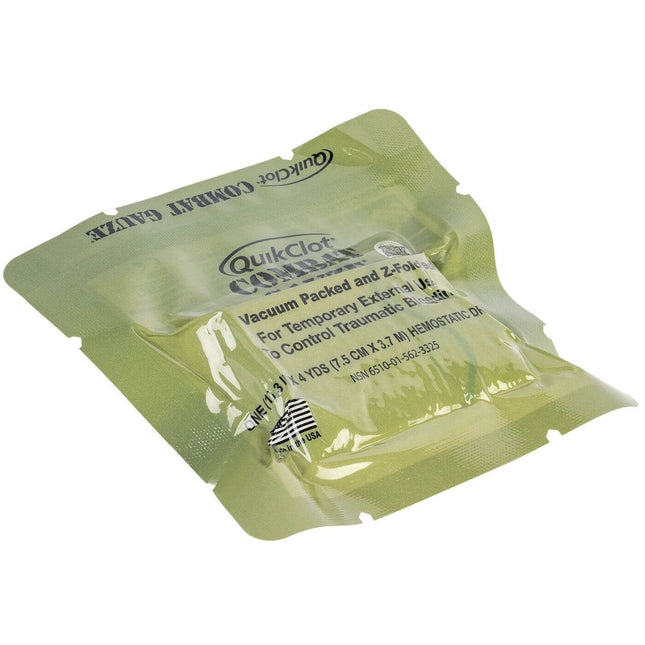
| Completeness | CAT tourniquet, chest seal, hemostatic gauze, gloves | No tourniquet, no airway adjunct, minimal bandaging |
| Replaceability | Individual components available, dated consumables | Proprietary parts, no reorder path |
| Brand Support | Clear warranty, training resources, accessible support | No contact info, no documentation |
If trauma is in scope — and for anyone operating in the field, it should be — prioritize hemorrhage control above everything else. Uncontrolled bleeding is the leading cause of preventable death in traumatic injury. That's where a quality kit earns its place.
If you're in law enforcement, military, security, or spend time in remote terrain — you need both, with the trauma kit as the priority. A basic kit handles everyday injuries. A trauma kit stops life-threatening bleeding before EMS arrives.
A quality trauma kit with a real tourniquet, hemostatic gauze, and chest seal starts around $60–80. Anything significantly cheaper is cutting corners on the components that matter most. A full loadout with a solid bag and complete supplies runs $120–200.
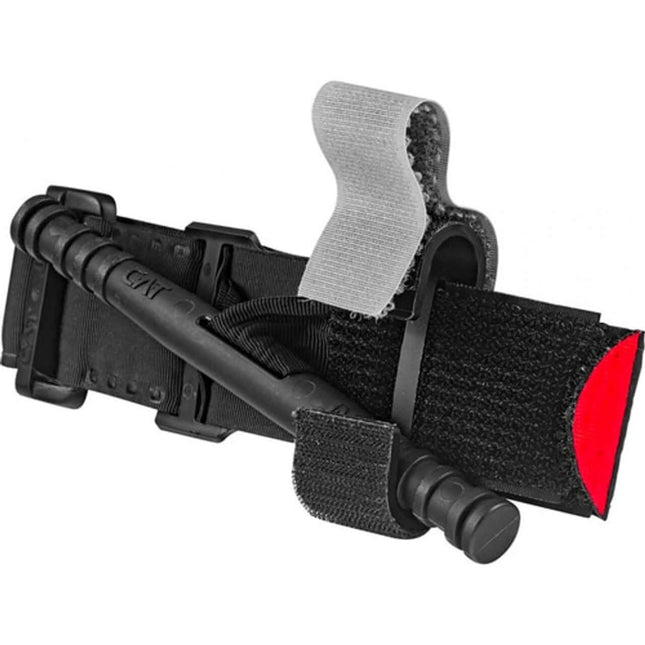
Most are not. The CAT (Combat Application Tourniquet) and SOFTT-W are the proven standards used by military and law enforcement. If a kit includes a generic tourniquet with no brand name or clinical documentation, replace it before you rely on it.
Inspect every six months minimum. Replace anything past expiration, check that seals are intact, and verify nothing is missing after any use. Vehicle kits face heat exposure that accelerates degradation — check quarterly.
Yes — especially for hemorrhage control tools. Stop the Bleed is free, takes two hours, and covers tourniquet application, wound packing, and pressure dressing. Find a course at stopthebleed.org. There is no substitute for hands-on practice before you need it.
The right first aid kit doesn't check a box — it gives you a real capability when something goes wrong. Know your use case, verify the contents, demand quality components, and buy from a brand that takes support seriously.
You prepare because you've already decided that when things go sideways, you're not waiting for someone else to handle it. Make sure your gear backs that decision.

OSHA minimum workplace kits don't include a tourniquet. Here's how to calculate station count, stock each station, and build bleed control coverage in any public...

One kit at the main entrance fails the 90-second coverage rule for most buildings. Here's how to run a coverage audit and calculate the correct...

Arterial hemorrhage kills in 3 minutes. Urban EMS takes 7–10. Every business needs CoTCCC-standard bleed control kits — here's how to select, deploy, and train...

40+ states mandate bleed control kits in schools — but most deployment plans miss classrooms and buses. Here's the placement standard that actually works.

Most of our trauma kits and first aid supplies qualify for HSA and FSA reimbursement. Don't let your benefits expire — invest them in gear that could save a life.


$124.95


$279.99

$37.49 - $139.46


$299.95 $269.95


$139.95 - $169.95

$49.95


$25.99


$164.95

We've been downrange. We know what it costs to be unprepared. ViTAC was built by U.S. Army Special Operations veterans to make sure the people who run toward the threat — and the families who depend on them — have gear that works when everything is on the line.
— ViTAC Solutions Founders | 40+ years combined Special Operations experience