Wound Care with Transparent Dressings: Complete Guide to Healing and Protection
8 min reading time
Wound care with transparent dressings provides optimal healing environments while allowing continuous monitoring without painful dressing changes. Learn proper application techniques, benefits for different wound types, and how these advanced medical dressings prevent infection while promoting faster recovery from injuries and surgical procedures.
Wound Care with Transparent Dressings: Modern Healing Technology
Wound care with transparent dressings represents a significant advancement in modern medical treatment, offering superior healing environments while simplifying the monitoring and management process. Whether recovering from surgery, treating traumatic injuries, or managing everyday cuts and abrasions, transparent dressings provide an optimal balance of protection, visibility, and comfort that traditional bandages cannot match.
These innovative medical dressings have revolutionized how healthcare professionals and prepared individuals approach wound management. By creating a protective barrier that's permeable to oxygen yet impervious to bacteria and contaminants, transparent dressings promote faster healing while reducing infection risk—all while allowing continuous visual monitoring without painful dressing changes.
This comprehensive guide covers everything you need to know about transparent dressings: how they work, their benefits for different wound types, proper application and removal techniques, and why they belong in every comprehensive first aid kit.
What Are Transparent Dressings?
Transparent dressings (also called transparent film dressings or semi-permeable membrane dressings) are thin, clear adhesive sheets made from polyurethane or similar materials. They adhere to the skin surrounding a wound while allowing you to see the wound site without removing the dressing.
Key Characteristics
Transparency
The clear material allows continuous visual monitoring of the wound without dressing removal, enabling early detection of infection or healing complications.
Semi-Permeable Membrane
The dressing allows oxygen and water vapor to pass through while blocking bacteria, viruses, and liquid water—creating an ideal healing environment.
Adhesive Border
A gentle adhesive secures the dressing to healthy skin around the wound without sticking to the wound bed itself.
Waterproof Protection
The dressing creates a waterproof barrier, allowing patients to shower or bathe without compromising wound protection.
Flexible and Conformable
Thin, flexible material conforms to body contours and moves with the skin, providing comfort during normal activities.
How Transparent Dressings Promote Healing
Transparent dressings create an optimal wound healing environment through several mechanisms:
Moist Wound Healing
Modern wound care research has proven that wounds heal faster in moist environments compared to dry conditions. Transparent dressings maintain optimal moisture levels by:
Retaining natural wound moisture and exudate
Allowing excess moisture to evaporate through the semi-permeable membrane
Preventing wound dehydration and scab formation
Supporting faster cell migration and tissue regeneration
Bacterial Barrier Protection
The semi-permeable membrane provides a critical protective function:
Blocks bacteria, viruses, and other pathogens from entering the wound
Prevents contamination from dirt, debris, and environmental exposure
Reduces infection risk significantly compared to open wounds
Creates a sterile microenvironment conducive to healing
Oxygen Permeability
Unlike occlusive dressings that completely seal wounds, transparent dressings allow oxygen exchange:
Oxygen passes through the membrane to support cellular metabolism
Aerobic healing processes proceed normally
Tissue oxygenation promotes faster recovery
Reduced Trauma During Changes
Traditional gauze dressings often stick to healing tissue, causing pain and damage during removal. Transparent dressings:
Don't adhere to the wound bed itself
Can remain in place for several days without changes
Reduce pain and trauma associated with dressing changes
Minimize disruption to healing tissue
Types of Wounds Ideal for Transparent Dressings
Transparent dressings work exceptionally well for specific wound types:
Superficial Wounds
Abrasions and Road Rash
Shallow scrapes and abrasions heal well under transparent dressings, which protect against infection while maintaining moisture for faster healing.
Minor Lacerations
Small cuts that have been closed with butterfly strips or Steri-Strips benefit from transparent dressing coverage for additional protection.
Skin Tears
Common in elderly patients or those on blood thinners, skin tears heal well with the gentle protection transparent dressings provide.
Surgical Incisions
Post-operative wound care often utilizes transparent dressings because they:
Allow surgeons to monitor incision healing without removing dressings
Protect surgical sites from contamination
Enable patients to shower while protecting incisions
Transparent dressings are the standard for securing and protecting:
Intravenous (IV) catheter insertion sites
Central line access points
PICC line sites
Other percutaneous medical devices
The transparency allows healthcare providers to monitor for signs of infection or infiltration without disturbing the site.
Donor Sites and Skin Grafts
Skin graft donor sites and recipient sites often use transparent dressings during initial healing phases to maintain optimal moisture and allow monitoring.
When NOT to Use Transparent Dressings
While versatile, transparent dressings aren't appropriate for all wounds:
Heavily Draining Wounds
Transparent dressings cannot absorb significant exudate. Wounds with heavy drainage require absorbent dressings like foam or alginate.
Infected Wounds
Active infections typically require dressings that can absorb purulent drainage and may need antimicrobial properties.
Deep Wounds
Full-thickness wounds, deep lacerations, or wounds with significant depth require packing and more substantial dressing systems.
Fragile Skin
Patients with extremely fragile skin may experience skin tears during dressing removal. Use extra caution or alternative dressings.
Proper Application Technique for Transparent Dressings
Correct application ensures maximum effectiveness and comfort:
Step 1: Prepare the Wound
Clean the wound thoroughly with saline or clean water
Remove any debris, dirt, or foreign material
Pat the wound and surrounding skin completely dry
Ensure the wound has stopped bleeding
Step 2: Prepare the Skin
Clean the skin around the wound (at least 2 inches beyond wound edges)
Dry the surrounding skin thoroughly—moisture prevents adhesion
Remove any oils, lotions, or residue from the skin
Consider using skin prep solution for better adhesion if available
Step 3: Select Appropriate Size
Choose a dressing that extends at least 1-2 inches beyond all wound edges
Ensure adequate adhesive contact with healthy skin
Avoid dressings that are too small (won't seal properly) or too large (wasteful and may not conform well)
Step 4: Apply the Dressing
Remove the backing paper carefully without touching the adhesive surface
Center the dressing over the wound
Apply gently, starting from the center and working outward
Smooth out any wrinkles or air bubbles
Press firmly around all edges to ensure good seal
Avoid stretching the dressing during application
Step 5: Secure and Document
Press around the entire perimeter to activate the adhesive
Note the date of application on the dressing or in medical records
Document wound appearance before covering
Proper Removal Technique
Gentle removal prevents skin damage and patient discomfort:
Standard Removal Method
Lift one corner of the dressing gently
Pull the dressing back slowly parallel to the skin (not upward)
Support the skin with your other hand to prevent pulling
Continue peeling slowly and steadily
If resistance is felt, stop and try a different approach
For Difficult Removal
Apply warm water or saline to loosen adhesive
Use adhesive remover wipes if available
Allow time for the adhesive to soften before continuing
Never force or rip the dressing off quickly
Monitoring Wounds Through Transparent Dressings
One of the greatest advantages of transparent dressings is the ability to monitor healing without removal:
What to Look For
Normal Healing Signs:
Wound edges coming together
Pink, healthy-looking tissue
Minimal clear or slightly yellow drainage
Decreasing wound size over time
Warning Signs Requiring Attention:
Increasing redness around the wound
Purulent (thick, cloudy, or foul-smelling) drainage
Excessive fluid accumulation under the dressing
Wound edges separating or opening
Increased pain or swelling
Red streaks extending from the wound
When to Change the Dressing
Change transparent dressings when:
Edges begin to lift or peel
Excessive fluid accumulates underneath
Signs of infection appear
The dressing becomes soiled or damaged
Manufacturer's recommended wear time is reached (typically 3-7 days)
Advantages of Transparent Dressings
Transparent dressings offer numerous benefits over traditional wound care methods:
Continuous monitoring without dressing removal
Reduced pain from fewer dressing changes
Lower infection rates due to bacterial barrier
Faster healing in moist wound environment
Waterproof protection allowing normal hygiene
Comfortable wear with flexible, breathable material
Cost-effective due to extended wear time
Easy application requiring minimal training
Transparent Dressings in Your First Aid Kit
Quality transparent dressings should be standard components in comprehensive trauma kits and first aid supplies.
Recommended Supplies
Multiple sizes of transparent dressings (small, medium, large)
Sterile saline for wound cleaning
Gauze pads for drying skin before application
Medical tape for additional security if needed
Adhesive remover wipes for gentle removal
Gloves for infection control
Professional-Grade Wound Care Supplies
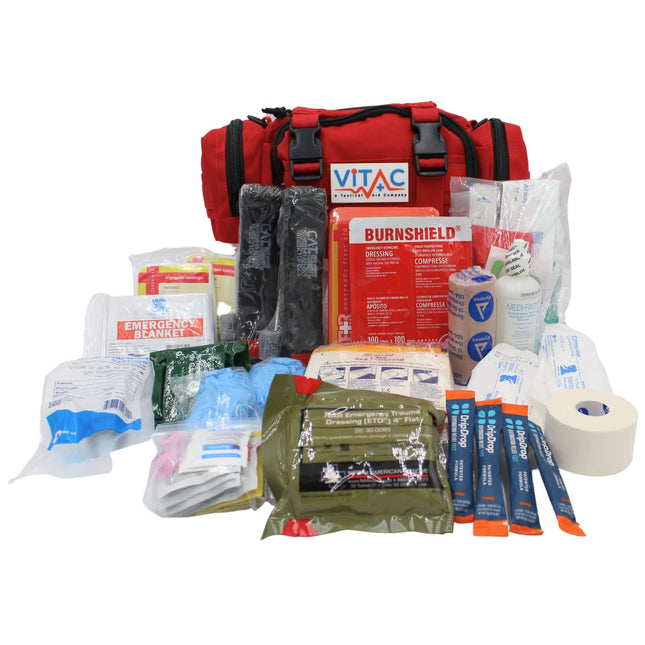
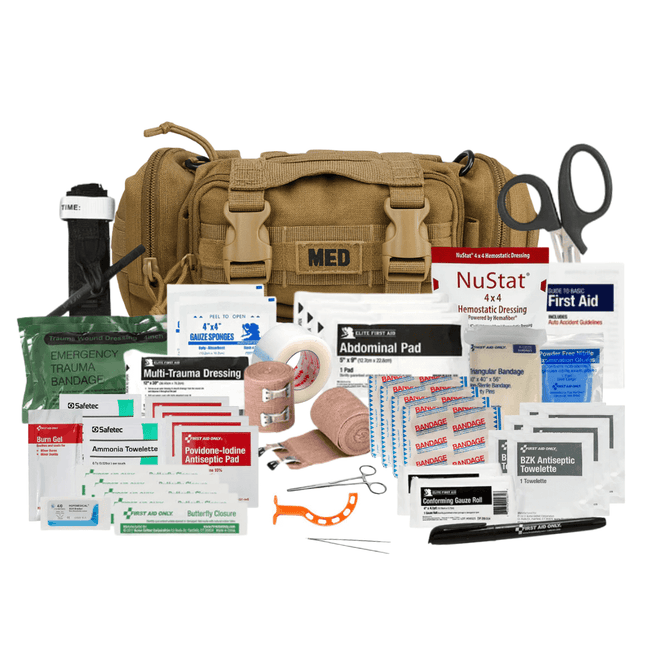
At ViTAC Solutions, we provide professional-grade wound care supplies including transparent dressings as part of our comprehensive emergency medical kits.
Our kits are curated by U.S. Army Green Berets with real-world medical experience, ensuring you have the right supplies for effective wound management in any situation.
ViTAC Solutions – Professional-grade medical equipment built by veterans, trusted by those who demand the best. Because proper wound care with quality supplies promotes faster healing and prevents complications.
In Stock
Domestic Shipping (USA - Lower 48 Only) Orders are processed within 24 hours and typically ship within 1–2 business days. Once shipped, delivery takes an estimated 3–7 days, with most orders arriving in just 5 days. Please Note: We currently do not ship to Alaska, Hawaii, or international destinations. Questions? Contact us anytime at support@vitacsolutions.com or call 307-202-8426.
In Stock
Domestic Shipping (USA - Lower 48 Only) Orders are processed within 24 hours and typically ship within 1–2 business days. Once shipped, delivery takes an estimated 3–7 days, with most orders arriving in just 5 days. Please Note: We currently do not ship to Alaska, Hawaii, or international destinations. Questions? Contact us anytime at support@vitacsolutions.com or call 307-202-8426.
In Stock
Domestic Shipping (USA - Lower 48 Only) Orders are processed within 24 hours and typically ship within 1–2 business days. Once shipped, delivery takes an estimated 3–7 days, with most orders arriving in just 5 days. Please Note: We currently do not ship to Alaska, Hawaii, or international destinations. Questions? Contact us anytime at support@vitacsolutions.com or call 307-202-8426.
In Stock
Domestic Shipping (USA - Lower 48 Only) Orders are processed within 24 hours and typically ship within 1–2 business days. Once shipped, delivery takes an estimated 3–7 days, with most orders arriving in just 5 days. Please Note: We currently do not ship to Alaska, Hawaii, or international destinations. Questions? Contact us anytime at support@vitacsolutions.com or call 307-202-8426.
Youth Emergency Preparedness: Teaching Life-Saving Skills to the Next Generation
Youth emergency preparedness education empowers children and teens with critical safety skills for uncertain times. Learn proven strategies to teach first aid, emergency response, and...
Community Preparedness: How Public Safety Leaders Build Resilient Neighborhoods
Community preparedness starts with strong leadership. This comprehensive guide empowers law enforcement officers, veterans, first responders, and civic leaders to organize emergency training, build volunteer...
First Aid Kit Checklist - What to Pack for Real-Life Emergencies
This guide dives deep into creating a tailored First Aid Kit Checklist that matches your specific risks, from everyday injuries to severe trauma. Learn the...
Trusted by Law Enforcement & Tactical Professionals
Our Mission.
We've been downrange. We know what it costs to be unprepared. ViTAC was built by U.S. Army Special Operations veterans to make sure the people who run toward the threat — and the families who depend on them — have gear that works when everything is on the line.
— ViTAC Solutions Founders | 40+ years combined Special Operations experience
Most of our trauma kits and first aid supplies qualify for HSA and FSA reimbursement. Don't let your benefits expire — invest them in gear that could save a life.
What are you preparing for? On-duty response, family preparedness, outdoor adventure... Answer 5 quick questions and we'll match you with the right gear.
Hello thank you for putting out a affordable kit we were spending a lot of money on MYMEDIC kits but I think you changed my mind
Hi Joey, thank you so much for taking the time to leave us a review. We're thrilled to hear that our kit has made a positive impression on you. We strive to provide high-quality, affordable options for our customers, and we're happy to have changed your mind about other brands. Stay safe out there!