Youth Emergency Preparedness: Teaching Life-Saving Skills to the Next Generation
9 min reading time
Youth emergency preparedness education empowers children and teens with critical safety skills for uncertain times. Learn proven strategies to teach first aid, emergency response, and disaster readiness through engaging, age-appropriate methods that build confidence, situational awareness, and community resilience.
Youth Emergency Preparedness: Building a Resilient Next Generation
Youth emergency preparedness education is more critical now than ever. In a world where uncertainty can arrive at any moment—through natural disasters, medical emergencies, power outages, or everyday accidents—equipping young people with safety skills and emergency response knowledge creates a foundation for lifelong resilience.
From practical first aid techniques to developing the mindset of readiness, teaching preparedness to children and teens ensures they can respond confidently when crisis strikes. These skills don't just protect them—they empower them to help family members, classmates, and community members in critical moments.
This comprehensive guide provides proven strategies for parents, educators, youth leaders, and community organizations to make emergency preparedness education engaging, effective, and age-appropriate.
Emergency preparedness isn't just for adults or professionals in high-risk careers. Children and teens are often the first to witness emergencies at home, school, or in public spaces. When equipped with proper training, they can recognize danger, make safe decisions, respond quickly, and even save lives.
The Reality of Youth in Emergencies
Consider these scenarios where prepared youth make a difference:
A teenager recognizes the signs of cardiac arrest and performs CPR until EMS arrives
A child knows how to call 911 and provide clear information during a home emergency
Students follow evacuation procedures calmly during a school emergency
A young person applies pressure to stop bleeding after a playground injury
Teens help elderly neighbors prepare for severe weather
These aren't hypothetical situations—they happen regularly. Prepared youth become capable responders rather than helpless bystanders.
Benefits of Teaching Emergency Preparedness to Young People
Youth emergency preparedness education provides benefits far beyond crisis response:
Builds Confidence and Independence
Knowing how to handle emergencies reduces anxiety and builds self-assurance. Young people gain confidence in their ability to manage difficult situations.
Develops Critical Situational Awareness
Preparedness training teaches youth to recognize potential hazards, assess their environment, and identify warning signs before emergencies escalate.
Reduces Fear Through Competence
Knowledge replaces fear. When children understand what to do during emergencies, they experience less panic and can think more clearly under pressure.
Creates Active Contributors to Family and Community Safety
Prepared youth become valuable team members during family emergency planning and community disaster response efforts.
Teaches Valuable Life Skills
Emergency preparedness education naturally develops problem-solving abilities, critical thinking, communication skills, leadership qualities, and empathy for others.
Age-Appropriate Emergency Preparedness Skills
Effective youth emergency preparedness education matches skills to developmental stages. Here's what to teach at different ages:
Ages 5-8: Foundation Skills
Memorizing home address and parent phone numbers
Recognizing emergency vehicles and personnel
Understanding when and how to call 911
Identifying safe adults and trusted helpers
Basic fire safety (stop, drop, and roll)
Recognizing smoke alarms and exit signs
Simple first aid concepts (applying bandages, getting adult help)
Ages 9-12: Building Competence
Proper 911 calling procedures with clear information
Basic first aid for cuts, scrapes, and minor burns
Recognizing medical emergencies (choking, severe bleeding, unconsciousness)
Home evacuation planning and practice
Assembling and maintaining emergency kits
Understanding severe weather warnings and responses
Basic CPR concepts and compression techniques
Ages 13-18: Advanced Response Skills
Full CPR and AED certification
Stop the Bleed® training and tourniquet application
Proven Strategies to Make Youth Emergency Preparedness Engaging
Children and teens learn best through experience, interaction, and creativity. Here are evidence-based methods to make preparedness training both fun and effective:
1. Hands-On Practice and Realistic Scenarios
Instead of just talking about emergencies, let young people practice response skills in controlled environments. Use age-appropriate drills and role-playing to simulate common situations.
Effective practice activities:
Mock 911 calls with proper information delivery
Applying bandages and pressure dressings to training manikins
Practicing fire evacuation routes from different rooms
Identifying exits and rally points in public spaces
Assembling emergency kits with proper supplies
Conducting family communication drills during simulated power outages
Hands-on practice builds muscle memory and reinforces quick thinking under pressure. Repetition creates confidence.
2. Gamification and Interactive Learning
Transform emergency preparedness education into engaging games and challenges. Competition and achievement motivate young learners.
Gamification ideas:
Emergency Kit Scavenger Hunts – Teams race to find and identify proper emergency supplies
Preparedness Point Systems – Award points for completing training modules or practicing skills
Hazard Spotting Challenges – Identify potential dangers in photos or real environments
First Aid Relay Races – Teams compete to properly apply bandages or perform CPR compressions
Emergency Scenario Cards – Draw cards with situations and explain proper responses
Mobile apps, online quizzes, and interactive videos can supplement hands-on training for tech-savvy youth.
3. Storytelling and Real-World Examples
Children and teens connect deeply with real-life stories. Share age-appropriate examples of young people using preparedness skills to help themselves or others.
Effective storytelling approaches:
Invite local first responders to share experiences
Show news stories of youth heroes who responded during emergencies
Read age-appropriate books about disaster preparedness
Watch educational videos featuring young people in emergency scenarios
Share family stories of how preparedness helped during past events
Stories make abstract concepts concrete and demonstrate that preparedness skills have real-world impact.
4. Peer Learning and Youth Leadership
Group learning fosters collaboration and reinforces knowledge. Older students or siblings can help teach younger ones, strengthening their own skills in the process.
Peer learning opportunities:
Teen-led first aid workshops for younger children
Youth preparedness clubs at schools or community centers
Family safety nights where kids teach parents what they've learned
Neighborhood preparedness teams with youth representatives
Scout troops earning emergency preparedness merit badges together
When young people teach others, they develop leadership skills while deepening their own understanding.
Essential Youth Emergency Preparedness Topics
Comprehensive youth emergency preparedness education should cover these critical areas:
Medical Emergencies and First Aid
Teach recognition and response for common medical emergencies including choking, severe bleeding, burns, fractures, allergic reactions, and cardiac arrest. Provide hands-on practice with first aid supplies appropriate for their age level.
Natural Disaster Response
Cover region-specific hazards like earthquakes, tornadoes, hurricanes, floods, or wildfires. Teach shelter-in-place procedures, evacuation protocols, and post-disaster safety.
Fire Safety and Prevention
Include fire prevention, smoke alarm recognition, escape planning, stop-drop-roll techniques, and safe meeting points outside the home.
Personal Safety and Stranger Danger
Teach age-appropriate personal safety skills including identifying trusted adults, safe vs. unsafe situations, and when to seek help.
Communication During Emergencies
Practice clear, calm communication with 911 operators, family members, and emergency responders. Establish family communication plans for when separated.
Emergency Kit Assembly and Maintenance
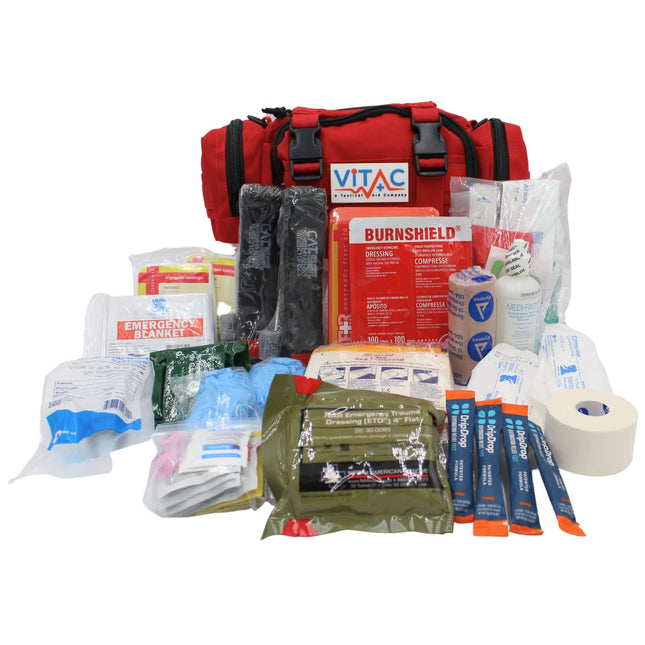
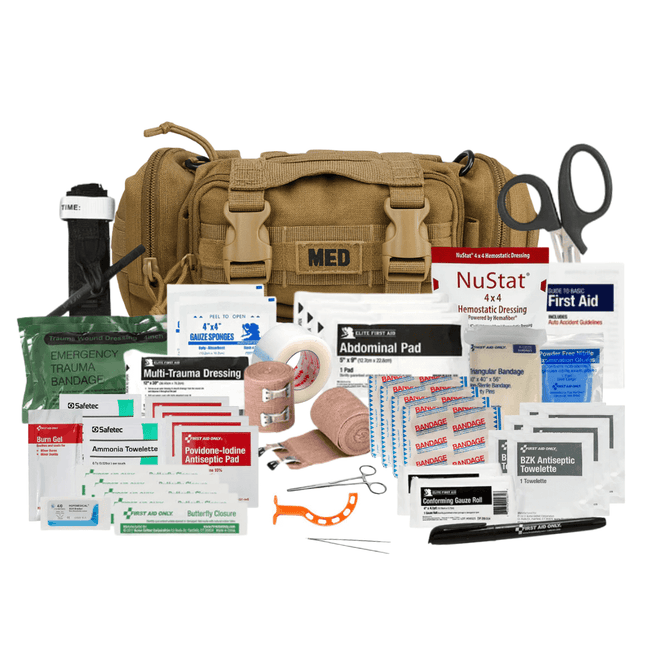
Teach what belongs in emergency kits, why each item matters, and how to maintain supplies. Let youth build their own personal emergency kits.
Creating a Family Culture of Preparedness
Youth emergency preparedness works best when integrated into family life rather than treated as a one-time lesson.
Make preparedness part of your routine:
Conduct quarterly family emergency drills
Review and update emergency plans during family meetings
Practice skills during camping trips or outdoor adventures
Involve children in emergency kit inventory and rotation
Discuss current events and how preparedness applies
Celebrate preparedness milestones and certifications
When preparedness becomes normal rather than scary, children develop healthy respect for safety without excessive fear.
Resources for Youth Emergency Preparedness Education
Training Programs:
American Red Cross Youth Preparedness Programs
FEMA Youth Preparedness Council resources
Stop the Bleed® courses for teens
CPR and First Aid certification for youth
Community Emergency Response Team (CERT) training
Educational Materials:
Age-appropriate preparedness books and workbooks
Interactive online games and apps
Printable emergency planning templates
Educational videos and documentaries
Equipping Youth with Quality Emergency Supplies
Proper training requires proper equipment. Ensure young people have access to age-appropriate emergency supplies:
For younger children (5-12):
Basic first aid kits with bandages, antiseptic wipes, and gauze
Tourniquets and pressure dressings for bleeding control
CPR masks and gloves
Emergency communication devices
Personal go-bags with essential supplies
Building a Legacy of Safety and Resilience
Youth emergency preparedness education isn't just about readiness for the next crisis—it's about building a mindset of problem-solving, care for others, and confidence in uncertain moments.
From simple actions like packing a go-bag to learning how to treat injuries or respond during disasters, these life lessons stick with young people well into adulthood. As they grow, they become advocates for readiness in their own circles—creating a ripple effect that strengthens entire communities.
The skills you teach today could save lives tomorrow. By investing in youth emergency preparedness education, you're not just protecting the next generation—you're empowering them to protect others.
At ViTAC Solutions, we believe preparedness starts early. Our field-tested emergency medical kits and first aid supplies are designed for real-world emergencies—whether you're training youth, equipping families, or preparing community organizations.
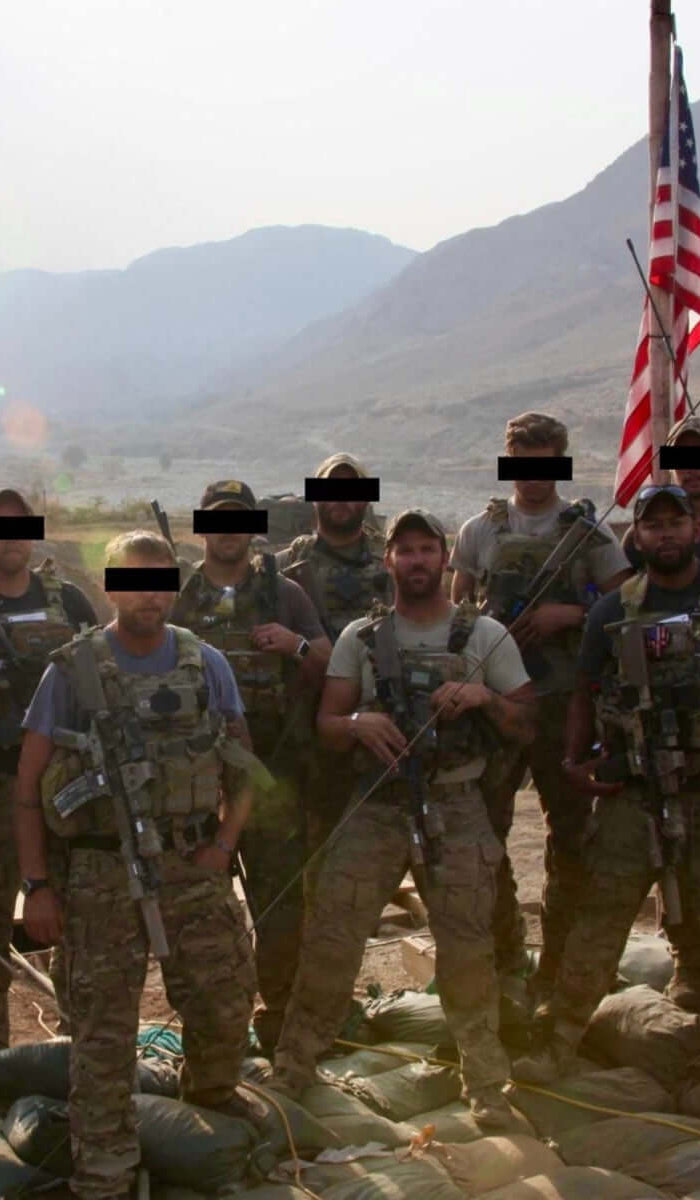
Founded by U.S. Army Green Berets, our products meet the high standards of tactical medicine while remaining accessible for civilian use. We support:
Schools and youth organizations with bulk pricing
Families building comprehensive emergency preparedness plans
Community groups conducting safety training
Educators teaching life-saving skills
Ready to equip the next generation? Explore our complete line of emergency preparedness supplies at www.ViTACsolutions.com.
ViTAC Solutions – Preparedness built by veterans, trusted by families. Because teaching safety today creates resilient leaders tomorrow.
In Stock
Domestic Shipping (USA - Lower 48 Only) Orders are processed within 24 hours and typically ship within 1–2 business days. Once shipped, delivery takes an estimated 3–7 days, with most orders arriving in just 5 days. Please Note: We currently do not ship to Alaska, Hawaii, or international destinations. Questions? Contact us anytime at support@vitacsolutions.com or call 307-202-8426.
In Stock
Domestic Shipping (USA - Lower 48 Only) Orders are processed within 24 hours and typically ship within 1–2 business days. Once shipped, delivery takes an estimated 3–7 days, with most orders arriving in just 5 days. Please Note: We currently do not ship to Alaska, Hawaii, or international destinations. Questions? Contact us anytime at support@vitacsolutions.com or call 307-202-8426.
In Stock
Domestic Shipping (USA - Lower 48 Only) Orders are processed within 24 hours and typically ship within 1–2 business days. Once shipped, delivery takes an estimated 3–7 days, with most orders arriving in just 5 days. Please Note: We currently do not ship to Alaska, Hawaii, or international destinations. Questions? Contact us anytime at support@vitacsolutions.com or call 307-202-8426.
In Stock
Domestic Shipping (USA - Lower 48 Only) Orders are processed within 24 hours and typically ship within 1–2 business days. Once shipped, delivery takes an estimated 3–7 days, with most orders arriving in just 5 days. Please Note: We currently do not ship to Alaska, Hawaii, or international destinations. Questions? Contact us anytime at support@vitacsolutions.com or call 307-202-8426.
Youth Emergency Preparedness: Teaching Life-Saving Skills to the Next Generation
Youth emergency preparedness education empowers children and teens with critical safety skills for uncertain times. Learn proven strategies to teach first aid, emergency response, and...
Community Preparedness: How Public Safety Leaders Build Resilient Neighborhoods
Community preparedness starts with strong leadership. This comprehensive guide empowers law enforcement officers, veterans, first responders, and civic leaders to organize emergency training, build volunteer...
First Aid Kit Checklist - What to Pack for Real-Life Emergencies
This guide dives deep into creating a tailored First Aid Kit Checklist that matches your specific risks, from everyday injuries to severe trauma. Learn the...
Trusted by Law Enforcement & Tactical Professionals
Our Mission.
We've been downrange. We know what it costs to be unprepared. ViTAC was built by U.S. Army Special Operations veterans to make sure the people who run toward the threat — and the families who depend on them — have gear that works when everything is on the line.
— ViTAC Solutions Founders | 40+ years combined Special Operations experience
Most of our trauma kits and first aid supplies qualify for HSA and FSA reimbursement. Don't let your benefits expire — invest them in gear that could save a life.
What are you preparing for? On-duty response, family preparedness, outdoor adventure... Answer 5 quick questions and we'll match you with the right gear.
Hello thank you for putting out a affordable kit we were spending a lot of money on MYMEDIC kits but I think you changed my mind
Hi Joey, thank you so much for taking the time to leave us a review. We're thrilled to hear that our kit has made a positive impression on you. We strive to provide high-quality, affordable options for our customers, and we're happy to have changed your mind about other brands. Stay safe out there!