ViTAC Kits That Qualify for HSA and FSA Purchase: A Complete Breakdown
7 min reading time
7 min reading time
Under IRS Section 213(d), medical expenses include any item used to diagnose, cure, mitigate, treat, or prevent disease or injury. ViTAC kits — IFAKs, trauma kits, and bleeding control kits — qualify under that standard. Their components have a direct and unambiguous medical function: tourniquets arrest arterial hemorrhage, hemostatic gauze accelerates clotting, chest seals address penetrating thoracic trauma. This guide covers which kits qualify, why, how to complete the purchase, and how to document it for reimbursement.
IRS Section 213(d) covers costs paid for the diagnosis, cure, mitigation, treatment, or prevention of disease, or for treatment affecting any structure or function of the body. That language covers tourniquets, hemostatic gauze, chest seals, pressure dressings, NPAs, nitrile gloves, gauze pads, and antiseptic wipes — the standard components in ViTAC kits. No prescription is required. No Letter of Medical Necessity is required. The items' primary medical function is the determining factor.
The same standard excludes items without a primary medical function: general-purpose carrying pouches, multi-tools, flashlights, and wellness or hygiene items. ViTAC kits are built around hemorrhage control and trauma components — nothing in the core loadout falls outside the IRS medical expense definition.
The label doesn't determine eligibility — the contents do. An IFAK (Individual First Aid Kit) is a one-person trauma kit designed to be carried on the body and accessible by another responder in an emergency. A trauma kit covers the same capability at a larger scale, often vehicle- or bag-mounted for multi-casualty use. Both qualify when they contain medical-purpose components. Focus on what's inside, not what it's called.
Field Note: The Primary Purpose Test
Avoid kits marketed primarily as "survival" or "general preparedness" packs with minimal medical content. The IRS primary purpose test applies to the kit as a whole. A kit that is 20% medical and 80% camping gear does not qualify as a medical expense in its entirety.
| Component | Eligible | Basis |
|---|---|---|
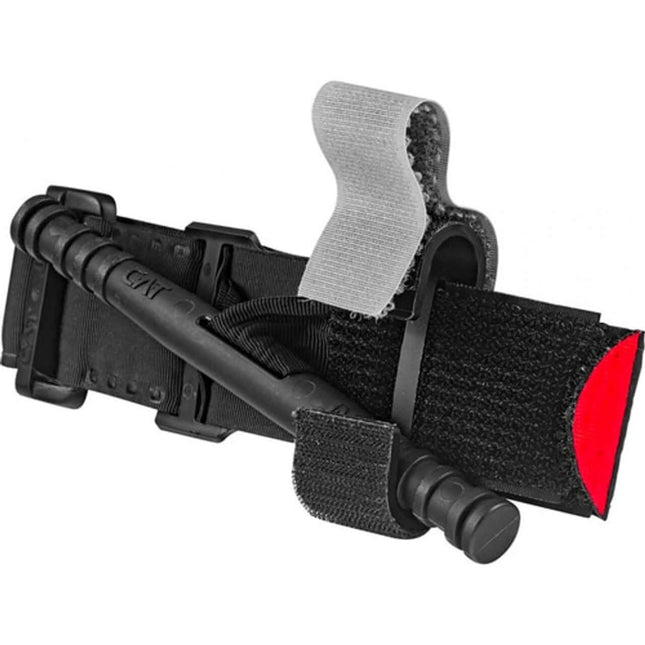
| CAT Tourniquet | Yes | Treats life-threatening extremity hemorrhage |
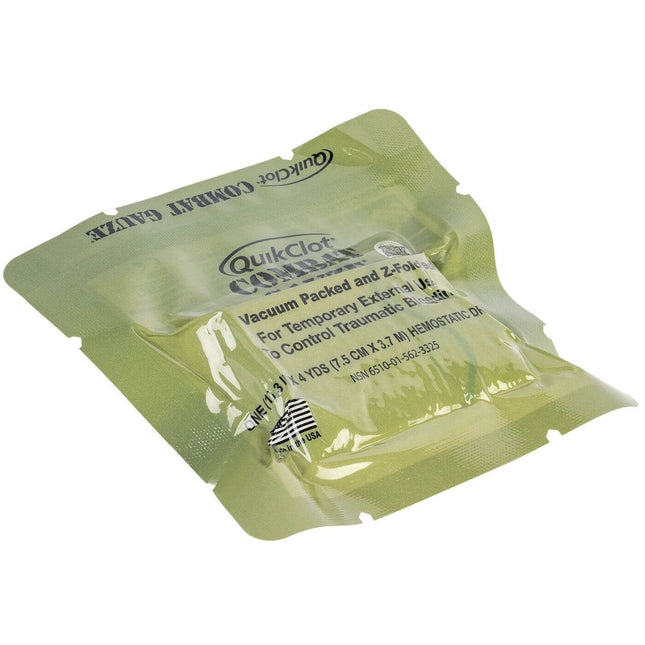
| Hemostatic Gauze (QuikClot, HemCon) | Yes | FDA-cleared wound packing agent |
| Vented Chest Seal (HyFin) | Yes | FDA-cleared; treats penetrating chest trauma |
| Pressure Dressings | Yes | Direct wound care and bleeding control |
| Nasopharyngeal Airway (NPA) | Yes | FDA-cleared airway management device |
| Nitrile Gloves | Yes | Infection control during medical treatment |
| Sterile Gauze Pads and Rolls | Yes | Wound packing and dressing |
| Trauma Shears | Yes | Exposes wounds for treatment |
| Tactical / MOLLE Pouch | No | General-purpose container; not medical |
ViTAC accepts HSA and FSA cards directly at checkout for eligible kit purchases. If your card is declined on a valid item — which occasionally happens with less-common medical products — pay out of pocket and submit an itemized receipt for reimbursement through your plan administrator's portal. A declined card at checkout does not affect the item's eligibility.
Retailers who carry SIGIS certification have inventory systems that automatically flag HSA/FSA-eligible items at checkout, reducing declined transactions on valid medical purchases. If you are unsure whether a retailer's checkout system will process your card correctly, confirm before purchasing rather than after.
You need an itemized receipt that lists each component by product name with its price and purchase date. A receipt showing only a total amount is not sufficient for HSA/FSA documentation. For pre-assembled kits, request the contents manifest — it identifies each component by name and medical function and serves as supporting documentation for your claim. The IRS can audit HSA expenditures for three years; keep digital copies organized by tax year.
Field Note: Use It or Lose It
FSA funds do not roll over at year end under most plans. If you have unspent FSA funds approaching the plan year deadline, a ViTAC kit is a legitimate medical purchase — not a workaround. Use the funds on gear that serves a real preparedness function.
If you paid out of pocket, file the reimbursement claim through your plan administrator's portal with the following: the itemized receipt, a copy of the product description showing medical purpose, and your proof of payment. Standard claim categories: Medical Supplies or First Aid Equipment. Most administrators process claims within a few business days. File before your plan's reimbursement deadline — most are December 31 or end of plan year.
If your administrator requests additional documentation for a larger purchase, provide the product description from the ViTAC product page showing the kit's intended medical use. This is a routine verification step for higher-dollar medical supply purchases, not a denial.
The Tactical Trauma Kit w/Rip-Away Feature is a full-capability IFAK with CAT tourniquet, hemostatic gauze, HyFin chest seal, NPA, and pressure dressings in a rip-away MOLLE-compatible configuration. Every component qualifies as an HSA/FSA-eligible medical expense.
The Intermediate Bleeding Control Pack focuses on hemorrhage control — tourniquet, hemostatic gauze, pressure dressings, and gloves — at a lower price point. Also HSA/FSA eligible.
The HSA/FSA-eligible kit collection lists all qualifying ViTAC products with contents manifests available on each product page.
Yes. ViTAC trauma kits contain medical-purpose components — tourniquets, hemostatic gauze, chest seals, pressure dressings — that qualify as medical expenses under IRS Section 213(d). No prescription is required.
No. These are over-the-counter medical devices. The IRS does not require a prescription or Letter of Medical Necessity for tourniquets, hemostatic gauze, chest seals, or other standard trauma kit components.
An itemized receipt listing each component by product name, price, and purchase date. For pre-assembled kits, request the contents manifest from ViTAC — it identifies each component by name and medical function and satisfies most administrator documentation requirements.
ViTAC trauma kits, IFAKs, and bleeding control kits qualify for HSA and FSA purchase under IRS Section 213(d). The components are medical equipment. No prescription is required. The documentation process is straightforward: itemized receipt, contents manifest, reimbursement claim before your plan's deadline.
For full IFAK capability, start with the Tactical Trauma Kit w/Rip-Away Feature. For a focused hemorrhage control loadout, the Intermediate Bleeding Control Pack.

OSHA minimum workplace kits don't include a tourniquet. Here's how to calculate station count, stock each station, and build bleed control coverage in any public...

One kit at the main entrance fails the 90-second coverage rule for most buildings. Here's how to run a coverage audit and calculate the correct...

Arterial hemorrhage kills in 3 minutes. Urban EMS takes 7–10. Every business needs CoTCCC-standard bleed control kits — here's how to select, deploy, and train...

40+ states mandate bleed control kits in schools — but most deployment plans miss classrooms and buses. Here's the placement standard that actually works.

Most of our trauma kits and first aid supplies qualify for HSA and FSA reimbursement. Don't let your benefits expire — invest them in gear that could save a life.


$124.95


$279.99

$37.49 - $139.46


$299.95 $269.95


$139.95 - $169.95

$49.95


$25.99


$164.95

We've been downrange. We know what it costs to be unprepared. ViTAC was built by U.S. Army Special Operations veterans to make sure the people who run toward the threat — and the families who depend on them — have gear that works when everything is on the line.
— ViTAC Solutions Founders | 40+ years combined Special Operations experience