Tourniquets on Your HSA Card: Why They Qualify and How to Buy One
6 min reading time
6 min reading time
The IRS defines a qualified medical expense as any amount paid for the diagnosis, cure, mitigation, treatment, or prevention of disease. A tourniquet that stops arterial hemorrhage meets that definition without ambiguity. If your trauma kit contains CoTCCC-recommended components, most of it qualifies for HSA and FSA reimbursement — including the tourniquet, hemostatic gauze, chest seals, and pressure dressings.
This guide covers what qualifies, why, and how to buy trauma supplies with your HSA or FSA card without claim issues.
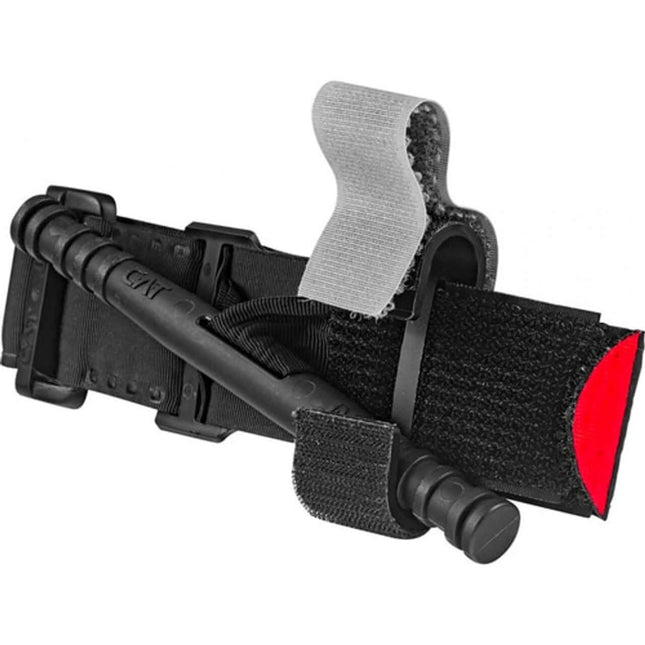
IRS Publication 502 establishes the "primary purpose" test: an item qualifies as a medical expense if its primary function is to treat or prevent a medical condition. A CoTCCC-approved tourniquet like the CAT Gen 7 has one purpose — occlude arterial blood flow to a traumatized limb to prevent exsanguination. There is no non-medical use case. It clears the primary purpose test without ambiguity.
The same logic applies to the other components in a TCCC-standard trauma kit.
| Component | Medical Function | HSA/FSA Eligible |
|---|---|---|
| Tourniquet (CAT Gen 7, SOFTT-W) | Controls life-threatening limb hemorrhage | Yes ✓ |
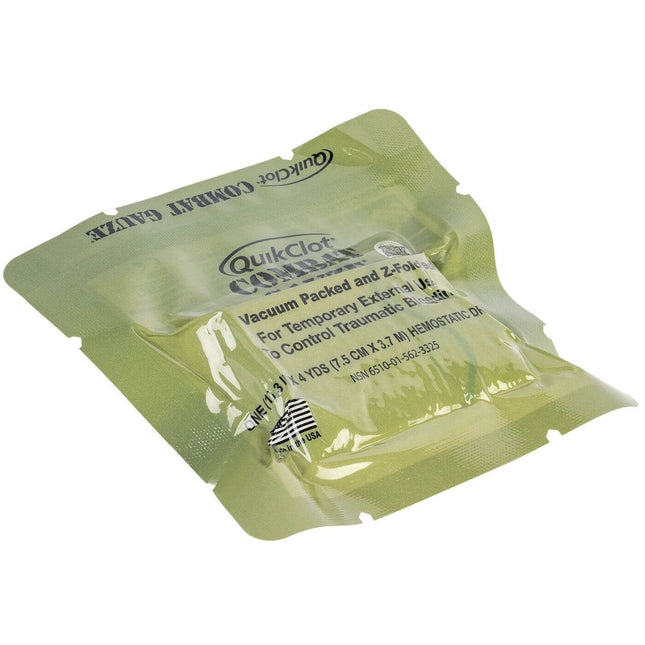
| Hemostatic gauze (kaolin-based) | Promotes clotting in compressible wounds | Yes ✓ |
| Pressure dressing (ETD, Israeli bandage) | Maintains sustained wound compression | Yes ✓ |
| Vented chest seals (paired) | Manages penetrating thoracic trauma | Yes ✓ |
| Nasopharyngeal airway (NPA) | Maintains airway in unresponsive casualties | Yes ✓ |
| Trauma shears, nitrile gloves | PPE and access tools for wound treatment | Yes ✓ |
| MOLLE pouch / kit carrier | Organizational accessory, not a medical device | Generally No ✗ |
The pouch or carrier is consistently treated as an accessory under the primary purpose test. When purchasing a pre-built kit, request an itemized receipt that separates the medical components from the carrier. Most plan administrators will reimburse the components even if the kit is sold as a unit.
Tourniquets, hemostatic gauze, chest seals, and pressure dressings are available over the counter. They do not require a prescription or Letter of Medical Necessity for HSA or FSA reimbursement. These items fall under the standard medical supply category. No doctor's authorization is needed to purchase them or file a reimbursement claim.
Field Note: Authenticate Before You Buy
Counterfeit tourniquets and off-brand hemostatics are prevalent on major retail platforms. A counterfeit CAT tourniquet fails under load. Off-brand hemostatic gauze without kaolin does not achieve clotting. Buy from authorized, veteran-owned distributors — not marketplace third-party sellers. Authentic gear is the only gear worth reimbursing. This breakdown of counterfeit risk covers the warning signs.
Rules are consistent with IRS Publication 502, but individual plan administrators have discretion on specific items. Before purchasing, confirm through your plan portal or by calling the administrator that tourniquets and trauma supplies are covered. Most administrators confirm without hesitation — these are unambiguous medical devices.
Authentic CoTCCC-recommended trauma supplies — CAT Gen 7, QuikClot Combat Gauze, vented chest seals — are available directly from ViTAC. Pre-built kits like the Tactical Trauma Kit w/Rip-Away Feature include the full TCCC loadout and are tagged HSA/FSA eligible in the product listing. At checkout, enter your HSA or FSA card details like any debit card.
Request a receipt that lists each component by name and price. A generic receipt showing "Trauma Kit — $229.95" may not satisfy your administrator if the kit includes a carrier. An itemized breakdown allows the administrator to verify the medical components separately from the pouch. Store this receipt digitally for a minimum of three years — the IRS audit window for HSA/FSA withdrawals.
FSA funds typically operate under a "use it or lose it" rule — unused balances at plan year-end are forfeited unless your employer offers a limited grace period or carryover (up to $660 under current IRS limits, at employer discretion). If you are approaching your FSA plan year-end with a remaining balance, trauma supplies are a high-value use of those funds. Unlike a copay, a tourniquet and hemostatic gauze are durable medical equipment you carry for years. Stock up on authentics before the balance expires.
HSA funds roll over indefinitely and can be invested. There is no year-end pressure on HSA balances, but the tax advantage applies regardless of timing. The right time to buy your trauma kit with HSA dollars is when you need the gear.
Yes, with the right documentation. Purchase a pre-built kit with TCCC-compliant medical components and request an itemized receipt. The medical contents — tourniquet, hemostatic gauze, chest seals, NPA, pressure dressing — qualify. The pouch typically does not. Some administrators reimburse the full kit; others require the component breakdown. Have the itemized receipt regardless.
No. Tourniquets and other over-the-counter trauma supplies do not require a prescription or Letter of Medical Necessity. They are standard medical supplies under IRS Publication 502, equivalent in treatment category to bandages or medical tape — just more specialized.
Some HSA debit cards fail on unfamiliar merchant category codes. Pay with a standard card, retain the itemized receipt, and submit a manual reimbursement request through your plan portal. Reimbursement for a qualified medical expense produces the same tax outcome as using the HSA card directly at the point of sale.
Tourniquets, hemostatic gauze, chest seals, and pressure dressings qualify as medical expenses under IRS Publication 502. No prescription required. Verify eligibility with your plan administrator, buy authentic gear from authorized distributors, and keep an itemized receipt for the medical components.
Browse ViTAC's HSA/FSA-eligible kits — all products are tagged with eligibility status in the listing.

OSHA minimum workplace kits don't include a tourniquet. Here's how to calculate station count, stock each station, and build bleed control coverage in any public...

One kit at the main entrance fails the 90-second coverage rule for most buildings. Here's how to run a coverage audit and calculate the correct...

Arterial hemorrhage kills in 3 minutes. Urban EMS takes 7–10. Every business needs CoTCCC-standard bleed control kits — here's how to select, deploy, and train...

40+ states mandate bleed control kits in schools — but most deployment plans miss classrooms and buses. Here's the placement standard that actually works.

Most of our trauma kits and first aid supplies qualify for HSA and FSA reimbursement. Don't let your benefits expire — invest them in gear that could save a life.


$124.95


$279.99

$37.49 - $139.46


$299.95 $269.95


$139.95 - $169.95

$49.95


$25.99


$164.95

We've been downrange. We know what it costs to be unprepared. ViTAC was built by U.S. Army Special Operations veterans to make sure the people who run toward the threat — and the families who depend on them — have gear that works when everything is on the line.
— ViTAC Solutions Founders | 40+ years combined Special Operations experience