Wound Dressing with Conforming Gauze: Complete Guide to Proper Application and Care
8 min reading time
Wound dressing with conforming gauze is an essential skill for managing injuries in outdoor and emergency situations. Learn proper selection, application techniques, dressing changes, and infection prevention methods to ensure optimal healing for cuts, scrapes, and traumatic wounds on the trail or at home.
Wound Dressing with Conforming Gauze: Essential Wound Care Skills
Wound dressing with conforming gauze is a fundamental skill for anyone who spends time outdoors, works in high-risk environments, or wants to be prepared for medical emergencies. Whether you're treating minor scrapes on a hiking trail, managing deeper lacerations in remote locations, or providing post-injury care at home, understanding how to properly select and apply conforming gauze ensures optimal wound healing while minimizing infection risk.
Conforming gauze stands out among wound care materials for its versatility, flexibility, and effectiveness across diverse injury scenarios. From simple cuts to complex traumatic wounds, this adaptable dressing material provides secure coverage, excellent absorption, and comfortable protection that promotes healing.
This comprehensive guide covers everything you need to know about wound dressing with conforming gauze: what makes it effective, how to select the right type, proper application techniques, dressing change protocols, and infection prevention strategies.
What Is Conforming Gauze?
Conforming gauze (also called stretch gauze or conforming bandage) is a lightweight, stretchable fabric designed to wrap around wounds and body parts while maintaining secure contact with irregular surfaces.
Key Characteristics
Flexibility and Stretch
Unlike rigid bandages, conforming gauze stretches to accommodate movement and body contours, making it ideal for joints, curved surfaces, and areas requiring mobility.
Breathability
The open-weave design allows air circulation while protecting the wound, promoting optimal healing conditions.
Absorbency
Conforming gauze effectively absorbs wound exudate (drainage), preventing moisture buildup that can impede healing or promote infection.
Versatility
Available in multiple widths, lengths, and materials, conforming gauze adapts to virtually any wound size or location.
Secure Hold
The material's slight elasticity creates gentle compression that keeps dressings in place without restricting circulation.
Why Conforming Gauze Excels for Wound Dressing
Conforming gauze offers multiple advantages over other wound dressing materials:
Comfort and Compliance
The soft, flexible material feels comfortable against skin, encouraging patients to keep dressings in place rather than removing them prematurely.
Adaptability to Body Contours
Conforming gauze wraps smoothly around fingers, elbows, knees, ankles, and other challenging areas where rigid dressings fail.
Secure Without Tape
Many conforming gauze products are self-adhering or can be secured with minimal tape, reducing skin irritation from adhesives.
Cost-Effective
Compared to specialized dressings, conforming gauze provides excellent performance at affordable prices, making it ideal for stocking first aid kits.
Understanding different conforming gauze types helps you select the right product for specific situations:
Standard Conforming Gauze
Best for: General wound coverage, securing primary dressings Features: Basic stretch, breathable, economical Common uses: Minor cuts, abrasions, post-operative care
Sterile Conforming Gauze
Best for: Fresh wounds, surgical sites, infection-prone injuries Features: Individually packaged, sterile until opened Common uses: Traumatic wounds, deep lacerations, burns
Self-Adhering Conforming Gauze
Best for: Active individuals, areas difficult to tape Features: Sticks to itself (not skin), no tape needed Common uses: Sports injuries, pediatric wounds, sensitive skin
Antimicrobial Conforming Gauze
Best for: High infection risk wounds, contaminated injuries Features: Impregnated with antibacterial agents Common uses: Dirty wounds, diabetic ulcers, immunocompromised patients
Selecting the Right Conforming Gauze
Choose conforming gauze based on wound characteristics and treatment goals:
By Wound Severity
Minor Cuts and Scrapes
Standard, non-sterile conforming gauze works well for superficial injuries with minimal contamination risk.
Deep or Extensive Wounds
Sterile conforming gauze with antimicrobial properties minimizes infection risk in serious injuries.
Contaminated Wounds
Antimicrobial or iodine-impregnated conforming gauze provides additional protection against bacteria.
By Location
Joints (Elbows, Knees, Ankles)
Highly stretchable conforming gauze accommodates movement without loosening.
Fingers and Toes
Narrow-width conforming gauze (1-2 inches) wraps digits without excessive bulk.
Torso and Limbs
Wider conforming gauze (3-6 inches) provides efficient coverage for larger areas.
By Width
1-2 inches: Fingers, toes, small wounds
3-4 inches: Hands, wrists, ankles, medium wounds
4-6 inches: Arms, legs, torso, large wounds
Proper Wound Dressing Application with Conforming Gauze
Correct application technique ensures effective wound protection and optimal healing:
Step 1: Prepare the Wound
Clean thoroughly: Irrigate with clean water or saline solution
Remove debris: Gently remove dirt, gravel, or foreign material
Disinfect: Apply antiseptic solution to reduce bacteria
Pat dry: Use sterile gauze to dry surrounding skin
Apply primary dressing: Place sterile gauze pad or specialized dressing directly on wound
Place the end of the gauze over the primary dressing
Ensure the gauze completely covers the wound and dressing
Position the roll to unwind smoothly during wrapping
Step 3: Wrap with Proper Technique
Spiral Technique (for limbs):
Start below the wound and wrap upward
Overlap each turn by 50% of the gauze width
Maintain consistent, gentle tension
Avoid wrapping too tightly (should fit two fingers underneath)
Figure-Eight Technique (for joints):
Wrap in a figure-eight pattern around the joint
Cross the gauze above and below the joint
Allows movement while maintaining coverage
Ideal for elbows, knees, ankles
Circular Technique (for cylindrical areas):
Wrap straight around the area
Each turn directly overlaps the previous
Best for arms, legs, torso
Step 4: Secure the Dressing
Self-adhering gauze: Press the end firmly against the previous layer
Standard gauze: Secure with medical tape, safety pins, or clips
Avoid: Taping directly over the wound or using excessive tape on sensitive skin
Step 5: Check Circulation
After application, verify the dressing isn't too tight:
Check color (should remain normal, not pale or blue)
Assess temperature (should feel warm, not cold)
Test sensation (patient should feel light touch)
Monitor swelling (should not increase)
Loosen immediately if circulation appears compromised
Dressing Change Protocol
Regular dressing changes prevent infection and promote healing:
Change Frequency
Minor Wounds: Every 24-48 hours or when dressing becomes soiled Moderate Wounds: Every 12-24 hours or as directed by healthcare provider Severe Wounds: Every 4-12 hours or per medical instructions Heavily Draining Wounds: As needed when saturation occurs
Avoid touching the wound or inner dressing surface
Monitor regularly for early infection signs
Infection Warning Signs
Seek medical attention if you observe:
Increasing redness spreading beyond wound edges
Warmth or heat around the wound
Swelling that worsens over time
Purulent (thick, cloudy, foul-smelling) drainage
Increasing pain rather than gradual improvement
Red streaks extending from the wound
Fever or chills
Wound edges separating or opening
Special Considerations for Outdoor Wound Care
Wilderness and outdoor settings present unique challenges:
Limited Resources
Carry adequate conforming gauze in various sizes in your hiking first aid kit. Plan for multiple dressing changes on extended trips.
Contamination Risk
Outdoor wounds often involve dirt, debris, or organic material. Extra-thorough cleaning and antimicrobial gauze reduce infection risk.
Moisture Management
Rain, stream crossings, and sweat can compromise dressings. Use waterproof outer layers or change dressings more frequently in wet conditions.
Activity Considerations
Active hiking or climbing may loosen dressings. Check and reinforce as needed, using self-adhering gauze for better retention.
Conforming Gauze in Your Emergency Kit
Stock your first aid kit with appropriate conforming gauze supplies:
Recommended Inventory
Sterile conforming gauze rolls: 2-3 rolls in assorted widths
Non-sterile conforming gauze: 2-3 rolls for securing dressings
Self-adhering gauze: 1-2 rolls for convenience
Sterile gauze pads: Multiple sizes for primary dressings
Medical tape: For securing non-adhering gauze
Antiseptic wipes or solution: For wound cleaning
Scissors: For cutting gauze to size
Gloves: For infection control
When to Seek Professional Medical Care
Some wounds require professional evaluation despite proper dressing:
Deep wounds exposing muscle, bone, or tendons
Wounds longer than 1 inch or with gaping edges
Puncture wounds from dirty objects
Animal or human bites
Wounds showing infection signs
Wounds that won't stop bleeding after 10 minutes of pressure
Facial wounds where scarring is a concern
Wounds in immunocompromised individuals
ViTAC Solutions: Professional-Grade Wound Care Supplies
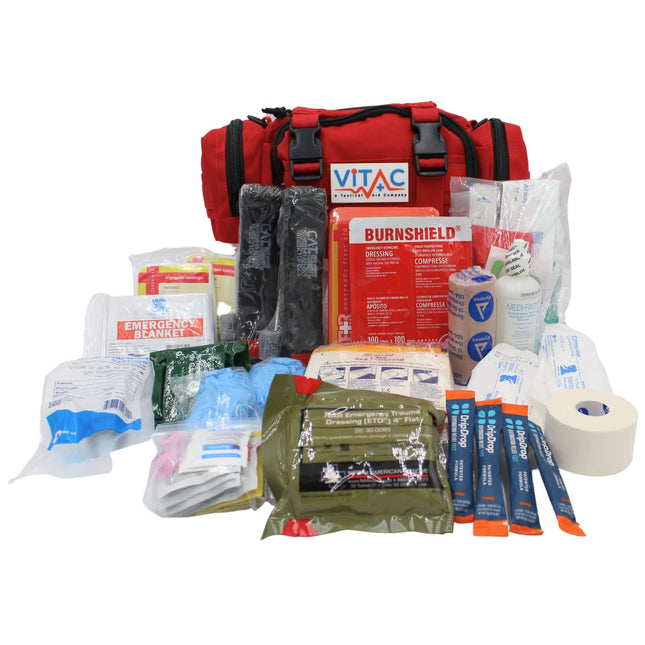
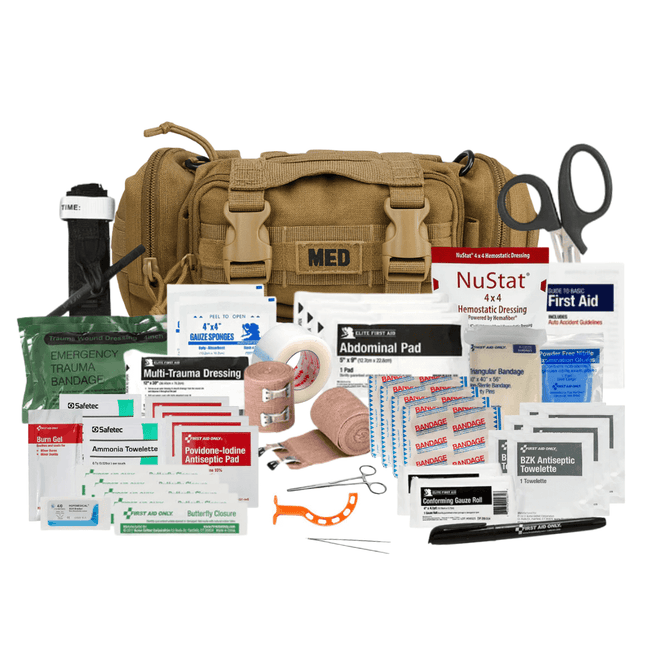
At ViTAC Solutions, we provide professional-grade trauma kits and first aid supplies including quality conforming gauze and comprehensive wound care materials.
Our kits are curated by U.S. Army Green Berets with real-world medical experience, ensuring you have the right supplies for effective wound management in any situation—from backcountry emergencies to everyday injuries.
ViTAC Solutions – Professional-grade medical equipment built by veterans, trusted by those who demand the best. Because proper wound dressing with quality supplies promotes faster healing and prevents complications.
In Stock
Domestic Shipping (USA - Lower 48 Only) Orders are processed within 24 hours and typically ship within 1–2 business days. Once shipped, delivery takes an estimated 3–7 days, with most orders arriving in just 5 days. Please Note: We currently do not ship to Alaska, Hawaii, or international destinations. Questions? Contact us anytime at support@vitacsolutions.com or call 307-202-8426.
In Stock
Domestic Shipping (USA - Lower 48 Only) Orders are processed within 24 hours and typically ship within 1–2 business days. Once shipped, delivery takes an estimated 3–7 days, with most orders arriving in just 5 days. Please Note: We currently do not ship to Alaska, Hawaii, or international destinations. Questions? Contact us anytime at support@vitacsolutions.com or call 307-202-8426.
In Stock
Domestic Shipping (USA - Lower 48 Only) Orders are processed within 24 hours and typically ship within 1–2 business days. Once shipped, delivery takes an estimated 3–7 days, with most orders arriving in just 5 days. Please Note: We currently do not ship to Alaska, Hawaii, or international destinations. Questions? Contact us anytime at support@vitacsolutions.com or call 307-202-8426.
In Stock
Domestic Shipping (USA - Lower 48 Only) Orders are processed within 24 hours and typically ship within 1–2 business days. Once shipped, delivery takes an estimated 3–7 days, with most orders arriving in just 5 days. Please Note: We currently do not ship to Alaska, Hawaii, or international destinations. Questions? Contact us anytime at support@vitacsolutions.com or call 307-202-8426.
Youth Emergency Preparedness: Teaching Life-Saving Skills to the Next Generation
Youth emergency preparedness education empowers children and teens with critical safety skills for uncertain times. Learn proven strategies to teach first aid, emergency response, and...
Community Preparedness: How Public Safety Leaders Build Resilient Neighborhoods
Community preparedness starts with strong leadership. This comprehensive guide empowers law enforcement officers, veterans, first responders, and civic leaders to organize emergency training, build volunteer...
First Aid Kit Checklist - What to Pack for Real-Life Emergencies
This guide dives deep into creating a tailored First Aid Kit Checklist that matches your specific risks, from everyday injuries to severe trauma. Learn the...
Trusted by Law Enforcement & Tactical Professionals
Our Mission.
We've been downrange. We know what it costs to be unprepared. ViTAC was built by U.S. Army Special Operations veterans to make sure the people who run toward the threat — and the families who depend on them — have gear that works when everything is on the line.
— ViTAC Solutions Founders | 40+ years combined Special Operations experience
Most of our trauma kits and first aid supplies qualify for HSA and FSA reimbursement. Don't let your benefits expire — invest them in gear that could save a life.
What are you preparing for? On-duty response, family preparedness, outdoor adventure... Answer 5 quick questions and we'll match you with the right gear.
Hello thank you for putting out a affordable kit we were spending a lot of money on MYMEDIC kits but I think you changed my mind
Hi Joey, thank you so much for taking the time to leave us a review. We're thrilled to hear that our kit has made a positive impression on you. We strive to provide high-quality, affordable options for our customers, and we're happy to have changed your mind about other brands. Stay safe out there!