Remote Travel First Aid: What to Carry When Help Is Hours Away
7 min reading time
7 min reading time
Rural EMS response times in the United States average 18 minutes — and that assumes cellular access and road coverage. Remote overland travel, 4WD tracks, and off-highway routes push that number to an hour or more. When the nearest trauma center is 60+ miles away, the kit in your vehicle is your primary medical intervention.
This guide covers what a remote travel first aid kit must contain, how to size it for your group, where to store it for fast access, and when to choose a purpose-built kit over a DIY solution.
Every remote travel kit starts with hemorrhage control and chest wound management. These items address the injuries most likely to kill before EMS arrives:
| Item | Solo Traveler | Group of 4+ |
|---|---|---|
| Adhesive bandages | 20 | 50+ |
| Sterile gauze pads | 10 | 25+ |
| Antiseptic wipes | 15 | 40+ |
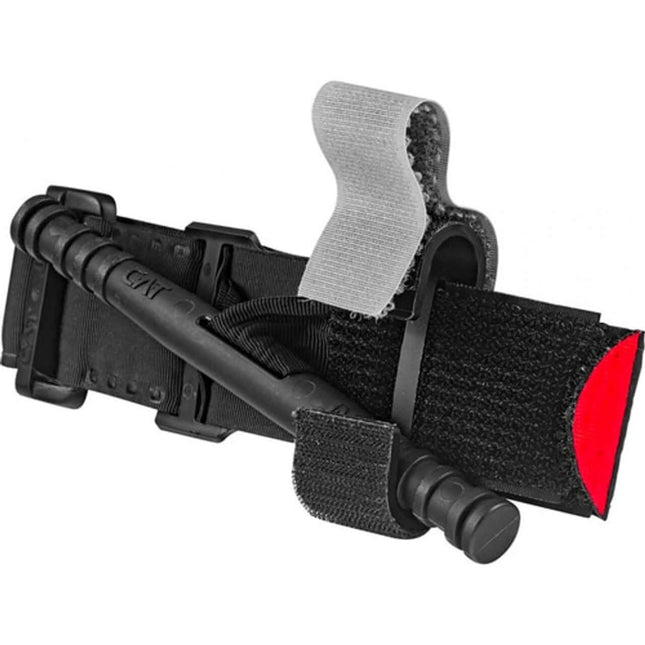
| Tourniquets | 1–2 | 2–4 (one per person recommended for extended backcountry) |
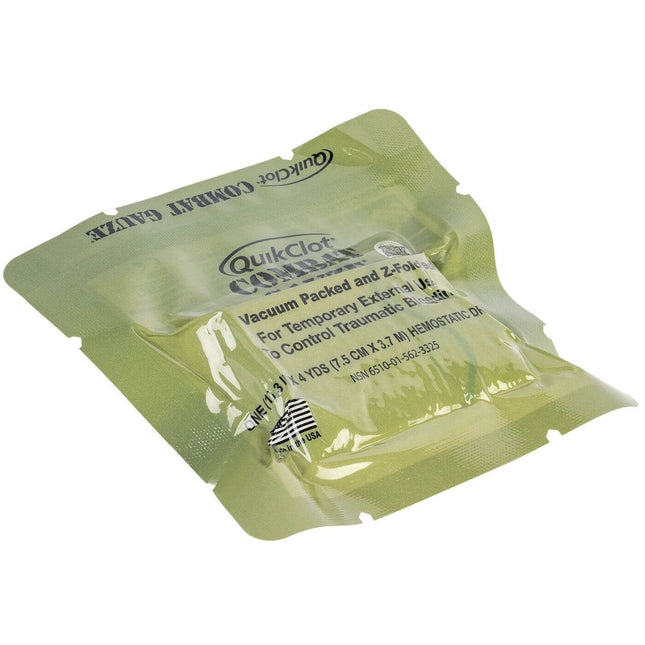
| Hemostatic gauze packages | 1 | 2–3 |
| Chest seals (pairs) | 1 pair | 2 pairs |
When traveling with children, include weight-appropriate dosing for pain relievers and antihistamines. Pediatric doses differ significantly from adult doses — carry the appropriate formulations.
The kit does no good if it takes 90 seconds to locate under gear. Standardize the storage location before departure — everyone in the vehicle must know it:
Store in a waterproof, dust-resistant case. Vehicles are harsh environments — heat, vibration, and moisture degrade medications and sterile packaging faster than home storage. Check expiration dates before every trip, not seasonally.
Field Note: Pre-Departure Check Is Non-Negotiable
Run a pre-departure check: expiration dates, packaging integrity, quantity audit against group size. Replace anything used from the previous trip before you leave — not when you arrive at the trailhead.
| Device Type | Function | Network | Subscription |
|---|---|---|---|
| Mobile phone | Calls, texts, data | Cellular — unreliable in remote terrain | Plan dependent |
| Personal Locator Beacon (PLB) | One-way SOS signal to rescue services | Satellite — works globally | Usually none |
| Satellite messenger | Two-way text, location sharing, SOS, weather | Satellite — works globally | Typically required |
If your trip takes you beyond reliable cellular coverage, a PLB or satellite messenger is not optional. Assume your mobile phone will not work. A PLB transmits your GPS coordinates directly to emergency services via satellite — no cell tower required, no subscription, one-time activation.
DIY kits allow customization, but carry meaningful risk: missed components, substandard substitutions, and inconsistent organization under stress. A purpose-built kit assembled around TCCC-standard components eliminates those gaps. The organization is pre-tested. The components are specified to standard. Under stress, you reach for the right item in the right compartment without sorting through a bag.
DIY is appropriate when augmenting an existing quality kit — adding group-specific prescriptions, increasing consumable quantities, or terrain-specific additions. It is not appropriate as the primary assembly method for life-threat response components.
Field Note: DIY Kits Must Pass MARCH Audit
If you do build a DIY kit, audit it against MARCH priorities — not against a generic consumer checklist. Massive hemorrhage control must be present, verified, and accessible before any other item is considered.
For MARCH-sequenced field response after kit deployment — patient assessment, airway management, and EMS handoff — see Preparing for Field Injuries When Help Is 30 Minutes Away.
Life-threat response tier first: TCCC-approved tourniquet, hemostatic gauze, pressure bandage, and vented chest seals. These address the injuries most likely to kill before EMS arrives. General wound care, fracture immobilization, hypothermia prevention, and medications build from that foundation.
Yes. High-energy trauma risk increases substantially on technical terrain. Off-road kits must prioritize tourniquet availability, wound packing capability, and a communication device that operates independently of cellular networks. Standard road trip kits often assume EMS is 15–20 minutes out. Off-road kits cannot make that assumption.
Behind the driver's seat, top of a cargo drawer, or MOLLE-mounted to a seat back or rollcage — wherever it can be accessed in under 10 seconds without unloading gear. Every person in the vehicle should know the location before departure.
Remote travel does not require a mobile trauma bay. It requires a tiered, organized kit scaled to your group size and trip profile, stored in a known location, verified before departure, and backed by a communication device that does not depend on cellular coverage.
Build around TCCC-standard components for each tier — starting with hemorrhage control.

OSHA minimum workplace kits don't include a tourniquet. Here's how to calculate station count, stock each station, and build bleed control coverage in any public...

One kit at the main entrance fails the 90-second coverage rule for most buildings. Here's how to run a coverage audit and calculate the correct...

Arterial hemorrhage kills in 3 minutes. Urban EMS takes 7–10. Every business needs CoTCCC-standard bleed control kits — here's how to select, deploy, and train...

40+ states mandate bleed control kits in schools — but most deployment plans miss classrooms and buses. Here's the placement standard that actually works.

Most of our trauma kits and first aid supplies qualify for HSA and FSA reimbursement. Don't let your benefits expire — invest them in gear that could save a life.


$124.95


$279.99

$37.49 - $139.46


$299.95 $269.95


$139.95 - $169.95

$49.95


$25.99


$164.95

We've been downrange. We know what it costs to be unprepared. ViTAC was built by U.S. Army Special Operations veterans to make sure the people who run toward the threat — and the families who depend on them — have gear that works when everything is on the line.
— ViTAC Solutions Founders | 40+ years combined Special Operations experience