Rural Emergency Readiness: Choosing the Right First Aid and Trauma Kits
7 min reading time
7 min reading time
When rural EMS response times average 18 to 30 minutes — and arterial bleeding kills in 3 to 5 — the kit you grabbed off the shelf six months ago may be the difference between a controlled situation and a body bag. Most people own a first aid kit. Few own the right one. Almost none know how the two differ when it counts.
This is not a shopping list. It's a field decision guide. By the time you finish reading, you'll know exactly which kit belongs in your vehicle, your bag, and your home — and why getting this wrong is not an option.
A first aid kit and a trauma kit are not interchangeable. Treating them as the same gear is the first mistake most people make.
A first aid kit handles the daily operational spectrum: lacerations, burns, blisters, sprains, minor infections. It's designed for injuries that are painful and inconvenient, not immediately fatal.
A trauma kit exists for one purpose: stopping life-threatening bleeding before EMS arrives. Penetrating wounds, arterial bleeds, amputations, tension pneumothorax — these are trauma kit scenarios. Every second without the right gear narrows the margin of survival.
⚠️ FIELD NOTE
Confusion between these two kit types in a real emergency costs critical time. Know the difference before you need it.
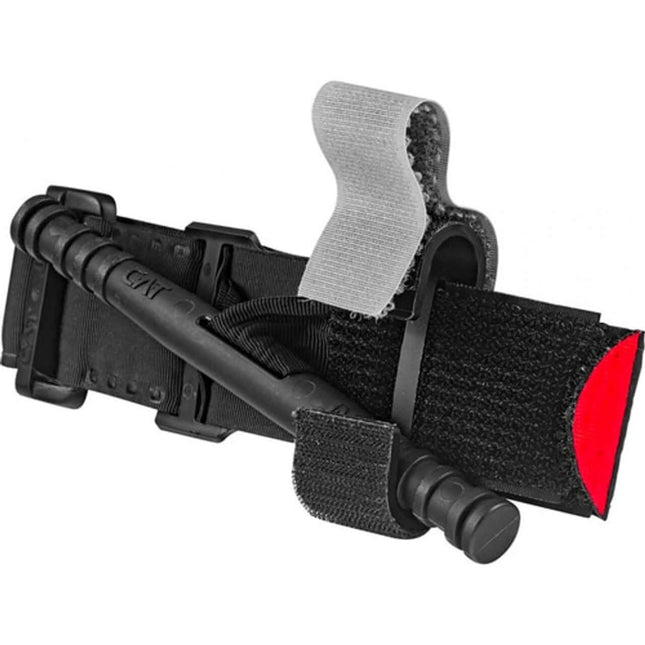
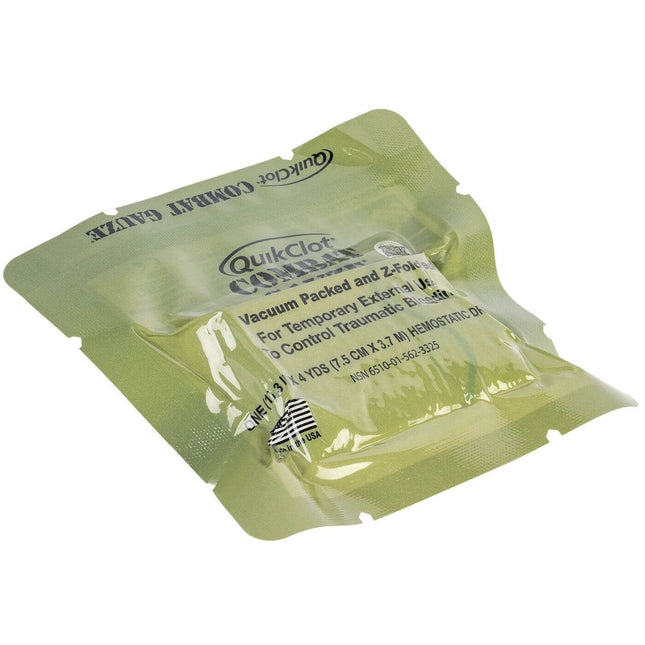
If a trauma kit doesn't include these four components, it's not a trauma kit:
⚠️ TRAINING REQUIRED
Owning trauma gear without training is a liability, not an asset. Stop the Bleed certification takes two hours and is free through many hospitals and fire departments. CoTCCC/TCCC courses provide the full spectrum. If you carry trauma gear, train on it.
A quality first aid kit covers the range of non-life-threatening injuries you're statistically far more likely to encounter: vehicle accidents, field work, hunting, hiking, and general emergencies.
The General Purpose First Aid Kit — Med Kit Pro is built for field convenience. Its rip-away design and mounting options keep it accessible when you're moving and impossible to miss when you need it.
| Feature | First Aid Kit | Trauma Kit |
|---|---|---|
| Primary Purpose | Minor injuries, everyday emergencies | Life-threatening bleeding control |
| Core Components | Bandages, antiseptics, OTC pain relief | CAT tourniquet, hemostatic gauze, pressure bandage, chest seal |
| Training Required | Minimal — basic first aid skills | High — CoTCCC/TCCC or Stop the Bleed required |
| Best For | Cuts, burns, sprains, general health | GSWs, amputations, arterial bleeds, penetrating chest trauma |
| Response Window | Non-urgent — minutes to hours | Critical — 3 to 5 minutes before irreversible loss |
Your kit should match your operational environment. Four questions determine what you need:
🛡️ VEHICLE PREP
Keep a dedicated vehicle kit separate from your carry kit. Vehicle emergencies — accidents, rollover, GSW response — require dedicated gear that stays staged and accessible, not depleted from your pack kit.
In urban areas, EMS response averages 7 minutes. In rural areas, the average climbs to 18 to 30 minutes. In remote terrain — backcountry hunting, off-grid properties, extended patrol — help may be an hour out or more.
Rural preparedness is not about owning more gear. It's about owning the right gear for the actual risk profile of your environment. That means a trauma-capable kit wherever you operate beyond the reach of rapid EMS response.
Time and isolation are the enemy. Your kit is the countermeasure.
Yes. They serve different functions. A trauma kit will not treat a blister. A first aid kit will not stop arterial bleeding. Carry both, staged appropriately for your environment.
No. Improper tourniquet application, incorrect wound packing, or the wrong chest seal on a tension pneumothorax can accelerate harm. Training is mandatory. Stop the Bleed takes two hours and is free. CoTCCC/TCCC courses provide full trauma intervention capability.
Every six months at minimum. Check expiration dates on hemostatic dressings, medications, and gloves. Restock anything used or expired immediately. A depleted kit is not a kit.
The General Purpose First Aid Kit — Med Kit Pro handles the majority of vehicle emergency scenarios. Pair it with a dedicated trauma kit staged in an accessible location in your vehicle for complete coverage.
Compact trauma kits and mini IFAK setups are purpose-built for EDC. Full-size trauma kits are for vehicles, fixed locations, and field use. Match the kit size to the carry context.
Gear selection is a decision, not a purchase. You're not buying peace of mind — you're building a capability. A first aid kit without trauma components fails in the scenarios where failure is fatal. A trauma kit without trained hands is just dead weight.
Know the difference. Stage accordingly. Train before you need to.
🚨 TAKE ACTION
Equip your vehicle, your range bag, and your field kit with gear matched to your real risk profile. Browse ViTAC's full lineup of first aid kits and trauma gear — curated by U.S. Army Special Operations veterans for operators who don't plan to be the casualty.

OSHA minimum workplace kits don't include a tourniquet. Here's how to calculate station count, stock each station, and build bleed control coverage in any public...

One kit at the main entrance fails the 90-second coverage rule for most buildings. Here's how to run a coverage audit and calculate the correct...

Arterial hemorrhage kills in 3 minutes. Urban EMS takes 7–10. Every business needs CoTCCC-standard bleed control kits — here's how to select, deploy, and train...

40+ states mandate bleed control kits in schools — but most deployment plans miss classrooms and buses. Here's the placement standard that actually works.

Most of our trauma kits and first aid supplies qualify for HSA and FSA reimbursement. Don't let your benefits expire — invest them in gear that could save a life.


$124.95


$279.99

$37.49 - $139.46


$299.95 $269.95


$139.95 - $169.95

$49.95


$25.99


$164.95

We've been downrange. We know what it costs to be unprepared. ViTAC was built by U.S. Army Special Operations veterans to make sure the people who run toward the threat — and the families who depend on them — have gear that works when everything is on the line.
— ViTAC Solutions Founders | 40+ years combined Special Operations experience