First Aid Kits vs Trauma Kits vs IFAKs: What's the Difference?
5 min reading time
Not sure which medical kit is right for you? This guide breaks down the key differences between first aid kits, trauma kits, and IFAKs in plain English, helping you choose the right emergency preparedness solution.
When it comes to emergency preparedness, the variety of medical kits available can be overwhelming. First aid kits, trauma kits, IFAKs—what's the difference, and which one do you actually need?
The truth is, each serves a different purpose and is designed for specific situations. Understanding these differences will help you make the right choice for your home, vehicle, workplace, or personal carry needs.
First Aid Kits: Your Everyday Safety Net
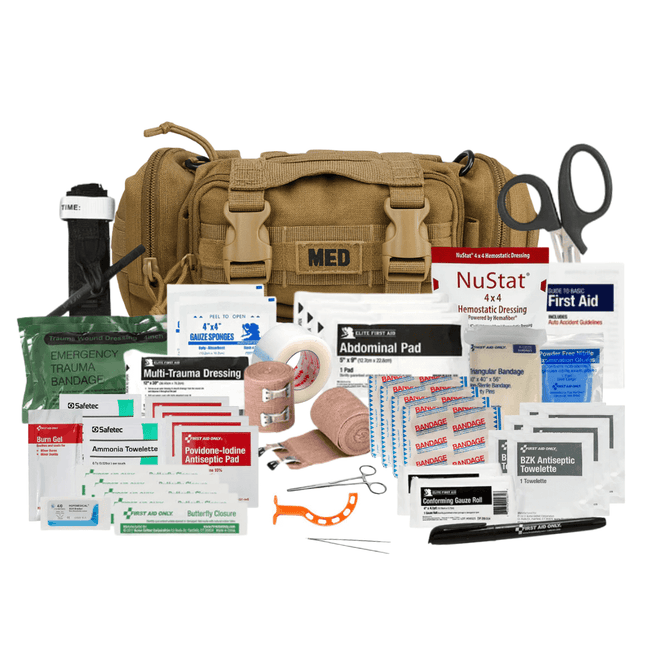
First aid kits are designed for common, non-life-threatening injuries and illnesses. Think of them as your go-to solution for everyday mishaps.
What's Inside:
Adhesive bandages (various sizes)
Gauze pads and medical tape
Antiseptic wipes and ointments
Pain relievers and basic medications
Thermometer
Instant cold packs
Tweezers and scissors
Best For:
Homes and families
Office environments
Vehicle storage
Schools and community centers
General workplace safety
Key Focus: Treating minor cuts, scrapes, burns, sprains, and common ailments where professional medical help is readily available.
Trauma Kits: When Minutes Matter
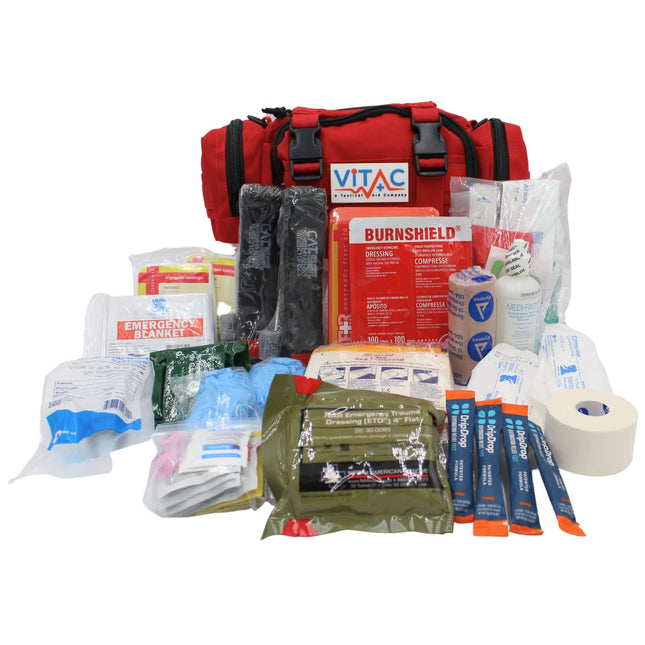
Trauma kits are built for life-threatening emergencies, particularly severe bleeding and penetrating injuries. These kits prioritize rapid intervention over comprehensive care.
What's Inside:
Tourniquets (windlass-style)
Pressure bandages
Hemostatic gauze
Chest seals
Trauma shears
Airway management tools
Emergency blankets
Best For:
Remote locations
High-risk work environments
Areas with delayed EMS response
Active shooter preparedness
Industrial and construction sites
Key Focus: Stopping life-threatening bleeding and maintaining airways until professional medical help arrives.
IFAKs: Personal Protection You Can Carry
Individual First Aid Kits (IFAKs) are compact, personal medical kits designed to be carried on your person or gear. They bridge the gap between basic first aid and trauma care.
What's Inside:
Compact tourniquet
Pressure bandage
Gauze and tape
Chest seal
Gloves
Basic wound care supplies
Best For:
Military and law enforcement
Security professionals
Outdoor enthusiasts
Personal protection
MOLLE gear integration
Key Focus: Providing essential trauma care capabilities in a compact, portable format for individual use.
📊 Quick Comparison Table
Kit Type
Primary Focus
Typical Contents
Best For
Key Considerations
First Aid Kit
Minor injuries & illness
Bandages, antiseptics, medications
Home, office, vehicle
Comprehensive but not trauma-focused
Trauma Kit
Life-threatening bleeding
Tourniquets, pressure bandages, chest seals
High-risk environments
Requires some training for effectiveness
IFAK
Personal trauma care
Compact trauma essentials
Individual carry, tactical use
Limited supplies, mission-specific
When to Choose Which
Choose a First Aid Kit When:
You need comprehensive coverage for common injuries
EMS response time is typically under 10 minutes
You're covering a group or family
The environment is relatively low-risk
Choose a Trauma Kit When:
You're in a high-risk environment
EMS response may be delayed (15+ minutes)
You need to prepare for severe bleeding scenarios
You have or plan to get trauma care training
Choose an IFAK When:
You need personal, portable protection
Space and weight are critical factors
You're in tactical or high-risk situations
You want trauma capabilities you can carry
❓ Frequently Asked Questions
Is an IFAK the same as a trauma kit?
Not exactly. While IFAKs contain trauma supplies, they're more limited and focused on individual use. Trauma kits are typically larger with more comprehensive bleeding control supplies for treating multiple casualties.
Which is best for a family vehicle?
For most families, a comprehensive first aid kit is the best choice for vehicle storage. However, if you frequently travel in remote areas or have extended EMS response times, consider adding trauma supplies or upgrading to a trauma kit.
Do I need both a first aid kit and trauma kit?
It depends on your situation. Many people start with a first aid kit and add trauma supplies based on their specific needs and risk factors. The key is having the right tools for the emergencies you're most likely to face.
Can I use trauma kit supplies for minor injuries?
While you can use some trauma supplies for minor injuries, it's not cost-effective. Trauma supplies are designed for severe emergencies and are typically more expensive than basic first aid items.
What training do I need for each type of kit?
First aid kits: Basic first aid training is helpful but not essential for simple supplies. Trauma kits: Stop the Bleed or tactical medical training is highly recommended. IFAKs: Individual medical training appropriate to your role or environment.
✅ Making Your Decision
The right medical kit depends on your specific needs, environment, and risk factors. Consider these factors:
Location: Urban vs. remote
Response time: How quickly can EMS reach you?
Risk level: What types of injuries are most likely?
Training: What's your medical skill level?
Portability: Do you need to carry it or can it be staged?
Remember, the best medical kit is the one you have with you, know how to use, and is appropriate for the emergencies you're most likely to face.
Whether you choose a first aid kit for everyday peace of mind, a trauma kit for serious preparedness, or an IFAK for personal protection, you're taking an important step toward being ready when it matters most.
In Stock
Domestic Shipping (USA - Lower 48 Only) Orders are processed within 24 hours and typically ship within 1–2 business days. Once shipped, delivery takes an estimated 3–7 days, with most orders arriving in just 5 days. Please Note: We currently do not ship to Alaska, Hawaii, or international destinations. Questions? Contact us anytime at support@vitacsolutions.com or call 307-202-8426.
In Stock
Domestic Shipping (USA - Lower 48 Only) Orders are processed within 24 hours and typically ship within 1–2 business days. Once shipped, delivery takes an estimated 3–7 days, with most orders arriving in just 5 days. Please Note: We currently do not ship to Alaska, Hawaii, or international destinations. Questions? Contact us anytime at support@vitacsolutions.com or call 307-202-8426.
In Stock
Domestic Shipping (USA - Lower 48 Only) Orders are processed within 24 hours and typically ship within 1–2 business days. Once shipped, delivery takes an estimated 3–7 days, with most orders arriving in just 5 days. Please Note: We currently do not ship to Alaska, Hawaii, or international destinations. Questions? Contact us anytime at support@vitacsolutions.com or call 307-202-8426.
In Stock
Domestic Shipping (USA - Lower 48 Only) Orders are processed within 24 hours and typically ship within 1–2 business days. Once shipped, delivery takes an estimated 3–7 days, with most orders arriving in just 5 days. Please Note: We currently do not ship to Alaska, Hawaii, or international destinations. Questions? Contact us anytime at support@vitacsolutions.com or call 307-202-8426.
Youth Emergency Preparedness: Teaching Life-Saving Skills to the Next Generation
Youth emergency preparedness education empowers children and teens with critical safety skills for uncertain times. Learn proven strategies to teach first aid, emergency response, and...
Community Preparedness: How Public Safety Leaders Build Resilient Neighborhoods
Community preparedness starts with strong leadership. This comprehensive guide empowers law enforcement officers, veterans, first responders, and civic leaders to organize emergency training, build volunteer...
First Aid Kit Checklist - What to Pack for Real-Life Emergencies
This guide dives deep into creating a tailored First Aid Kit Checklist that matches your specific risks, from everyday injuries to severe trauma. Learn the...
Trusted by Law Enforcement & Tactical Professionals
Our Mission.
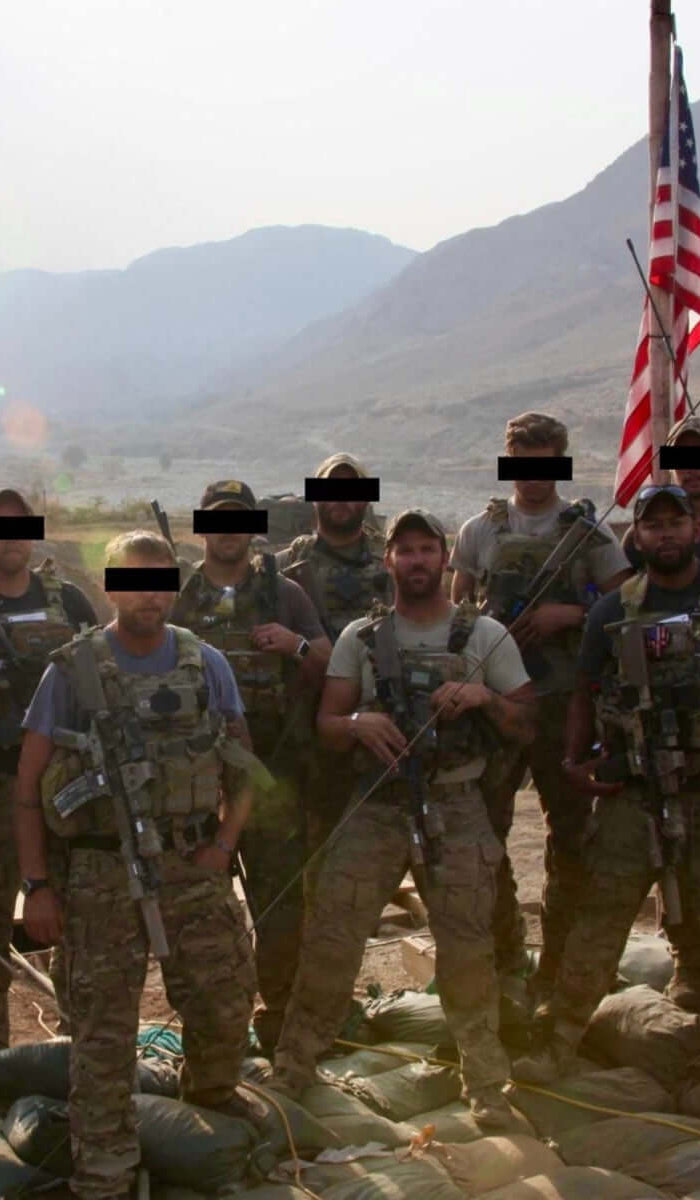
We've been downrange. We know what it costs to be unprepared. ViTAC was built by U.S. Army Special Operations veterans to make sure the people who run toward the threat — and the families who depend on them — have gear that works when everything is on the line.
— ViTAC Solutions Founders | 40+ years combined Special Operations experience
Most of our trauma kits and first aid supplies qualify for HSA and FSA reimbursement. Don't let your benefits expire — invest them in gear that could save a life.
What are you preparing for? On-duty response, family preparedness, outdoor adventure... Answer 5 quick questions and we'll match you with the right gear.
Hello thank you for putting out a affordable kit we were spending a lot of money on MYMEDIC kits but I think you changed my mind
Hi Joey, thank you so much for taking the time to leave us a review. We're thrilled to hear that our kit has made a positive impression on you. We strive to provide high-quality, affordable options for our customers, and we're happy to have changed your mind about other brands. Stay safe out there!