Butterfly Strips vs. Traditional Stitches - What You Need to Know
3 min reading time
Butterfly strips and traditional stitches both have critical roles in trauma care. As a prepared civilian or outdoor operator, knowing which to use is part of tactical medical readiness. Understand the tools in your kit and the knowledge in your head.
When you’re miles from the nearest clinic, how you treat a wound can make all the difference. Whether you're trekking the Rockies, kayaking Florida’s coast, or just hitting the range, injuries happen—and fast decision-making matters. This guide breaks down two essential wound closure methods: butterfly strips and traditional stitches, so you’ll know what to use, when to use it, and how to make the call in the field.
What Are Butterfly Strips and When Should You Use Them?
Butterfly strips, also called wound closure strips, are adhesive strips designed to pull the edges of small cuts together. They’re ideal for:
✅ Shallow cuts and lacerations
✅ Low-bleed injuries
✅ Wounds on flat, low-movement areas like the abdomen or upper arm
✅ Fast, field-based treatment without medical tools
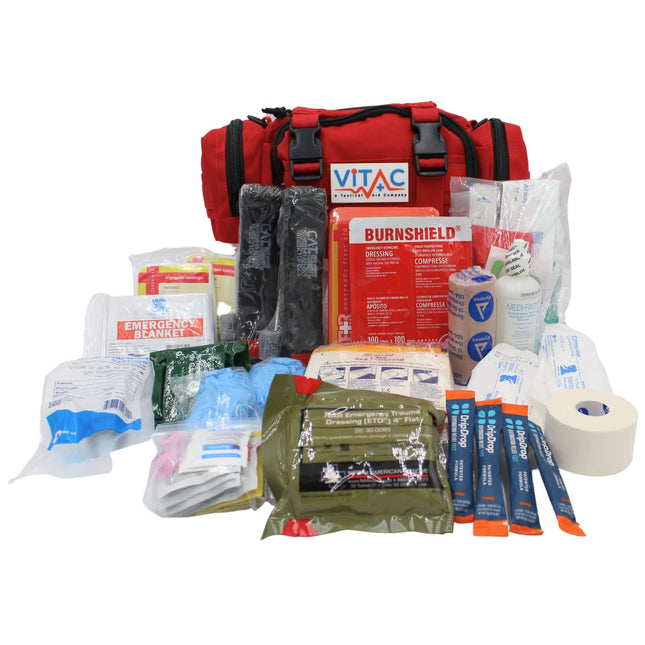
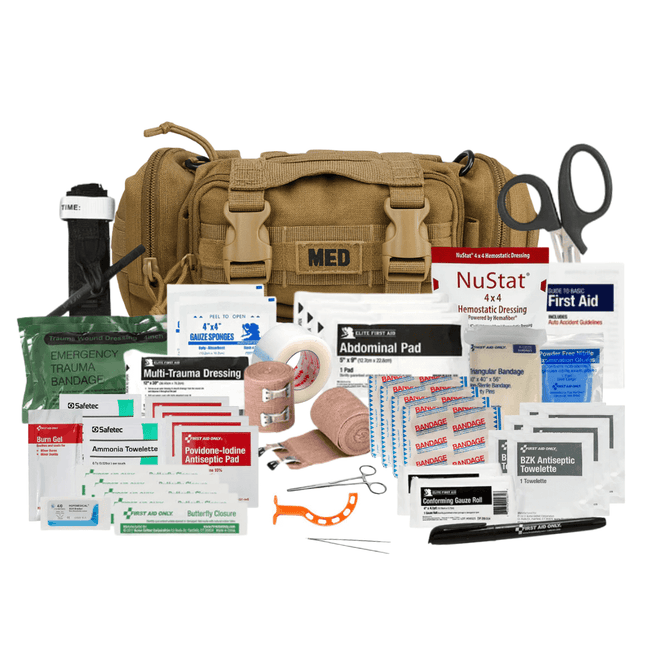
They’re non-invasive, pain-free, and don’t require stitches or a trip to urgent care. Perfect for hikers, campers, and everyday carriers of trauma kits. You’ll often find butterfly strips preloaded in premium IFAKs for good reason—they’re a smart choice for minor injuries when time is tight.
🚫 Not ideal for:
Deep or gaping wounds
High-movement zones like joints or fingers
Heavily bleeding injuries
What Are Traditional Stitches and When Do You Need Them?
Stitches (sutures) are medical procedures used to close deep wounds, often with significant bleeding or located on high-mobility areas like the knees or hands. Done by trained professionals, they involve threading and tying off wound edges to promote structured healing.
They’re the gold standard for:
🔺 Wide, deep lacerations
🔺 Facial or joint-area wounds
🔺 Situations where cosmetic outcome and strong healing are priorities
However, stitches come with more pain, longer recovery, and higher infection risk if not properly cleaned and monitored. They’re best performed in clean, clinical settings with the option for anesthesia.
How to Decide: Butterfly Strips vs. Stitches
Ask yourself these key questions when assessing the wound:
How deep is the cut?
Shallow = Butterfly Strips
Deep = Stitches
Where is it located?
Low movement = Butterfly Strips
High flex zones = Stitches
Is it still bleeding heavily?
Minor = Butterfly Strips (possibly combined with clotting agents)
Heavy = Seek medical help for potential sutures
What’s your access to care?
Remote = Butterfly Strips to stabilize until help arrives
Urban or near a clinic = Stitches may be available
🔥 Pro Tip: In remote or tactical settings, applying butterfly strips as a stop-gap can buy precious time until you reach advanced care.
Aftercare Matters—No Matter What You Choose
Whichever method is used, wound care hygiene is everything. Follow these key steps:
Clean thoroughly with antiseptic
Avoid excessive movement
Change dressings as directed
Watch for signs of infection (swelling, pus, redness)
If healing doesn’t progress or signs of infection appear, seek medical evaluation immediately.
Equip, Assess, Act
Butterfly strips and traditional stitches both have critical roles in trauma care. As a prepared civilian or outdoor operator, knowing which to use is part of tactical medical readiness. Understand the tools in your kit and the knowledge in your head.
First Aid Built by Warriors, Trusted by Adventurers
At ViTAC Solutions, our mission is rooted in field-proven readiness. Our premium trauma kitsinclude essential wound care tools like butterfly strips—backed by the same standards trusted by combat medics and elite rescue teams.
✔️ Durable, waterproof IFAKs ✔️ Medical gear selected for real-world performance ✔️ Training support and guidance built into every product
Whether you’re climbing the Sierra Nevada or teaching a CPR course in your community, ViTAC is here for you.
In Stock
Domestic Shipping (USA - Lower 48 Only) Orders are processed within 24 hours and typically ship within 1–2 business days. Once shipped, delivery takes an estimated 3–7 days, with most orders arriving in just 5 days. Please Note: We currently do not ship to Alaska, Hawaii, or international destinations. Questions? Contact us anytime at support@vitacsolutions.com or call 307-202-8426.
In Stock
Domestic Shipping (USA - Lower 48 Only) Orders are processed within 24 hours and typically ship within 1–2 business days. Once shipped, delivery takes an estimated 3–7 days, with most orders arriving in just 5 days. Please Note: We currently do not ship to Alaska, Hawaii, or international destinations. Questions? Contact us anytime at support@vitacsolutions.com or call 307-202-8426.
In Stock
Domestic Shipping (USA - Lower 48 Only) Orders are processed within 24 hours and typically ship within 1–2 business days. Once shipped, delivery takes an estimated 3–7 days, with most orders arriving in just 5 days. Please Note: We currently do not ship to Alaska, Hawaii, or international destinations. Questions? Contact us anytime at support@vitacsolutions.com or call 307-202-8426.
In Stock
Domestic Shipping (USA - Lower 48 Only) Orders are processed within 24 hours and typically ship within 1–2 business days. Once shipped, delivery takes an estimated 3–7 days, with most orders arriving in just 5 days. Please Note: We currently do not ship to Alaska, Hawaii, or international destinations. Questions? Contact us anytime at support@vitacsolutions.com or call 307-202-8426.
Arterial bleeding can cause unconsciousness in under three minutes — long before EMS arrives. This guide covers exactly what belongs in a car trauma kit,...
Youth Emergency Preparedness: Teaching Life-Saving Skills to the Next Generation
Youth emergency preparedness education empowers children and teens with critical safety skills for uncertain times. Learn proven strategies to teach first aid, emergency response, and...
Community Preparedness: How Public Safety Leaders Build Resilient Neighborhoods
Community preparedness starts with strong leadership. This comprehensive guide empowers law enforcement officers, veterans, first responders, and civic leaders to organize emergency training, build volunteer...
Trusted by Law Enforcement & Tactical Professionals
Our Mission.
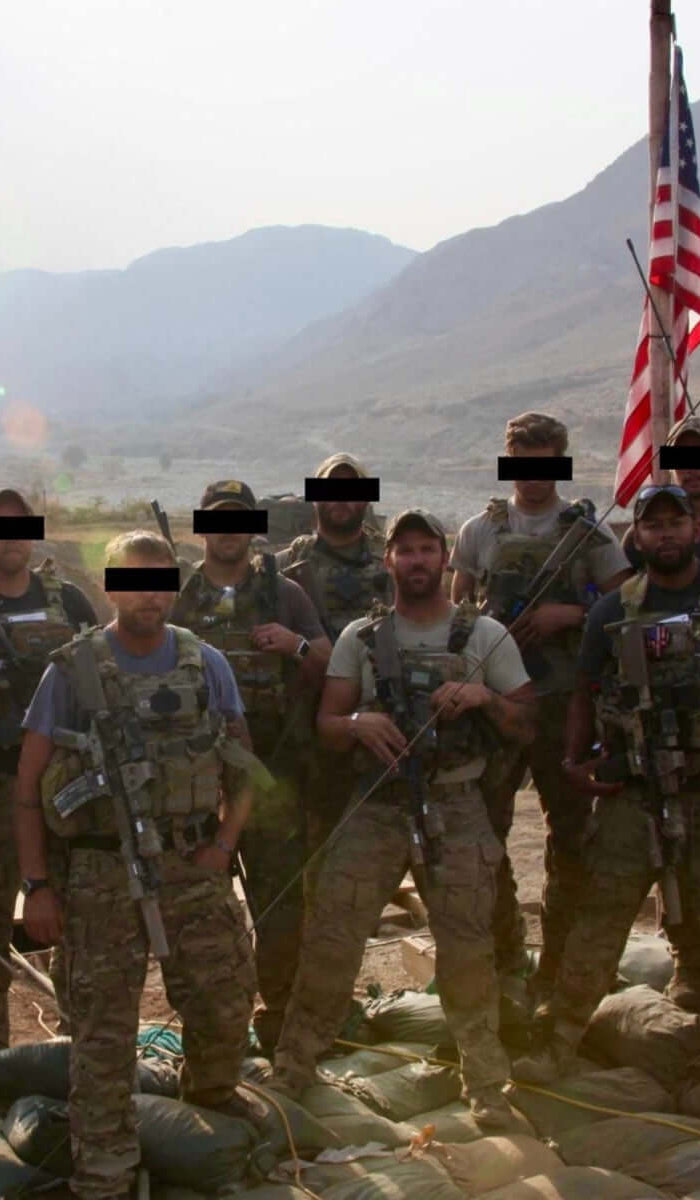
We've been downrange. We know what it costs to be unprepared. ViTAC was built by U.S. Army Special Operations veterans to make sure the people who run toward the threat — and the families who depend on them — have gear that works when everything is on the line.
— ViTAC Solutions Founders | 40+ years combined Special Operations experience
Most of our trauma kits and first aid supplies qualify for HSA and FSA reimbursement. Don't let your benefits expire — invest them in gear that could save a life.
What are you preparing for? On-duty response, family preparedness, outdoor adventure... Answer 5 quick questions and we'll match you with the right gear.
Hello thank you for putting out a affordable kit we were spending a lot of money on MYMEDIC kits but I think you changed my mind
Hi Joey, thank you so much for taking the time to leave us a review. We're thrilled to hear that our kit has made a positive impression on you. We strive to provide high-quality, affordable options for our customers, and we're happy to have changed your mind about other brands. Stay safe out there!