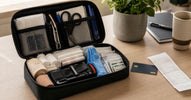
What Makes a First Aid Kit HSA Eligible: The Rules That Actually Matter
6 min reading time
6 min reading time
Health Savings Accounts cover more than most account holders realize. Under IRS Publication 502, any item whose primary function is to treat, mitigate, or prevent a medical condition qualifies as a reimbursable medical expense. That applies to far more of a well-built first aid kit than the bandages-and-antiseptic version most people picture. Tourniquets, hemostatic gauze, chest seals, and airway adjuncts all qualify — provided the purchase is documented correctly.
The IRS does not publish a line-item list of every eligible purchase. Instead, it applies one governing standard: an item qualifies if its primary function is to treat, diagnose, cure, mitigate, or prevent disease or injury. This applies regardless of whether the item is prescription-only or available over the counter. The same standard that covers a blood pressure cuff covers a tourniquet.
The distinction that disqualifies items is primary purpose, not medical category. A heating pad used acutely for an injury leans toward qualifying; the same heating pad used for daily comfort does not. The context and documented use determine eligibility — not the product itself.
Field Note: What the IRS Actually Says
IRS Publication 502 defines qualifying medical expenses as those for the "diagnosis, cure, mitigation, treatment, or prevention of disease, or for the purpose of affecting any structure or function of the body." Items for general health maintenance without a diagnosed condition do not meet this threshold. When the primary purpose is medical, the item qualifies.
The following categories consistently qualify under the primary medical purpose standard:
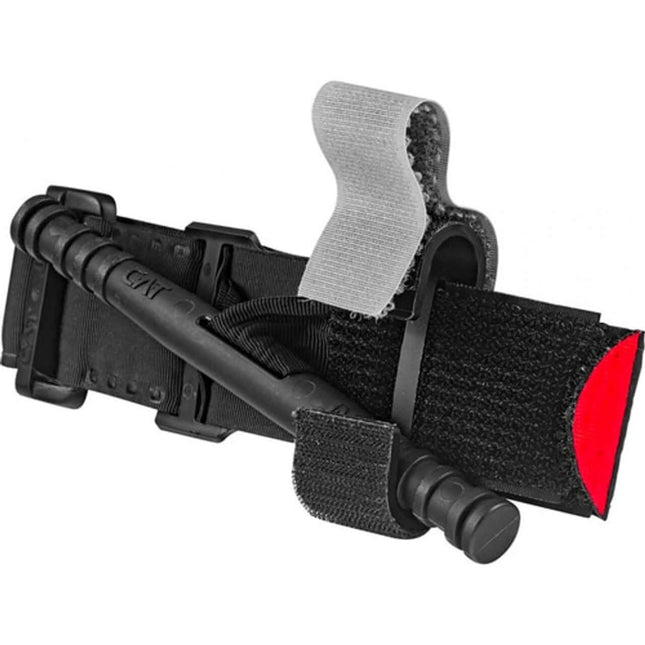
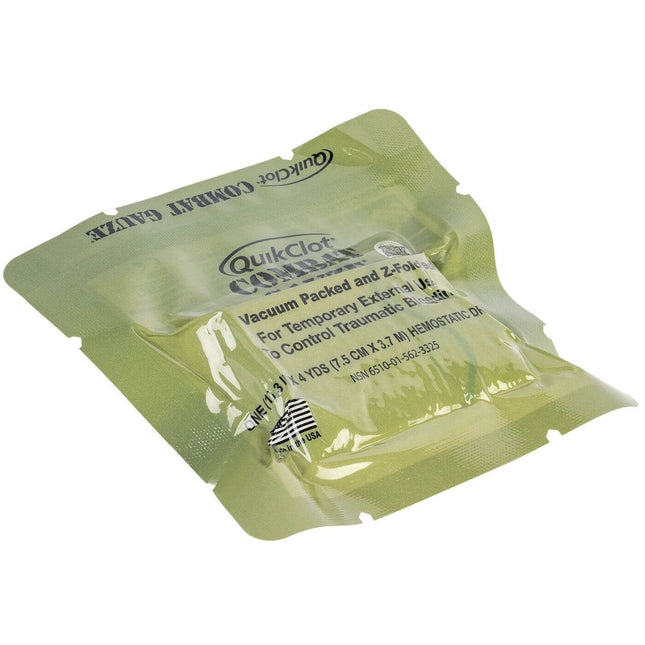
Trauma-grade components qualify for the same reason as basic wound care — their primary purpose is direct treatment of a medical emergency. Tourniquets, hemostatic gauze, compression dressings, chest seals, and nasopharyngeal airways all address specific life-threatening conditions and meet the IRS standard. A complete Premium IFAK Trauma Kit with tourniquet and chest seals qualifies in full, provided you retain itemized purchase documentation showing each component.
Since 2020, most OTC medications — pain relievers, antihistamines, antacids — qualify for HSA and FSA purchase without a prescription or physician's note. This change was made permanent under the CARES Act. Check product listings; most major retailers mark eligible items at the point of sale.
The same primary purpose standard that qualifies medical supplies disqualifies non-medical ones. Items that consistently do not qualify include:
Most first aid supplies do not require a prescription. However, specialized or therapeutic items beyond standard wound care may require a Letter of Medical Necessity (LOMN) from a physician if their primary use could be interpreted as wellness rather than treatment. If you are building a high-capability kit with advanced diagnostic equipment or therapeutic devices, verify eligibility with your HSA administrator before purchase.
HSA and FSA funds can cover first aid supplies staged at home, in vehicles, or for travel — provided the contents meet the primary medical purpose standard. Three configurations worth considering:
HSA administrators can audit purchases up to three years back. The documentation standard that protects you is an itemized receipt — not a summary that reads "First Aid Kit $XX.XX" but a line-by-line breakdown of every item purchased, its individual price, and the purchase date. If you purchase a pre-assembled kit, request an itemized contents list from the vendor at the time of purchase.
What to retain for every HSA purchase:
Keep digital copies. Name files with purchase date and product for fast retrieval if your administrator requests documentation.
Not all first aid kits qualify in full. Individual medical supplies inside a kit qualify; accessories like the carrying bag may not. Request an itemized receipt that lists each component separately. Your HSA administrator can confirm what their documentation requirements are.
No, for standard items. Basic wound care, bleeding control supplies, and OTC medications do not require a physician's note under current IRS rules. Specialized equipment beyond standard wound care should be verified with your administrator before purchase.
Yes. Tourniquets, hemostatic gauze, chest seals, and similar trauma components qualify as their primary purpose is treating life-threatening medical emergencies. Retain itemized purchase documentation.
Yes, provided the contents meet the primary medical purpose standard. Location does not affect eligibility. The medical supplies qualify; a decorative or branded case does not.
An itemized receipt showing medical items, their individual prices, and the purchase date is your primary defense. For ambiguous items, a product description confirming medical use supports the claim. Keep documentation for three years from the date of purchase.
An HSA or FSA account can fund a serious first aid capability — not just a box of bandages. The primary medical purpose rule covers everything from basic wound care to tourniquets and trauma kits. The documentation rule is equally simple: itemized receipts, retained for three years. Buy the right gear and keep the paperwork.

OSHA minimum workplace kits don't include a tourniquet. Here's how to calculate station count, stock each station, and build bleed control coverage in any public...

One kit at the main entrance fails the 90-second coverage rule for most buildings. Here's how to run a coverage audit and calculate the correct...

Arterial hemorrhage kills in 3 minutes. Urban EMS takes 7–10. Every business needs CoTCCC-standard bleed control kits — here's how to select, deploy, and train...

40+ states mandate bleed control kits in schools — but most deployment plans miss classrooms and buses. Here's the placement standard that actually works.

Most of our trauma kits and first aid supplies qualify for HSA and FSA reimbursement. Don't let your benefits expire — invest them in gear that could save a life.


$124.95


$279.99

$37.49 - $139.46


$299.95 $269.95


$139.95 - $169.95

$49.95


$25.99


$164.95

We've been downrange. We know what it costs to be unprepared. ViTAC was built by U.S. Army Special Operations veterans to make sure the people who run toward the threat — and the families who depend on them — have gear that works when everything is on the line.
— ViTAC Solutions Founders | 40+ years combined Special Operations experience