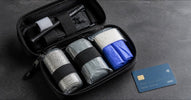
Trauma Kits and HSA/FSA: Pre-Tax Dollars for Bleeding Control Gear
12 min reading time
12 min reading time
Tourniquets, hemostatic gauze, chest seals, and pressure dressings are all qualified medical expenses under IRS Publication 502. Most HSA and FSA account holders don't know that. This guide covers what qualifies, how to document purchases, and what to buy with pre-tax dollars.
The IRS standard for HSA and FSA eligibility is the "primary purpose" test from Publication 502: funds can be used for expenses that diagnose, treat, mitigate, or prevent disease, or affect any structure or function of the body. Trauma supplies meet this standard directly. The carrier is a storage device and does not qualify. The medical components inside it do.
Items that directly treat or prevent a medical condition are eligible. For trauma gear, that includes:
Individual components purchased with clear medical purpose are your strongest position for reimbursement. Browse the hemostatics collection for CoTCCC-recommended options.
Items that are accessories, general utility tools, or for training purposes do not meet the primary purpose test. This includes:
The distinction is the wrench vs. the toolbox. The wrench — the trauma shear, the tourniquet — is the eligible item. The box it came in is not.
IRS Publication 502 defines eligible expenses as costs for diagnosis, cure, mitigation, treatment, or prevention of disease, or for affecting any structure or function of the body. For trauma supplies, the test is whether an item's primary purpose is medical treatment — not convenience or general preparedness. If the answer is yes, it qualifies. Items like the Rapid Response Trauma Kit with Advanced Bleeding Control are built for that primary purpose. When purchasing pre-assembled kits, ask for an itemized breakdown to document which components are medical and which are not.
HSA and FSA plans follow the same IRS eligibility rules, but administrators have discretion in what they flag for review. Check before you buy, keep documentation, and know your options when a card is declined.
Don't assume eligibility. Check before purchase.
If a representative can't confirm eligibility on the spot, ask them to note your inquiry. That documentation can be useful if a reimbursement claim gets questioned later.
Field Note: Card Declined Doesn't Mean Ineligible
Some administrators require manual review for less common items. If your card is declined at checkout, pay out-of-pocket and submit for reimbursement with your itemized receipt. This is the standard path for specialty trauma supplies.
For trauma supplies, counterfeit products are a documented problem — particularly with tourniquets. A CAT Gen 7 that fails strap stitching or windlass retention is worse than not having one. Buy from vendors that specialize in verified, mil-spec trauma gear. Pre-assembled kits from trusted sources also reduce guesswork on component selection compared to building from unvetted sources.
Two paths for eligible purchases:
Card declines are often a billing address or available balance issue — not an eligibility issue. Verify those before assuming the item isn't covered.
The IRS allows HSA and FSA funds for items that diagnose, treat, or prevent medical conditions. For trauma kits, that means the medical components — not the carrier. Focus on the components with a clear, singular medical purpose.
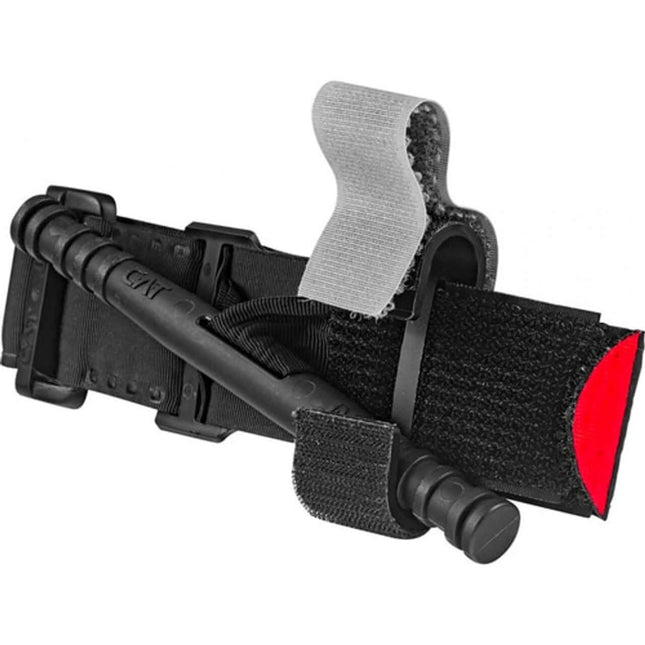
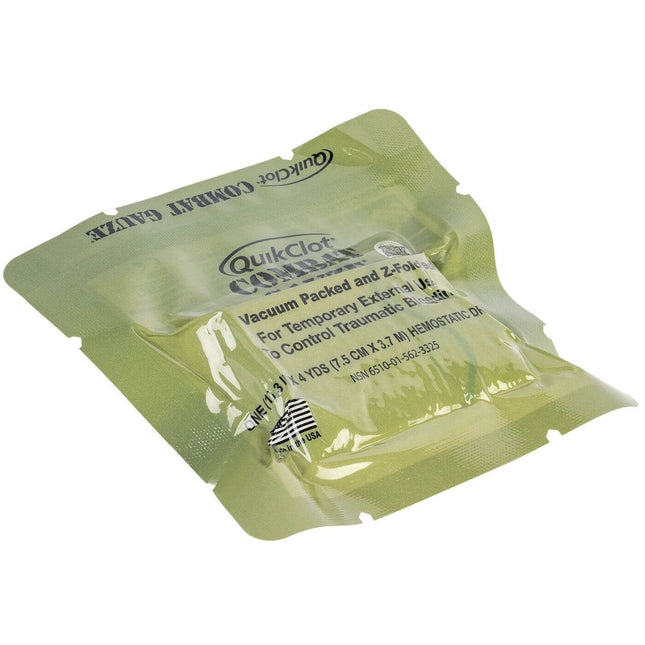
These are the core of any trauma kit and the strongest candidates for reimbursement:
Field Note: Buy Verified Gear
Counterfeit tourniquets and hemostatic gauze are on the market. Your pre-tax dollars should go toward gear that performs when needed. Buy individual components from verified sources and request an itemized receipt — this makes documentation straightforward and protects your reimbursement claim.
Pouches, bags, carabiners, and multi-tools are excluded — accessories or general-use items, not direct medical treatment devices. When buying pre-assembled kits, request an itemized receipt that breaks down each component. The Trauma Kit – Patrol Pro comes with a full component list that supports itemized documentation.
The IRS can review HSA and FSA expenditures for up to three years. Your plan administrator may request proof that purchases were for eligible medical purposes at any time. The documentation you keep determines whether you can defend a claim.
A receipt that reads "Medical Supplies — $150" is not sufficient. You need an itemized receipt that lists each component purchased, the quantity, and the individual cost. For pre-assembled kits, request a detailed invoice that breaks down every component. This lets the administrator verify that you purchased tourniquets, gauze, and chest seals — not a bag with some carabiners.
Save product descriptions from the vendor's website — screenshots or PDFs that show the product name, model number, and a description of its medical purpose. This is particularly relevant for dual-use items like trauma shears or medical tape, where the intended use isn't immediately obvious from the name alone. The documentation shows the primary purpose was medical, as required by IRS Publication 502.
Retain receipts and product documentation for at least three years — aligned with the IRS statute of limitations for audits. Your HSA or FSA administrator may have its own retention requirements; confirm with your plan. Digital copies stored in a dedicated folder are the simplest long-term approach.
Field Note: Call Before You Buy
For larger purchases or borderline items, call your administrator before purchase. If they confirm eligibility over the phone, document the call — date, time, representative's name, and what was discussed. That record may save you a contested reimbursement later.
The structure of HSA and FSA accounts creates specific windows to maximize preparedness purchases. Know the timing rules for your plan and use them.
If your current kit doesn't match your actual exposure — larger household, remote operations, elevated professional risk — targeted additions make sense. More advanced hemostatic options and tourniquet redundancy are common upsizes for elevated-risk environments. The Rapid Response Trauma Kit with Advanced Bleeding Control is built for those scenarios: organized, field-tested, and fully documentable for HSA/FSA reimbursement.
Component-by-component purchasing produces cleaner documentation than pre-assembled kits. Each line item on a receipt has a clear name and medical purpose. There is no ambiguity about what you bought and why it qualifies. Separate receipts for pressure bandages, tourniquets, and hemostatic gauze each stand on their own for eligibility purposes, rather than being grouped under a kit name an administrator may question.
| Category | Eligible Items |
|---|---|
| Bleeding Control | Tourniquets, pressure dressings, hemostatic gauze |
| Wound Care | Gauze pads/rolls, antiseptic wipes, medical tape, sterile pads |
| Tools | Trauma shears, SAM splints, nitrile gloves |
FSAs operate on a use-it-or-lose-it basis for most plans. As year-end approaches, take inventory: what's running low, what has upcoming expiration dates, and what gap in your kit can be addressed with remaining funds. Use that balance to restock and refresh. HSAs roll over without penalty — but stocking up when you've maxed contributions and have excess funds is a straightforward way to improve preparedness without out-of-pocket cost. Browse ViTAC's HSA/FSA-eligible kits for pre-built options with full component listings.
Pre-assembled kits like the Rapid Response Trauma Kit with Advanced Bleeding Control can be purchased with HSA/FSA funds, but the bag or pouch portion is typically excluded. Request an itemized invoice from the seller that breaks down each component's cost and name. This makes reimbursement straightforward and removes ambiguity for the administrator reviewing the claim.
No. Tourniquets, gauze, hemostatic dressings, and bandages are over-the-counter medical items under IRS guidelines. No prescription is required. Retain your itemized receipt as documentation of the purchase's medical purpose.
Both accounts follow the same IRS eligibility rules, so the same items qualify for both. The difference is account management: HSAs roll over year to year, while most FSAs have a use-it-or-lose-it policy at year-end. Eligibility for specific items is the same regardless of account type. Confirm your plan's specific rules, but the eligible item list is IRS-governed and consistent across account types.
A declined transaction does not mean the item is ineligible. Check available balance and billing address first — those are the most common causes. If those aren't the issue, pay with another method and submit a reimbursement claim with your itemized receipt. Some administrators flag uncommon items for manual review, which triggers a card decline at checkout.
Keep an itemized receipt with product names and individual prices. Save product descriptions from the seller's site — screenshots or PDFs that show the item name and a description of its medical purpose. This demonstrates that the primary purpose of the purchase was medical treatment or injury prevention, as required by IRS Publication 502.
At minimum, three years — aligned with the IRS audit window. Your HSA or FSA plan may have its own documentation requirements; check with your administrator. Digital copies are the simplest long-term solution.
Tourniquets, hemostatic gauze, chest seals, and pressure dressings are legitimate HSA and FSA expenses. The test under IRS Publication 502 is whether the item's primary purpose is diagnosis, treatment, mitigation, or prevention of a medical condition. For trauma supplies, the answer is yes. Document every purchase with itemized receipts, verify eligibility with your administrator before buying, and retain records for three years.
Shop HSA/FSA-Eligible Trauma Kits

OSHA minimum workplace kits don't include a tourniquet. Here's how to calculate station count, stock each station, and build bleed control coverage in any public...

One kit at the main entrance fails the 90-second coverage rule for most buildings. Here's how to run a coverage audit and calculate the correct...

Arterial hemorrhage kills in 3 minutes. Urban EMS takes 7–10. Every business needs CoTCCC-standard bleed control kits — here's how to select, deploy, and train...

40+ states mandate bleed control kits in schools — but most deployment plans miss classrooms and buses. Here's the placement standard that actually works.

Most of our trauma kits and first aid supplies qualify for HSA and FSA reimbursement. Don't let your benefits expire — invest them in gear that could save a life.


$124.95


$279.99

$37.49 - $139.46


$299.95 $269.95


$139.95 - $169.95

$49.95


$25.99


$164.95

We've been downrange. We know what it costs to be unprepared. ViTAC was built by U.S. Army Special Operations veterans to make sure the people who run toward the threat — and the families who depend on them — have gear that works when everything is on the line.
— ViTAC Solutions Founders | 40+ years combined Special Operations experience