The Complete Camping First Aid Kit Checklist: What to Pack and Why
11 min reading time
11 min reading time
Most outdoor injuries occur more than 30 minutes from definitive care. The Wilderness Medical Society identifies hemorrhage, airway obstruction, and environmental exposure as the three leading preventable causes of death in outdoor settings. A camping first aid kit that addresses all three is not overprepared — it is correctly configured. This checklist covers what to include, why each item matters, and how to organize a kit that functions under field conditions.
Wound care is the highest-frequency use case for any camping kit. Include adhesive bandages in multiple sizes, sterile gauze pads (4x4 and 2x2), medical tape, antiseptic wipes, and antibiotic ointment for contamination reduction. Wound closure strips extend the range of lacerations that can be managed without evacuation.
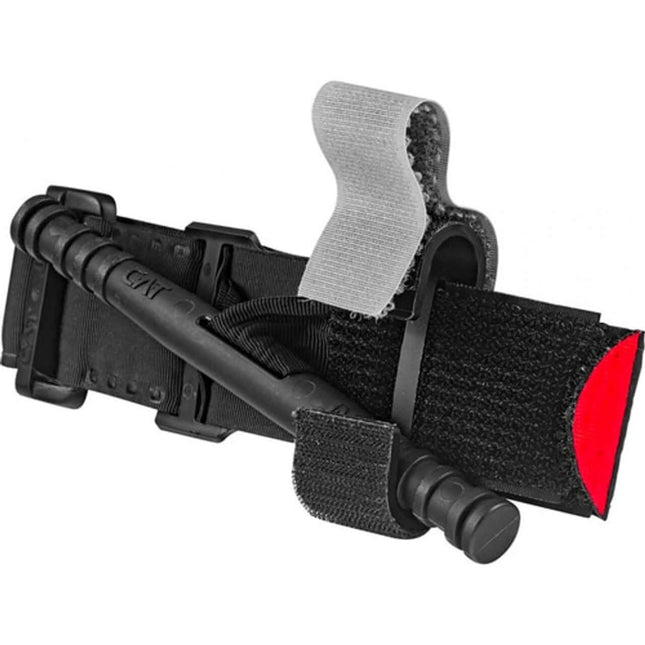
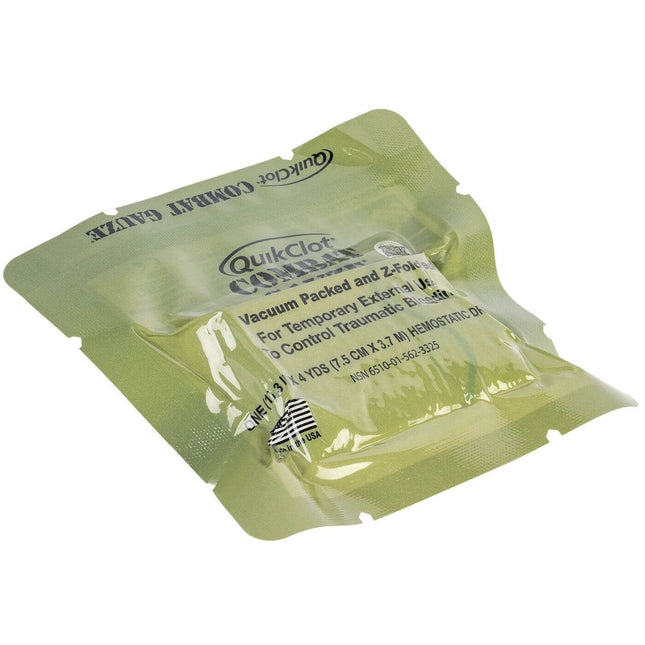
Hemorrhage control is a separate category from wound care and requires dedicated supplies. The CAT GEN 7 | Combat Application Tourniquet is the TCCC standard for life-threatening limb bleeding and should be in every camping kit regardless of trip difficulty. QuikClot Combat Gauze Z-Fold addresses junctional wounds where tourniquet application is not possible. These two items address the injuries most likely to kill before evacuation is complete. For the full trauma response sequence, see the MARCH protocol.
Ibuprofen addresses pain, inflammation, and fever. Acetaminophen provides an alternative for those with contraindications to NSAIDs. Diphenhydramine handles allergic reactions, insect bite responses, and minor histamine reactions. Hydrocortisone cream reduces itch and inflammation from contact reactions. These are high-use items on multi-day trips — pack adequate supply for group size and trip duration.
Stove and fire burns are common in camp environments. Non-adherent burn dressings or burn gel provide appropriate coverage for minor burns without adhering to the wound surface. Moleskin and blister-specific bandages are high-consumption items on hiking trips — include at least twice what you expect to need. Sunscreen is a pre-injury prevention item; sunburn in remote terrain becomes an extended-care problem when re-supply is not available.
An emergency blanket provides critical thermal management for patients in shock or environmental exposure. A digital thermometer monitors fever development in wounds and illness. Trauma shears cut through clothing and gear without risk to the patient. A permanent marker records tourniquet application time, medical notes, and evacuation timing. Nitrile gloves (multiple pairs) are universal — every intervention begins with gloves on.
Field Note: Reference Cards Supplement Training, Not Replace It
A wilderness first aid reference card provides application guidance for less-common scenarios under stress. It is not a substitute for training but is a useful adjunct for anyone who has completed a basic first aid course and needs step-by-step reinforcement under pressure.
Standard OTC medications for a camping kit: ibuprofen and acetaminophen for pain and fever, diphenhydramine for allergic reactions, loperamide for gastrointestinal illness, antacid tablets for indigestion, and oral rehydration salts for dehydration management. Use small labeled containers or pre-packaged doses. Verify expiration dates before every trip.
All prescription medications required by any group member must be present in sufficient quantity for the full trip duration plus a two-day buffer. Do not rely on resupply in remote areas. Pack in original containers where possible. Anyone with a severe allergy history must carry an epinephrine auto-injector. Asthma inhalers belong in the kit, not the tent bag. Anyone with diabetes should carry glucose tablets or gel.
Groups including children require weight-appropriate dosing for pediatric members. High-altitude trips above 8,000 feet should include acetazolamide if any member has a history of altitude sickness, subject to physician guidance. Eye drops for contact lens wearers or dry environments are an appropriate personal addition. Map medications to the actual group composition — not to a generic checklist.
Trauma shears are the standard for field use: blunt-tipped, strong enough to cut through clothing and boot material without skin contact, and available in a size that stores flat in any kit. Small scissors handle tape and gauze. A multi-tool with a blade serves a wider range of utility tasks at camp. Include tweezers for tick removal and splinter extraction — these are used more frequently than most other tools in the kit.
A digital thermometer provides a concrete measurement when assessing fever in wound infections or illness. This single piece of information helps determine whether a patient requires evacuation or monitoring. It is inexpensive, lightweight, and unambiguously useful on extended trips.
Nitrile gloves are non-negotiable — pack a minimum of four pairs for a group of two on a multi-day trip. The kit container must be weather-resistant. Waterproof construction is mandatory for any trip involving water crossing, rain exposure, or condensation environments. The Waterproof Medical Kit w/Tourniquet & Trauma Dressings provides verified waterproof construction with trauma capability included, eliminating the need to waterproof individual components separately.
Field Note: Field Tools Require Field Maintenance
Keep tools clean. Wipe down scissors and tweezers after use. Verify digital thermometer batteries before a multi-day trip. A tool that fails at the point of need because of a dead battery or contaminated blade is not in the kit for practical purposes.
Duration drives supply quantities: longer trips deplete consumables faster and have no resupply option. Terrain drives injury type: alpine environments increase fracture and hypothermia risk; desert environments increase dehydration, heat illness, and burn risk; forested environments increase wound contamination and tick exposure risk. Configure supplies to match the environment, not an average across all environments.
Strenuous activity — extended hiking, climbing, water travel — increases the probability of sprains, strains, and traumatic injury. Add SAM splints and elastic wraps for trips with high fall or impact risk. Add extra antiseptic and wound care supplies for trips in high-contamination environments (mud, water, dense vegetation).
Document all known allergies and medical conditions for the group before departure. Anyone with a severe allergy must carry their own epinephrine auto-injector — the group kit is not a substitute for a personal device. Coordinate prescription medications so that the person who needs them always has access to them, not just the person carrying the kit. Pre-assign medical responsibility within the group so someone knows where the kit is, what is in it, and what to do with it.
A kit is only as capable as the operator. Items like NPAs, vented chest seals, and wound irrigation devices require trained application. Include only items that group members have trained on or can realistically use under stress. Including advanced items that no one in the group knows how to use does not improve capability — it adds confusion. See Hiking First Aid: Essential Tips and Skills for Trail Safety for a baseline skill set aligned with outdoor kit use.
Organize contents by use category: wound care, bleeding control, medications, tools. Keep hemorrhage control items at the top layer or in the most accessible compartment — these are retrieved under stress and require zero search time. Place medications in a labeled, sealed section. Waterproof the entire container, not just individual components. Pre-trip: verify all seals. Post-trip: dry the container before storing.
Label every compartment and every medication container. Use a permanent marker or printed laminated labels. Include dosing information on medication containers. A label that says "Tourniquet — apply 2 in. above wound, tighten until bleeding stops" takes three seconds to read and may be the difference between correct and incorrect application by an untrained group member.
Inspect before every trip. Check expiration dates on medications, hemostatic gauze, and sterile bandages. Confirm packaging integrity on all sealed items. Replace anything used or expired before the next trip. A depleted kit that was not restocked after the last use is the category of failure that produces the worst outcomes — you discover what is missing at the point of need.
Field Note: Log It Before You Pack It
A weatherproof log of kit contents with expiration dates and restock dates takes 15 minutes to create and eliminates the expiration date hunt before every trip. Laminate it and keep it inside the kit lid.
Falls on uneven terrain produce sprains, strains, lacerations, and fractures. Sprains and strains require elastic wrap and rest. Lacerations require wound cleaning, closure, and monitoring for infection over multi-day trips. Fractures require SAM splint immobilization and evacuation planning. Any traumatic injury producing significant bleeding requires the hemorrhage control baseline: tourniquet, hemostatic gauze, pressure dressing.
Sunburn in remote terrain requires non-adherent coverage and limits the patient's ability to continue the trip. Dehydration is prevented with oral rehydration salts when water intake is inadequate. Hypothermia — possible at any temperature when wet — requires removing wet clothing, insulating, and using the emergency blanket while planning evacuation if the patient shows altered mental status. Heat illness requires shade, cooling, and oral hydration for mild cases; evacuation for any patient with altered consciousness.
Tick removal requires tweezers, steady traction, and post-removal monitoring for rash or fever over the following two to three weeks. Insect bites respond to diphenhydramine and hydrocortisone. Severe allergic reactions require epinephrine auto-injector and immediate evacuation. Animal bites require wound irrigation, antiseptic treatment, and evacuation for assessment and possible rabies prophylaxis evaluation.
Most outdoor environments put you more than 30 minutes from definitive medical care. A camping first aid kit provides the tools to address injuries at the point of occurrence — before evacuation is complete. Without it, treatable injuries become life threats when EMS access is delayed by terrain, weather, or distance.
A windlass tourniquet and hemostatic gauze are non-negotiable for hemorrhage control. Adhesive bandages, sterile gauze, antiseptic wipes, and wound closure strips address the high-frequency minor injury category. Pain relievers, antihistamine, and blister supplies handle common environmental issues. Both the trauma baseline and the minor injury supplies are required in a complete camping kit.
Organize by priority: hemorrhage control at the top layer or most accessible compartment, wound care next, medications in a labeled sealed section, tools in a dedicated pocket. Label every compartment. Verify waterproof construction for any trip with water or weather exposure. A kit that cannot be accessed rapidly or whose contents cannot be identified under stress is not organized — it is just packed.
A complete camping first aid kit covers both the high-frequency minor injuries and the low-frequency life threats. Build the hemorrhage control baseline first: tourniquet, hemostatic gauze, pressure dressing. Then add wound care, medications, and trip-specific supplies. Inspect before every trip. Restock after every trip. For a pre-built outdoor kit that covers both first aid and trauma capability in a waterproof package, the Waterproof Medical Kit w/Tourniquet & Trauma Dressings is the recommended starting point.

OSHA minimum workplace kits don't include a tourniquet. Here's how to calculate station count, stock each station, and build bleed control coverage in any public...

One kit at the main entrance fails the 90-second coverage rule for most buildings. Here's how to run a coverage audit and calculate the correct...

Arterial hemorrhage kills in 3 minutes. Urban EMS takes 7–10. Every business needs CoTCCC-standard bleed control kits — here's how to select, deploy, and train...

40+ states mandate bleed control kits in schools — but most deployment plans miss classrooms and buses. Here's the placement standard that actually works.

Most of our trauma kits and first aid supplies qualify for HSA and FSA reimbursement. Don't let your benefits expire — invest them in gear that could save a life.


$124.95


$279.99

$37.49 - $139.46


$299.95 $269.95


$139.95 - $169.95

$49.95


$25.99


$164.95

We've been downrange. We know what it costs to be unprepared. ViTAC was built by U.S. Army Special Operations veterans to make sure the people who run toward the threat — and the families who depend on them — have gear that works when everything is on the line.
— ViTAC Solutions Founders | 40+ years combined Special Operations experience