Overlanding First Aid: What to Carry When EMS Is Hours Away
5 min reading time
5 min reading time
The average rural EMS response time is 14 minutes. In backcountry terrain — canyon trails, remote forest roads, desert two-tracks — that estimate assumes you can make the call and a unit can reach you. Neither is guaranteed. When you're 60 miles from pavement with spotty cell service, the gap between injury and definitive care is measured in hours, not minutes.
That gap is where people die from treatable injuries. MARCH — Massive hemorrhage, Airway, Respiration, Circulation, Hypothermia — defines what kills in the field and in what order. Your overlanding kit exists to address that sequence until higher care is reachable.
An overlanding kit is not a scaled-up vehicle first aid kit. The baseline vehicle kit handles cuts, burns, and minor trauma within EMS range. An overlanding kit addresses hemorrhage, airway compromise, and penetrating trauma in environments where EMS is hours out. Every component should be sourced from traceable supply chains and verified against CoTCCC standards — not retail grab-bags of unknown quality.
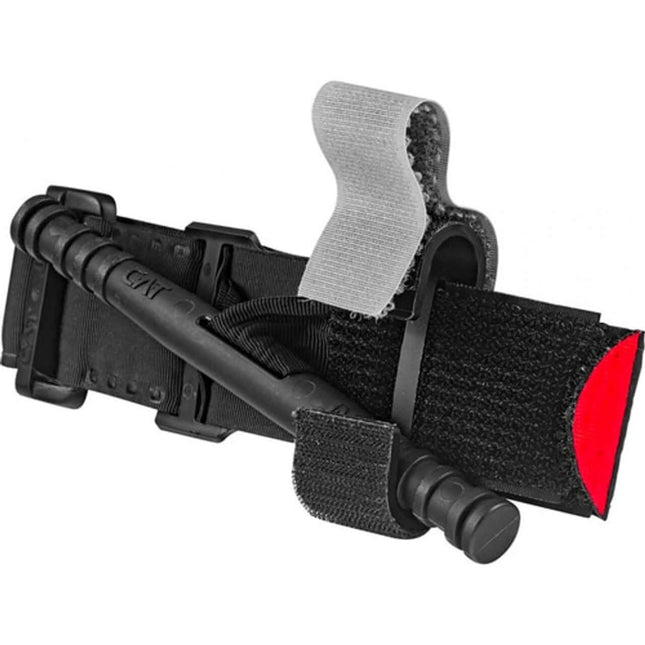
Uncontrolled bleeding accounts for roughly 35–40% of all trauma deaths and is the most common preventable cause of death in the field. Carry two tourniquets minimum per person — one to apply, one as a backup for a second wound or if the first fails under pressure.
A compromised airway kills faster than uncontrolled bleeding. Chest trauma from rollover accidents, falls, or impacts is common in technical terrain. Penetrating chest wounds need sealing within minutes or tension pneumothorax develops.
Field Note: Staging Is Strategy
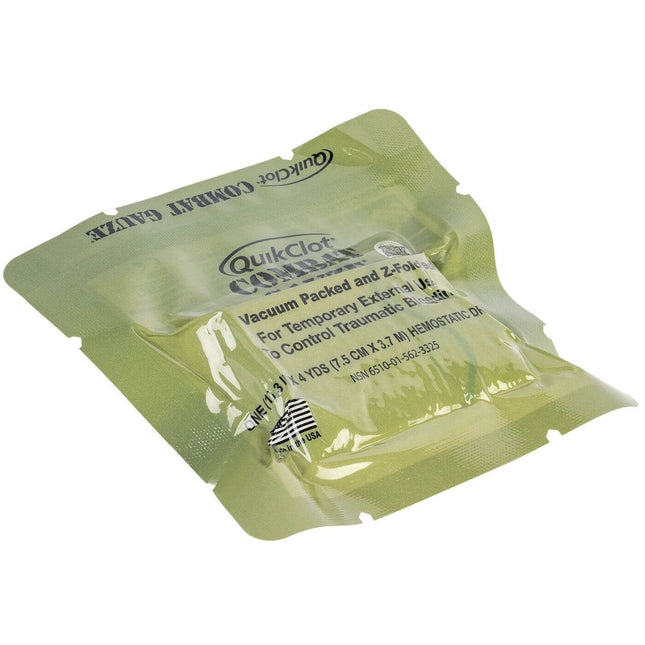
An overlanding kit buried under gear in the cargo area is body recovery equipment, not medical gear. Hemorrhage control items — tourniquet, hemostatic gauze, chest seals — must be staged in the cabin within arm's reach of the driver. A rip-away MOLLE pouch on the B-pillar or driver seat means nothing buried under a recovery kit in the back.
Not every overlanding trip carries the same risk. A well-graded fire road with camp 8 miles from pavement is a different medical environment than a five-day remote run across roadless wilderness. Match your kit to your actual exposure.
| Mission Profile | EMS Reach Estimate | Kit Recommendation |
|---|---|---|
| Day trip, fire roads within 30 min of cell coverage | 30–60 min | Cabin-staged hemorrhage control + basic wound kit |
| Multi-day run, intermittent cell, paved access within 1 hour | 1–3 hours | Adventurer First Aid Kit — trauma tools plus comprehensive wound care, rip-away pouch |
| Remote multi-day, no cell, helicopter LZ uncertain | 3+ hours or unknown | Waterproof Medical Kit — sealed hard case, full trauma component set, rated for water exposure and backcountry submersion |
An overlanding kit manages the immediate life threat. It does not replace training. A tourniquet applied incorrectly or five minutes too late is not a resource. If you are building a serious kit, build the training alongside it. stopthebleed.org lists certified bleeding control courses nationally. Wilderness First Responder is the appropriate certification for extended remote operations.
A vehicle kit handles minor trauma within EMS range. An overlanding kit addresses hemorrhage, airway compromise, and penetrating trauma when definitive care is hours away. The difference is the time gap — and what kills during it.
For technical terrain or water crossings, yes. Standard soft pouches handle dust and brief rain; hard-case waterproof kits protect hemostatic gauze adhesives and airway supplies from humidity and submersion. Match the case to your terrain and exposure profile.
Before every multi-day run and quarterly otherwise. Check tourniquet windlass integrity, verify hemostatic gauze seals, inspect chest seal adhesives, and confirm expiration dates. Vehicle heat degrades adhesives and hemostatic agents faster than most people expect.
Overlanding expands your range and your medical risk simultaneously. Rural EMS response is already measured in minutes — in backcountry terrain it shifts to hours. Building your kit around the MARCH framework and staging it where it can actually be reached are the two variables that determine whether your supplies are useful tools or unused equipment.

OSHA minimum workplace kits don't include a tourniquet. Here's how to calculate station count, stock each station, and build bleed control coverage in any public...

One kit at the main entrance fails the 90-second coverage rule for most buildings. Here's how to run a coverage audit and calculate the correct...

Arterial hemorrhage kills in 3 minutes. Urban EMS takes 7–10. Every business needs CoTCCC-standard bleed control kits — here's how to select, deploy, and train...

40+ states mandate bleed control kits in schools — but most deployment plans miss classrooms and buses. Here's the placement standard that actually works.

Most of our trauma kits and first aid supplies qualify for HSA and FSA reimbursement. Don't let your benefits expire — invest them in gear that could save a life.


$124.95


$279.99

$37.49 - $139.46


$299.95 $269.95


$139.95 - $169.95

$49.95


$25.99


$164.95

We've been downrange. We know what it costs to be unprepared. ViTAC was built by U.S. Army Special Operations veterans to make sure the people who run toward the threat — and the families who depend on them — have gear that works when everything is on the line.
— ViTAC Solutions Founders | 40+ years combined Special Operations experience