How Vehicle Heat Damages First Aid Supplies and What to Inspect
6 min reading time
6 min reading time
Vehicle interiors reach 140°F in summer — enough to degrade hemostatics, tourniquet webbing, and adhesives. Inspect quarterly using this schedule.
Vehicle interiors reach 140°F on a summer dashboard. That heat does not just crack your dash — it degrades the supplies you are counting on when minutes matter. Hemostatic gauze, adhesive dressings, chest seals, and tourniquet webbing all have specific thermal thresholds. Exceed them long enough, and your emergency kit becomes a collection of compromised gear.
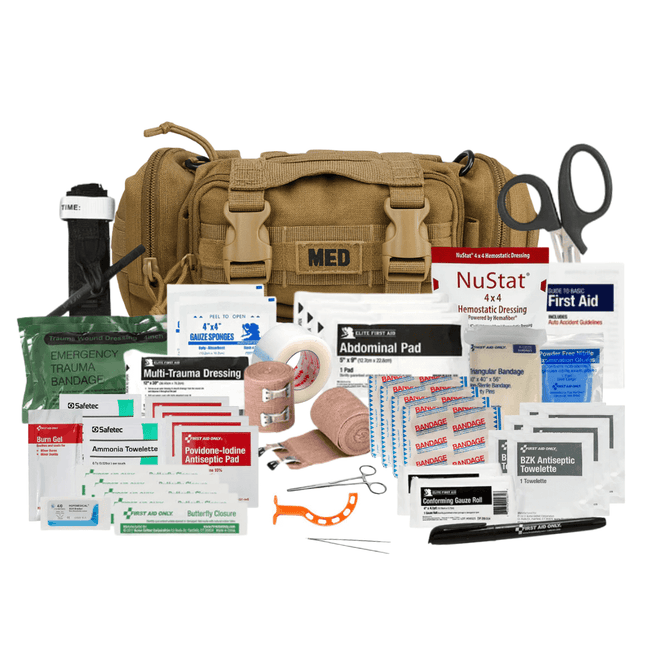
This is a maintenance brief for vehicle medical kits. If you carry a Rip-Away Tactical Trauma Kit or a standard first aid kit in your cab, the inspection intervals below apply to everything inside it.
The failure modes are not cosmetic. Each item category degrades along a predictable path when sustained heat is applied over a vehicle's lifetime.
Hemostatic gauze and sterile dressings. Manufacturer specs assign a 5-year shelf life to hemostatic gauze and chest seals under controlled storage conditions. Sustained heat cycles shorten that window. Packaging seals weaken, allowing moisture intrusion. Once sterile packaging is compromised, the product inside is no longer reliable for wound care.
Tourniquet webbing and plastic components. CAT and SOFTT-W webbing are rated for extended field use, but repeated thermal cycling degrades the nylon and makes windlass plastic brittle. A cracked windlass rod discovered at the moment of application is a mission-critical failure. Store your CAT Gen 7 or SOFTT-W out of direct sun — in a center console pouch or a sealed compartment, not on a dashboard mount.
Adhesive bandages and tape. Adhesive fails under heat. At sustained temperatures above 120°F, acrylic adhesives on bandages and medical tape soften and lose bond strength. A bandage that peels within seconds of application means the kit has been compromised for months without visible indication.
QuikClot Combat Gauze. CoTCCC-recommended since 2008, QuikClot Combat Gauze carries a listed shelf life tied to its packaging integrity. A punctured foil pouch or a seal that has failed from heat stress means the kaolin-based hemostatic agent may be exposed to moisture — reducing clotting efficacy and potentially introducing contamination risk.
Field Note: The Dashboard Myth
Storing a tourniquet on a dashboard mount keeps it accessible but places it at the highest-temperature surface in the vehicle. Dashboard temps routinely exceed 160°F in direct summer sun. Mount your tourniquet on a seatback, console, or door pocket instead — visible and accessible, without the thermal exposure.
Uncontrolled bleeding is the leading cause of preventable death after traumatic injury, per DHS Stop the Bleed data. A kit that fails at the moment it is needed is not a backup — it is a liability. The intervals below are the minimum standard for any vehicle kit.
Replace consumed or deployed items before the vehicle moves again. If the kit was opened for any reason — minor cut, practice application, anything — restock it that day. A partially stocked kit is the default failure mode when actual trauma occurs.
Most of the thermal damage discussed above is preventable through placement. The goal is not climate control — it is avoiding the highest-temperature zones in the vehicle.
| Location | Heat Exposure | Verdict |
|---|---|---|
| Dashboard / top of dash | Highest — 140–165°F+ | Avoid for kit storage |
| Rear cargo / trunk (unshaded) | High — 130–150°F in summer | Avoid without insulated container |
| Glove compartment | Moderate — shaded from direct sun | Acceptable for general first aid |
| Under seat (low-profile kit) | Moderate — away from sun exposure | Good option for compact kits |
| Center console (sealed) | Low to moderate | Preferred for tourniquets |
| Behind seatback (shaded) | Low to moderate | Good option; tourniquet mounts work here |
If you are running a Waterproof Medical Kit w/Tourniquet & Trauma Dressings, the sealed rigid case provides meaningful protection against both heat cycling and moisture intrusion — but placement still matters. Put it in the coolest available location, not wherever it fits.
Most manufacturers assign a 5-year service life from manufacture date under controlled storage. Heat cycling shortens that window. Inspect annually, replace at 5 years regardless of condition — or immediately if the windlass rod cracks or webbing frays.
If the foil packaging is intact and the product is within its expiration date, it should retain efficacy. If the foil has been punctured, delaminated, or compromised in a way that allowed moisture intrusion, treat it as compromised and replace it. The kaolin-based hemostatic agent is stable — packaging integrity is the failure point.
Attempt to put one on. If it tears on your fingers, the nitrile has been compromised by heat. Gloves that feel tacky, excessively stiff, or crumble at the cuff during donning are unserviceable. Replace the entire pack.
A vehicle kit is only useful if its contents perform under pressure. The 140°F thermal environment inside a summer vehicle does not care about manufacturer ratings — sustained heat cycles degrade adhesives, compromise sterile packaging, and embrittle tourniquet components over time. Quarterly inspections and correct placement take less than 20 minutes and are the difference between a functional response kit and a collection of compromised gear.
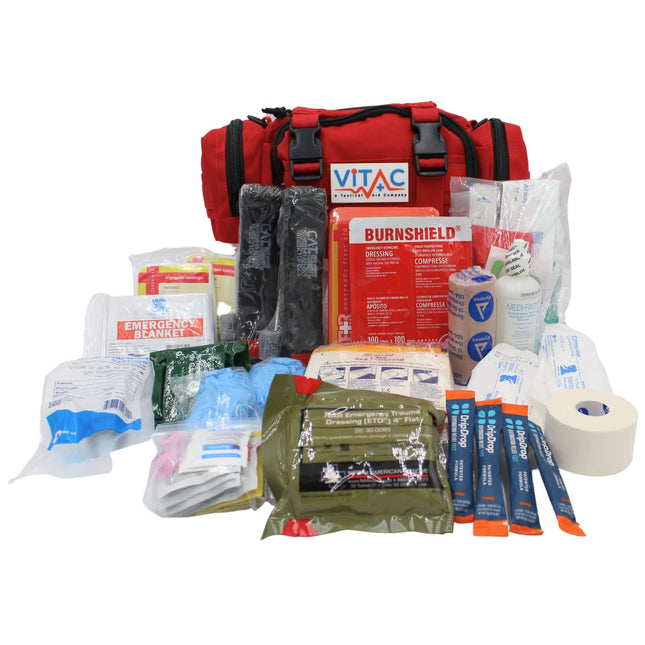
Build your vehicle kit around gear rated for vehicle staging. Browse the ViTAC vehicle-ready kit collection for kits built with sealed packaging, durable components, and CoTCCC-standard supplies. For the full breakdown on vehicle trauma kit components and staging, see Car Trauma Kit Essentials for Bleeding Control.

A standard first aid kit handles cuts and sprains. An IFAK stops arterial bleeding. They are not interchangeable — here is why both belong in...

Arterial bleeding can be fatal in 3–5 minutes — faster than rural EMS. Five component categories, specific product specs, and storage principles for a trauma-capable...

Rural EMS averages 18+ minutes. For truck drivers, the kit in the cab is primary care during that window. Here's how to stock it for...

Limb exsanguination fell from 7–9% of combat deaths in Vietnam to under 2% after CoTCCC adoption. The devices that drove that shift: CAT Gen 7...

Most of our trauma kits and first aid supplies qualify for HSA and FSA reimbursement. Don't let your benefits expire — invest them in gear that could save a life.

$124.95 - $224.73

$279.99


$37.49 - $139.46


$269.97 - $319.97


$139.95 - $169.95


$49.95


$25.99


$164.95

We've been downrange. We know what it costs to be unprepared. ViTAC was built by U.S. Army Special Operations veterans to make sure the people who run toward the threat — and the families who depend on them — have gear that works when everything is on the line.
— ViTAC Solutions Founders | 40+ years combined Special Operations experience