Ultimate Guide to Building a Home Emergency Preparedness Kit shows a couple surveying damaged property after a disaster.

Emergency Preparedness Kit: Guide to Building Home Disaster Supplies

7 min reading time

Ultimate Guide to Building a Home Emergency Preparedness Kit shows a couple surveying damaged property after a disaster.

Emergency Preparedness Kit: Building Comprehensive Home Disaster Supplies

Emergency preparedness kits are the foundation of household safety and self-reliance, providing critical supplies that sustain your family during natural disasters, extended power outages, evacuations, and crisis situations when stores are closed, supply chains are disrupted, and emergency services are overwhelmed. Whether facing hurricanes, earthquakes, wildfires, floods, winter storms, or civil emergencies, having a well-stocked emergency kit means the difference between weathering the crisis safely at home versus facing dangerous shortages of water, food, medical supplies, and essential equipment.

Building an effective emergency preparedness kit isn't about panic buying or hoarding—it's about systematic, thoughtful preparation that addresses your family's specific needs, local risks, and realistic scenarios. The most comprehensive kit in the world is useless if it's not properly maintained, accessible during emergencies, or tailored to your household's unique requirements including children, elderly family members, pets, and medical conditions.

This comprehensive guide provides actionable strategies for building, customizing, and maintaining emergency preparedness kits that protect your family when disaster strikes, from initial risk assessment through ongoing maintenance and skill development that ensures you can actually use your supplies effectively.

Why Emergency Preparedness Kits Matter

Understanding the critical importance of preparedness reveals why kits are essential, not optional:

Emergency Services Are Overwhelmed

During major disasters, first responders focus on life-threatening emergencies. Your family may wait days or weeks for assistance with basic needs like water, food, and medical care.

Supply Chains Collapse Quickly

Stores empty within hours of disaster warnings. Once shelves are bare, restocking may take weeks. Your kit ensures independence from fragile supply systems.

Utilities Fail Unpredictably

Power, water, and gas services can be disrupted for extended periods. Emergency kits provide alternatives for lighting, cooking, heating, and sanitation.

Evacuation Requires Portable Supplies

When evacuation orders come, you may have minutes to leave. Pre-packed kits enable rapid departure with essential supplies.

Peace of Mind Reduces Panic

Knowing you're prepared reduces stress and enables clear thinking during emergencies when panic causes poor decisions.

Step 1: Assess Your Specific Risks

Effective emergency preparedness starts with understanding your threats:

Geographic Hazards

Coastal Areas:

  • Hurricanes and tropical storms
  • Storm surge and flooding
  • Evacuation requirements
  • Extended power outages

Earthquake Zones:

  • Building collapse and structural damage
  • Utility disruptions (gas, water, power)
  • Aftershock dangers
  • Shelter-in-place scenarios

Wildfire-Prone Regions:

  • Rapid evacuation needs
  • Air quality and smoke inhalation
  • Road closures and isolation
  • Extended displacement

Tornado Alley:

  • Severe weather and high winds
  • Shelter requirements
  • Debris and structural damage
  • Communication disruptions

Winter Storm Areas:

  • Extended power outages
  • Heating failures
  • Road closures and isolation
  • Frozen pipes and water loss

Household-Specific Factors

  • Number of family members and ages
  • Medical conditions requiring special supplies
  • Pets requiring food, water, medications
  • Home construction and vulnerabilities
  • Distance from emergency services
  • Urban vs. rural location

Essential Emergency Kit Components

Build comprehensive preparedness across critical categories:

1. Water Supply (Priority #1)

Quantity Requirements:

  • Minimum: 1 gallon per person per day for 3 days
  • Recommended: 1 gallon per person per day for 7-14 days
  • Additional for pets: 1 gallon per large dog per day
  • Extra for cooking, hygiene, and medical needs

Storage Solutions:

  • BPA-free containers in various sizes
  • Commercially bottled water (easiest option)
  • Water storage barrels for long-term supply
  • Rotate every 6 months to maintain freshness

Purification Backup:

  • Water filtration systems (LifeStraw, Sawyer)
  • Purification tablets (iodine, chlorine dioxide)
  • Boiling capability (camp stove, fuel)
  • Bleach for emergency disinfection

2. Non-Perishable Food

3-Day Minimum Supply:

  • Canned goods (vegetables, fruits, proteins)
  • Energy bars and protein bars
  • Peanut butter (protein and calories)
  • Crackers and shelf-stable bread
  • Dried fruits and nuts
  • Instant oatmeal and cereal

Extended Supply Options:

  • Freeze-dried meals (5-25 year shelf life)
  • MREs (Meals Ready to Eat)
  • Rice, pasta, and dried beans
  • Powdered milk and protein powder

Special Dietary Needs:

  • Baby formula and baby food
  • Diabetic-friendly options
  • Allergy-safe alternatives
  • Comfort foods for morale

3. First Aid and Medical Supplies

Comprehensive medical preparedness is critical:

Essential Medical Supplies:

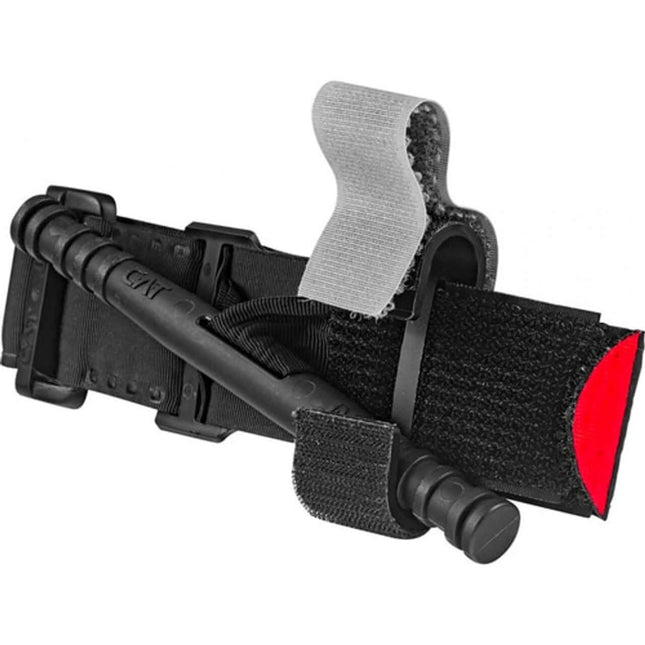
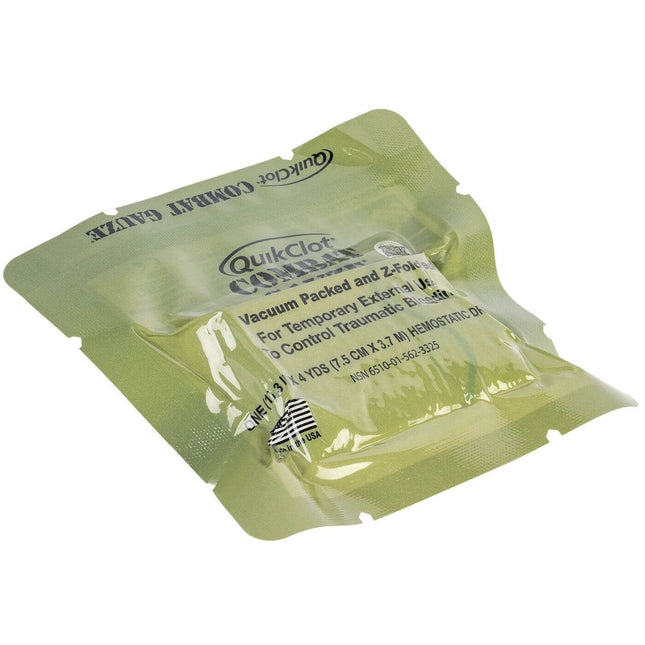
  • Professional-grade first aid kit with trauma supplies
  • Prescription medications (7-30 day supply)
  • Over-the-counter medications (pain relief, antihistamines, anti-diarrheal)
  • Bandages, gauze, and wound dressing supplies
  • Antiseptic wipes and solutions
  • Thermometer
  • Tweezers and scissors
  • Medical gloves

For comprehensive medical preparedness, see our guide on essential first aid training.

4. Emergency Lighting

Multiple Light Sources:

  • LED flashlights (multiple, various sizes)
  • Headlamps (hands-free operation)
  • Lanterns (area lighting)
  • Glow sticks (no batteries, waterproof)
  • Candles and matches (backup option)

Power Solutions:

  • Extra batteries (all required sizes)
  • Solar-powered lights and chargers
  • Hand-crank flashlights and radios
  • Portable power banks for devices

5. Communication and Information

Emergency Communication:

  • Battery-powered or hand-crank NOAA weather radio
  • Two-way radios (FRS/GMRS)
  • Whistle for signaling
  • Cell phone with car charger and portable battery

Important Documents:

  • Copies of identification (driver's licenses, passports)
  • Insurance policies (home, auto, health)
  • Medical records and prescriptions
  • Bank account information
  • Emergency contact list
  • Store in waterproof container

6. Tools and Supplies

Essential Tools:

  • Multi-tool or Swiss Army knife
  • Duct tape (multiple uses)
  • Plastic sheeting and tarps
  • Rope or paracord
  • Work gloves
  • Wrench for shutting off utilities
  • Fire extinguisher

Sanitation Supplies:

  • Toilet paper and paper towels
  • Moist towelettes and hand sanitizer
  • Garbage bags and plastic ties
  • Bucket with tight lid (emergency toilet)
  • Feminine hygiene products
  • Personal hygiene items

7. Clothing and Bedding

  • Change of clothing for each person
  • Sturdy shoes or boots
  • Rain gear and warm layers
  • Sleeping bags or emergency blankets
  • Hats and gloves for cold weather

8. Special Items

For Infants:

  • Formula, bottles, diapers
  • Baby food and utensils
  • Comfort items (pacifiers, toys)

For Pets:

  • Food and water (3-7 day supply)
  • Medications and medical records
  • Leash, carrier, and ID tags
  • Waste bags and litter

For comprehensive pet planning, see our guide on pet emergency preparedness.

For Elderly or Disabled:

  • Extra medications and medical equipment
  • Mobility aids and batteries
  • List of medical devices and serial numbers
  • Communication aids

Budget-Friendly Building Strategies

Build comprehensive kits without breaking the bank:

Gradual Acquisition

  • Start with water and food (most critical)
  • Add one category per paycheck
  • Buy sale items and use coupons
  • Purchase in bulk when possible
  • Set monthly preparedness budget

Smart Shopping

  • Compare prices across stores
  • Buy generic brands for basics
  • Watch for clearance sales
  • Use cashback and rewards programs
  • Split bulk purchases with neighbors

Prioritize Multipurpose Items

  • Duct tape (repairs, first aid, shelter)
  • Plastic sheeting (shelter, water collection, sanitation)
  • Paracord (shelter, repairs, first aid)
  • Bleach (water purification, sanitation)

Storage and Organization

Proper storage ensures accessibility and preservation:

Container Selection

  • Waterproof bins with tight-fitting lids
  • Portable containers for evacuation
  • Clear bins for easy inventory
  • Wheeled containers for heavy supplies

Storage Locations

  • Home kit: Easily accessible location (not attic or basement)
  • Vehicle kit: Trunk or cargo area
  • Work kit: Desk or locker
  • Evacuation kit: Near exit door

Organization Tips

  • Label all containers clearly
  • Group items by category
  • Keep inventory list inside each kit
  • Mark expiration dates prominently
  • Store frequently rotated items accessibly

Maintenance and Updates

Regular maintenance keeps kits effective:

Quarterly Checks

  • Inspect all containers for damage
  • Test flashlights and radios
  • Check battery expiration dates
  • Verify medications haven't expired

Semi-Annual Updates

  • Rotate water supply
  • Replace expired food items
  • Update clothing sizes for growing children
  • Refresh documents and contact information
  • Review and update emergency plans

Annual Review

  • Complete inventory assessment
  • Replace all expired items
  • Update for changed family needs
  • Practice using equipment
  • Conduct family emergency drills

Integration with Family Preparedness

Kits are part of comprehensive family emergency planning:

  • Ensure all family members know kit locations
  • Teach children how to use basic supplies
  • Practice evacuation with kits
  • Coordinate with community preparedness efforts
  • Share knowledge with neighbors

ViTAC Solutions: Professional-Grade Emergency Supplies

At ViTAC Solutions, we provide professional-grade first aid kits and emergency medical supplies that form the medical foundation of comprehensive emergency preparedness kits.

Curated by U.S. Army Green Berets with real-world emergency experience, our kits contain the trauma supplies and medical equipment your family needs when disaster strikes and professional help isn't available.

Explore our complete line of emergency preparedness supplies at www.ViTACsolutions.com.


ViTAC Solutions – Professional-grade emergency equipment built by veterans, trusted by families who refuse to be unprepared. Because emergency preparedness kits aren't about panic—they're about the peace of mind that comes from knowing your family is protected when disaster strikes.

Tags


You May Also Like...

  • man in red and black shirt and brown pants with black backpack

    The Difference Between a First Aid Kit and a Trauma Kit (And Why You Need Both)

    A first aid kit handles paper cuts. A trauma kit handles arterial bleeds. The gap between them is measured in lives. Here's the real distinction...

  • Buying IFAK trauma kits: tactical camouflage pouch for medical supplies

    Buying IFAK trauma kits: The Real Risks Revealed

    Are you making the right choice when buying IFAK trauma kits? This post highlights the crucial differences between budget and quality options, focusing on components...

  • A person applying a bandage with a first aid kit nearby, relevant for buying a first aid kit.

    5 Things You Need to Know Before You Buy a First Aid Kit

    Before buying a first aid kit, ensure it suits your specific needs, contains essential trauma supplies, and is backed by reliable support. Discover key factors...

  • Car Trauma Kit Essentials for bleeding control in a roadside emergency with a responder applying a tourniquet.

    Car Trauma Kit Essentials for Bleeding Control

    Discover essential items every Car Trauma Kit Essentials should include to effectively control severe bleeding after an accident. Learn the importance of training and how...

Trusted by Law Enforcement & Tactical Professionals

<h2>Our Mission.</h2>

Our Mission.

We've been downrange. We know what it costs to be unprepared. ViTAC was built by U.S. Army Special Operations veterans to make sure the people who run toward the threat — and the families who depend on them — have gear that works when everything is on the line.

— ViTAC Solutions Founders | 40+ years combined Special Operations experience

<h2>Your pre-tax dollars can fund your preparedness.</h2>

Your pre-tax dollars can fund your preparedness.

Most of our trauma kits and first aid supplies qualify for HSA and FSA reimbursement. Don't let your benefits expire — invest them in gear that could save a life.

Not sure which kit is right for your mission?

What are you preparing for? On-duty response, family preparedness, outdoor adventure... Answer 5 quick questions and we'll match you with the right gear.

Footer image

© 2026 ViTAC Solutions, Powered by Shopify

    • Amazon
    • American Express
    • Apple Pay
    • Diners Club
    • Discover
    • Google Pay
    • Mastercard
    • PayPal
    • Shop Pay
    • Visa

    Login

    Forgot your password?

    Don't have an account yet?
    Create account