Hiking First Aid: Essential Tips and Skills for Trail Safety and Emergency Response
8 min reading time
8 min reading time
Hiking first aid skills are among the most important tools you can carry on the trail. While hiking offers incredible opportunities to experience nature and stay active, even the most scenic trails present unexpected risks. From twisted ankles and lacerations to heat exhaustion and wildlife encounters, being prepared with proper first aid knowledge and equipment can mean the difference between a minor inconvenience and a life-threatening emergency when you're miles from professional medical help.
Whether you're exploring local trails, tackling challenging mountain terrain, or embarking on multi-day backpacking trips, understanding hiking first aid fundamentals ensures you can respond effectively when injuries occur. This comprehensive guide covers essential first aid skills, proper kit configuration, common trail injuries, and emergency response protocols every outdoor enthusiast should master.
Your preparedness today could save a life tomorrow—including your own.
The backcountry presents unique challenges that make first aid knowledge essential:
On remote trails, emergency medical services may be hours away. Your ability to provide immediate care during this critical window can prevent minor injuries from becoming serious complications.
Weather conditions, terrain challenges, and wildlife encounters create injury scenarios you won't face in urban settings. Specialized knowledge helps you respond appropriately.
Unlike hospitals with unlimited supplies, you must work with what's in your pack. Knowing how to improvise and prioritize treatments is crucial.
You may be the only person available to provide care—either for yourself or others. Confidence in your skills enables effective response under pressure.
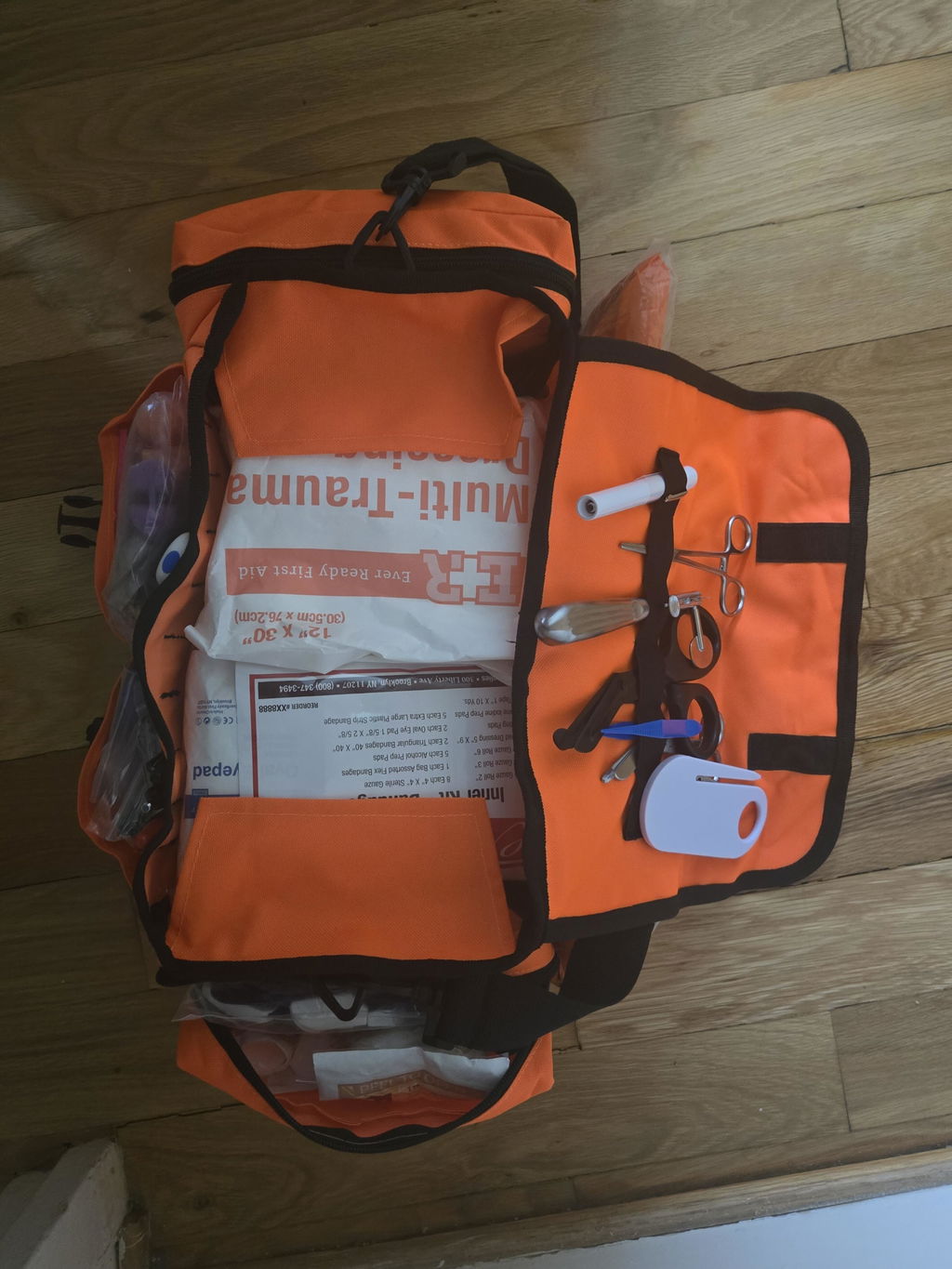
Your first aid kit is your lifeline in the backcountry. Don't settle for generic drugstore kits—build or select a kit that matches your environment, activity level, and group size.
Wound Care Supplies
Blister Prevention and Treatment
Blisters are the most common hiking injury. Learn proper blister prevention and treatment techniques before they sideline your adventure.
Medications
Tools and Instruments
Emergency and Safety Items
Environmental Protection
Personal Protective Equipment
Consider investing in a professionally curated hiking first aid kit designed specifically for outdoor adventures.
Equipment is only half the equation—knowing how to use it effectively is what saves lives. Every hiker should master these fundamental first aid skills:
Direct Pressure
Apply firm, continuous pressure directly to the wound using gauze or clean cloth. Maintain pressure for at least 5-10 minutes without peeking.
Elevation
Raise the injured area above heart level when possible to reduce blood flow to the wound.
Pressure Points
If direct pressure fails, apply pressure to arterial pressure points between the wound and heart.
Severe Bleeding
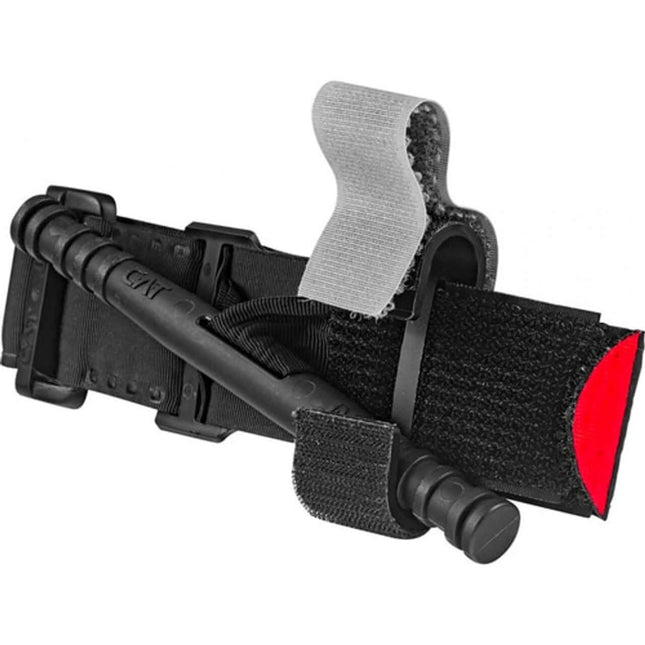
For life-threatening hemorrhage from limbs, know how to properly apply a tourniquet.
Cleaning Protocol:
RICE Protocol:
Immobilization:
Splint suspected fractures using trekking poles, sticks, or improvised materials. Immobilize joints above and below the injury.
Heat Exhaustion Signs:
Treatment:
Heat Stroke (Medical Emergency):
Heat stroke requires immediate evacuation and aggressive cooling.
Early Warning Signs:
Treatment:
Cardiac arrest can occur on trails from various causes. Knowing CPR can save lives:
Prevention: Proper-fitting boots, moisture-wicking socks, address hot spots immediately
Treatment: Clean area, apply blister pad, avoid popping unless necessary
Prevention: Watch footing, use trekking poles, strengthen ankles
Treatment: RICE protocol, immobilize if severe, consider evacuation
Prevention: Careful knife handling, watch for sharp rocks and branches
Treatment: Control bleeding, clean thoroughly, close with strips if appropriate, monitor for infection
Prevention: Use repellent, wear protective clothing, avoid nests
Treatment: Remove stinger if present, clean area, apply cold compress, take antihistamine, watch for allergic reactions
Prevention: Watch where you step and reach, wear boots, stay on trails
Treatment: Keep calm, immobilize limb, remove jewelry, seek immediate evacuation, do NOT apply tourniquet or ice
Reading about first aid is valuable, but hands-on training is essential for building confidence and competence.
Wilderness First Aid (WFA)
16-hour course covering basic wilderness medical skills. Ideal for day hikers and weekend backpackers.
Wilderness First Responder (WFR)
80-hour comprehensive course for serious backcountry travelers, guides, and expedition leaders.
Wilderness EMT (WEMT)
Advanced certification combining EMT training with wilderness medicine protocols.
When serious injuries occur, follow this systematic approach:
Determine if self-evacuation is possible or if rescue is needed. Call for help using:
The best hiking first aid is the treatment you never have to provide. Prevent injuries through:
At ViTAC Solutions, we provide expertly curated first aid kits designed specifically for outdoor enthusiasts. Built by U.S. Army Green Berets who understand real-world emergencies, our kits contain professional-grade supplies for serious adventurers.
Whether you're day hiking, thru-hiking, or exploring off-grid wilderness, we equip you with the tools to stay safe and respond confidently when emergencies occur.
Explore our trail-ready kits and gear at www.ViTACsolutions.com
You can't prevent every accident on the trail, but you can control how prepared you are to handle one. With proper hiking first aid knowledge, a quality first aid kit, and regular skills practice, you'll be ready to respond effectively when injuries occur.
The confidence that comes from preparedness allows you to fully enjoy your outdoor adventures, knowing you can handle whatever challenges the trail presents.
Train. Prepare. Adventure with confidence.
ViTAC Solutions – Professional-grade outdoor medical equipment built by veterans, trusted by adventurers. Because proper hiking first aid knowledge and quality gear can save lives on the trail.

OSHA minimum workplace kits don't include a tourniquet. Here's how to calculate station count, stock each station, and build bleed control coverage in any public...

One kit at the main entrance fails the 90-second coverage rule for most buildings. Here's how to run a coverage audit and calculate the correct...

Arterial hemorrhage kills in 3 minutes. Urban EMS takes 7–10. Every business needs CoTCCC-standard bleed control kits — here's how to select, deploy, and train...

40+ states mandate bleed control kits in schools — but most deployment plans miss classrooms and buses. Here's the placement standard that actually works.

Most of our trauma kits and first aid supplies qualify for HSA and FSA reimbursement. Don't let your benefits expire — invest them in gear that could save a life.


$124.95 - $224.73


$279.99

$37.49 - $139.46


$269.97 - $319.97

$49.95


$139.95 - $169.95


$25.99


$164.95

We've been downrange. We know what it costs to be unprepared. ViTAC was built by U.S. Army Special Operations veterans to make sure the people who run toward the threat — and the families who depend on them — have gear that works when everything is on the line.
— ViTAC Solutions Founders | 40+ years combined Special Operations experience