

Tactical Medical Kits | Mission-Ready Trauma Gear
Bleeding-control essentials organized for fast, confident action
Bleeding-control essentials organized for fast, confident action



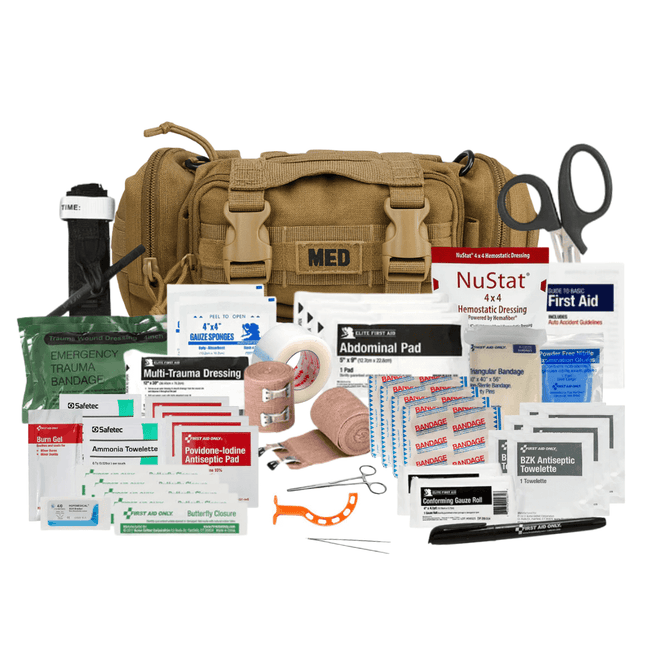

Keep essential trauma tools organized and ready so you can respond faster, stay calmer, and act with more confidence when serious injuries happen.
$124.95 - $224.73


A trauma backpack built to keep advanced bleeding-control and airway tools organized so you can respond faster and with more confidence in high-stress emergencies.
$269.97 - $319.97


Keep your core first aid and bleeding-control tools organized in one compact kit so you can respond faster and with more confidence at the range, in the vehicle, outdoors, or at home.
$169.95


TCCC-compliant IFAK built by Army Special Forces veterans. CAT® tourniquet, QuikClot® combat gauze, HyFin® chest seals, and NPA — organized for speed in the field.
$198.95


Keep essential bleeding-control and trauma tools organized in one compact IFAK so you can respond faster and with more confidence when serious injuries happen.
$129.95


The MediTac Bleeding Control Pack – Intermediate delivers professional bleeding and airway control capability in a compact, vacuum-sealed design built for real emergencies.
$89.95 - $99.95


$229.95


The M-FAK Mini First Aid Kit delivers maximum trauma capability in minimum space—proven tools, rapid access, and zero compromise when lives are on the line.
$101.99 - $173.99


The TORK® – Advanced delivers elite-level trauma response in a compact, field-ready design—trusted by operators who refuse to compromise on readiness.
$219.19 - $227.99


NAR®-built dual-purpose IFAK carrying tools for both the handler and K9. C-A-T® tourniquet, HyFin® vent chest seals, NAR® gauze & digital vet thermometer — one kit, two patients.
$143.49 - $228.99


The Recon IFAK combines rapid rip-away access with professional-grade trauma tools—built for operators who demand speed, precision, and reliability under pressure.
$99.95


C-A-T® tourniquet, Hemostatic Gauze, ETD™ & HyFin® Vent Chest Seal — 34-item first-line IFAK in a 2 lb MOLLE pouch. On your belt, one-hand deployment.
$144.97 - $164.99


The Patrol Pro Trauma Kit delivers rapid-access, field-tested medical capability in a compact, mission-ready design—built for those who respond first when every second counts.
$181.95


Compact, capable, and combat-proven—the ViTAC Enhanced IFAK equips you to control bleeding, manage airways, and stabilize trauma when every second counts.
$164.95

The STOMP Medical Kit – Contents Only delivers the complete 329-piece professional trauma loadout—ready to restock, rebuild, or customize your medical system without the bag.
$399.95


The Patrol Vehicle Trauma Kit w/ Combat Gauze delivers dual-compartment, patrol-ready trauma capability—fast, organized, and built for real-world response.
$327.39


The Patrol Trauma Kit delivers rapid, one-motion access to essential bleeding control tools—compact, tactical, and trusted when seconds count.
$84.95


The Mini Medic Kit delivers full-scale trauma capability in a compact, modular design—engineered for professionals who demand adaptability, speed, and precision under pressure.
$923.49 $899.97


The EODMK delivers elite-level trauma capability for explosive ordnance professionals—modular, field-proven, and built to perform in the world’s most dangerous environments.
$2,449.99


$4,209.99


The K-9 Mini Medic Kit delivers professional-grade trauma and canine medical capability in one compact, modular system—because every mission deserves a partner’s protection.
$769.99


The Solo IFAK is a professional-grade, personal trauma kit—compact, capable, and ready to save a life when you’re the only responder.
$220.59


The Range Trauma Aid Kit – Hard Case delivers professional-grade trauma capability in a rugged, watertight design—ready for any range emergency.
$665.29





Most of our trauma kits and first aid supplies qualify for HSA and FSA reimbursement. Don't let your benefits expire — invest them in gear that could save a life.
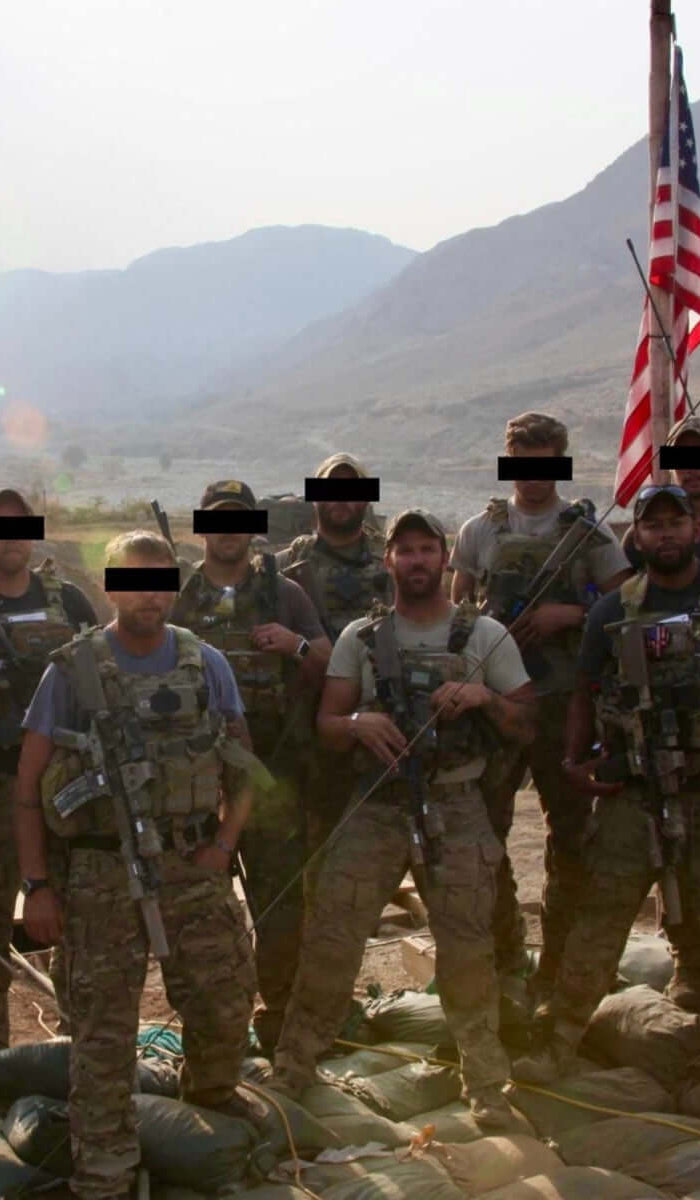
We've been downrange. We know what it costs to be unprepared. ViTAC was built by U.S. Army Special Operations veterans to make sure the people who run toward the threat — and the families who depend on them — have gear that works when everything is on the line.
— ViTAC Solutions Founders | 40+ years combined Special Operations experience




Tactical medical kits are purpose-built trauma response systems that organize life-saving medical supplies for immediate use during emergencies involving severe bleeding, penetrating injuries, or multi-casualty incidents. Unlike general first aid kits focused on minor cuts and sprains, tactical medical kits contain duty-grade components—windlass tourniquets, hemostatic gauze, occlusive chest seals, pressure bandages, airway adjuncts, and trauma shears—arranged for intuitive access when fine motor skills degrade under stress.
These kits serve first responders, law enforcement officers, range safety officers, wildland firefighters, search-and-rescue teams, and prepared citizens who need professional-grade trauma care capability at the point of injury. Whether mounted on plate carriers, stowed in patrol vehicles, staged at shooting ranges, or packed for backcountry expeditions, tactical medical kits bridge the gap between injury and advanced medical care.
Selecting the right kit depends on your mission profile, team size, mounting requirements, and skill level. Consider these six criteria:
1. Mission Environment – Compact IFAKs suit personal carry on duty belts or plate carriers; vehicle trauma kits handle patrol car or UTV deployment; backpack systems support team medics or multi-casualty response in remote areas.
2. Casualty Load – Individual kits treat one patient; mass casualty packs contain supplies for 2–4+ casualties with multiple tourniquets, gauze, and chest seals.
3. Mounting & Access – MOLLE-compatible pouches attach to tactical gear; rip-away designs enable rapid handoff to medics; hard cases protect contents in vehicle trunks or range bays.
4. Component Depth – Basic kits focus on hemorrhage control (tourniquet, gauze, bandage); advanced kits add chest seals, airway tools, and decompression needles; professional-level systems include burn care, fracture stabilization, and expanded airway management.
5. Training Alignment – Match kit contents to your team's training level—TCCC-compliant configurations align with Tactical Combat Casualty Care protocols; civilian kits may emphasize Stop the Bleed fundamentals.
6. Sustainment & Refills – Look for kits with available refill bundles to rotate expiring supplies and maintain readiness without replacing the entire pouch or pack.
Ideal for: Law enforcement officers, military personnel, armed security professionals, range safety officers, wildland firefighters, search-and-rescue teams, EMS providers, workplace safety coordinators, and trained civilians committed to trauma readiness and ongoing skills practice.
Not ideal for: Those seeking basic household first aid (bandages, antiseptic, pain relievers) or individuals without trauma response training—these kits assume familiarity with tourniquet application, wound packing, and casualty assessment. Professional training is strongly recommended before deploying tactical medical gear in real-world scenarios.
Severe bleeding from traumatic injury can lead to death within minutes. Tactical medical kits position proven interventions—tourniquets, hemostatic agents, pressure dressings—at the point of injury, enabling bystanders or first responders to control life-threatening hemorrhage before EMS arrival. Organized compartments, glove-friendly pulls, and clearly labeled supplies reduce cognitive load during high-stress events, helping responders execute critical skills when seconds determine outcomes.
From urban patrol responses and active-threat incidents to backcountry accidents and natural disaster deployments, tactical medical kits provide a standardized, field-tested approach to trauma care that performs across climates, terrains, and mission sets nationwide.
Building a complete trauma response capability? Consider these complementary products and resources:
Browse the full collection of tactical medical kits to find the configuration that matches your mission, team size, and mounting requirements. Every kit is built with duty-grade components, veteran-tested design, and a focus on rapid access when it matters most.
Q: What's the difference between an IFAK and a general trauma kit?
An IFAK (Individual First Aid Kit) is designed for personal carry and typically treats one casualty with focus on hemorrhage control. General trauma kits may be larger, vehicle-mounted, or configured for multiple casualties with expanded supplies like burn care, fracture stabilization, and airway management.
Q: Do I need special training to use a tactical medical kit?
Yes. While the kits are organized for intuitive access, effective use requires training in tourniquet application, wound packing, chest seal placement, and casualty assessment. We strongly recommend Stop the Bleed, TCCC, or equivalent trauma response courses before deploying these kits.
Q: How do I know which kit size is right for my vehicle or gear setup?
Check each product page for dimensions, weight, and mounting options. Compact IFAKs (5"×7") fit duty belts and plate carriers; mid-size pouches (7"×9") suit vehicle headrests or range bags; backpack systems handle team medic or mass casualty roles with expanded capacity.
Q: What does TCCC-compliant mean?
TCCC (Tactical Combat Casualty Care) is a military-derived trauma care protocol emphasizing hemorrhage control, airway management, and casualty evacuation. TCCC-compliant kits contain components and configurations aligned with these evidence-based guidelines, widely adopted by law enforcement and civilian tactical teams.
Q: How often should I inspect and rotate kit contents?
Inspect kits quarterly for damage, moisture, or missing items. Rotate hemostatic gauze, chest seals, and gloves every 3–5 years based on manufacturer expiration dates. Use training tourniquets for drills to preserve operational tourniquets for real-world use.
Q: Can I customize or refill these kits?
Many kits accept additional supplies or can be refilled using trauma refill bundles available separately. Check product pages for compatible refill packs or contact us for bulk or agency-specific configurations.
Q: What's included in a basic bleeding control kit vs. an advanced trauma kit?
Basic kits focus on hemorrhage control: tourniquet, hemostatic gauze, pressure bandage, gloves, and trauma shears. Advanced kits add chest seals, nasopharyngeal airways, decompression needles, burn dressings, and expanded gauze for multiple wounds or casualties.
Q: Do these kits work in extreme weather or rugged environments?
Yes. Kits are built with water-resistant materials, reinforced stitching, and components rated for temperature extremes. They're field-tested across desert heat, alpine cold, humid coastal zones, and dusty operational environments nationwide.