The Golden Hour: What to Do in the First Minutes After Trauma
3 min reading time
The "Golden Hour" is the critical window—typically 60 minutes or less—between the moment a traumatic injury occurs and when definitive medical care begins.
During this period, the actions you take can mean the difference between life and death.
Seconds count, and the right response in those first minutes can stabilize a victim until professional help arrives.
What the Golden Hour Means
In trauma medicine, the Golden Hour isn't always exactly 60 minutes—it's a concept that emphasizes the urgency of early intervention.
Severe bleeding, airway obstruction, and shock can kill in minutes, not hours.
The faster you control life-threatening injuries, the better the victim's chances of survival.
This principle applies whether you're in the backcountry, at a job site, or responding to a vehicle accident.
The First Minutes: Your Priorities
When trauma happens, your first job is to stay calm and act fast.
Call 911 immediately—or have someone else make the call while you begin care. Your top priority is controlling severe bleeding.
Uncontrolled hemorrhage is the leading cause of preventable death in trauma situations.
Apply direct pressure, use a tourniquet if needed, and don't waste time searching for supplies.
Every second of delay increases blood loss and reduces the victim's chance of survival.
What a Trauma Kit Helps You Do
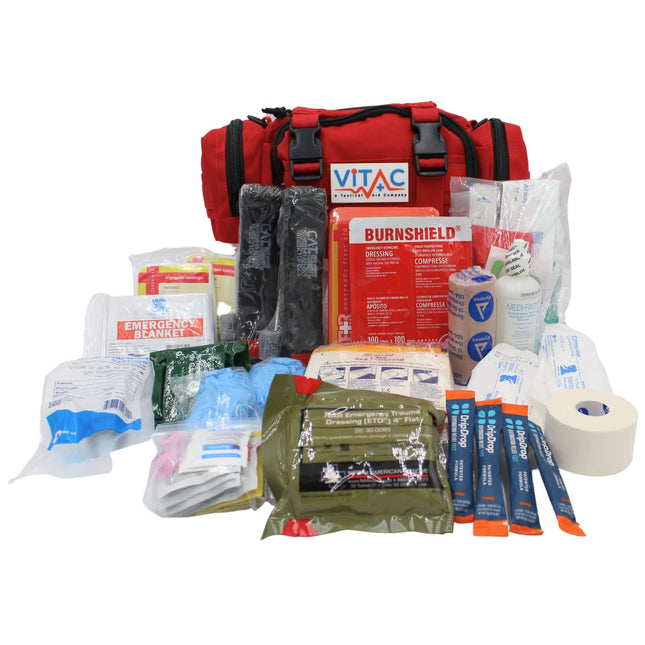
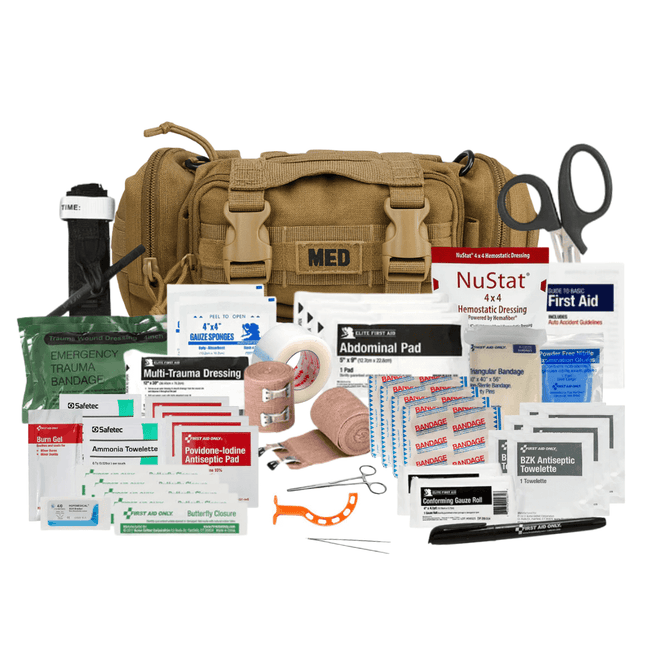
A well-stocked trauma kit gives you the tools to act decisively: tourniquets to stop extremity bleeding, hemostatic gauze to pack wounds, chest seals for penetrating injuries, and pressure bandages for everything else.
It won't replace medical training, but it puts proven, field-tested gear in your hands when it matters most.
Quality equipment is reliable under stress—cheap substitutes are not. [Link: ViTAC Trauma Kits]
Common Delays That Cost Time
Panic is the first enemy. Freezing, second-guessing, or waiting for "someone else" to help wastes precious seconds.
Searching for supplies you don't have pre-staged is another killer—if your trauma kit is buried in a closet or your vehicle, it's useless.
The third delay is lack of a plan. Without training or mental rehearsal, even simple interventions take longer and feel overwhelming.
Preparedness eliminates hesitation.
5-Step "Do This Now" Checklist
Call 911 or send someone to call. Get help coming while you work.
Control severe bleeding immediately. Direct pressure or tourniquet—don't wait.
Check airway and breathing. Clear obstructions, position the victim to breathe.
Treat for shock. Keep the victim warm, calm, and lying down if possible.
Monitor and reassure until help arrives. Stay with the victim and keep pressure on wounds.
Disclaimer: This content is for informational purposes only and does not constitute medical advice. Seek professional training in bleeding control and trauma response. Always call 911 in an emergency.
Frequently Asked Questions
What is the Golden Hour in trauma care?
The Golden Hour is the critical first 60 minutes (or less) after a traumatic injury when immediate intervention has the greatest impact on survival. It's not always exactly one hour—it's a reminder that time is life.
What should I do first in a trauma situation?
Call 911, then immediately control severe bleeding. Uncontrolled hemorrhage kills faster than almost any other injury. Apply direct pressure or use a tourniquet if bleeding is from an extremity.
Do I need training to use a trauma kit?
Yes. While trauma kits provide the right tools, training teaches you when and how to use them correctly. Consider taking a Stop the Bleed or wilderness first aid course. [Link: ViTAC Training]
Can a civilian really make a difference in a trauma emergency?
Absolutely. Bystanders trained in bleeding control have saved countless lives. With the right gear and knowledge, you can stabilize a victim until paramedics arrive—and that can be the difference between life and death.
What's the most important item in a trauma kit?
A tourniquet. Extremity hemorrhage is common and deadly, and a quality tourniquet (like a CAT or SOFTT-W) can stop it in seconds. Pair it with hemostatic gauze and chest seals for a well-rounded kit.
Bottom line: Seconds count. The Golden Hour isn't about perfection—it's about action. Quality gear and solid training give you the confidence to act when it matters most.
In Stock. Ready to Ship.
Domestic Shipping (USA - Lower 48 Only) Orders are processed within 24 hours and typically ship within 1–2 business days. Once shipped, delivery takes an estimated 3–7 days, with most orders arriving in just 5 days. Please Note: We currently do not ship to Alaska, Hawaii, or international destinations. Questions? Contact us anytime at support@vitacsolutions.com or call 307-202-8426.
In Stock. Ready to Ship.
Domestic Shipping (USA - Lower 48 Only) Orders are processed within 24 hours and typically ship within 1–2 business days. Once shipped, delivery takes an estimated 3–7 days, with most orders arriving in just 5 days. Please Note: We currently do not ship to Alaska, Hawaii, or international destinations. Questions? Contact us anytime at support@vitacsolutions.com or call 307-202-8426.
In Stock. Ready to Ship.
Domestic Shipping (USA - Lower 48 Only) Orders are processed within 24 hours and typically ship within 1–2 business days. Once shipped, delivery takes an estimated 3–7 days, with most orders arriving in just 5 days. Please Note: We currently do not ship to Alaska, Hawaii, or international destinations. Questions? Contact us anytime at support@vitacsolutions.com or call 307-202-8426.
In Stock. Ready to Ship.
Domestic Shipping (USA - Lower 48 Only) Orders are processed within 24 hours and typically ship within 1–2 business days. Once shipped, delivery takes an estimated 3–7 days, with most orders arriving in just 5 days. Please Note: We currently do not ship to Alaska, Hawaii, or international destinations. Questions? Contact us anytime at support@vitacsolutions.com or call 307-202-8426.
Are you making the right choice when buying IFAK trauma kits? This post highlights the crucial differences between budget and quality options, focusing on components...
5 Things You Need to Know Before You Buy a First Aid Kit
Before buying a first aid kit, ensure it suits your specific needs, contains essential trauma supplies, and is backed by reliable support. Discover key factors...
Discover essential items every Car Trauma Kit Essentials should include to effectively control severe bleeding after an accident. Learn the importance of training and how...
Community Preparedness: How Public Safety Leaders Build Resilient Neighborhoods
Community preparedness starts with strong leadership. This comprehensive guide empowers law enforcement officers, veterans, first responders, and civic leaders to organize emergency training, build volunteer...
Trusted by Law Enforcement & Tactical Professionals
Our Mission.
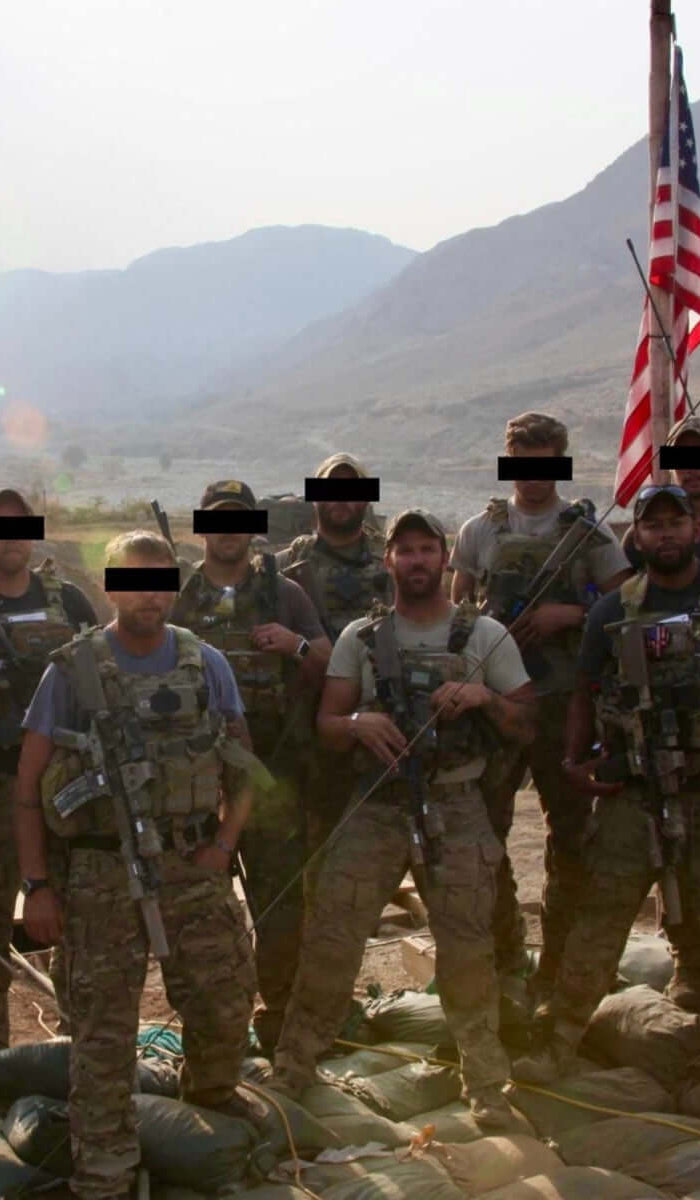
We've been downrange. We know what it costs to be unprepared. ViTAC was built by U.S. Army Special Operations veterans to make sure the people who run toward the threat — and the families who depend on them — have gear that works when everything is on the line.
— ViTAC Solutions Founders | 40+ years combined Special Operations experience
Most of our trauma kits and first aid supplies qualify for HSA and FSA reimbursement. Don't let your benefits expire — invest them in gear that could save a life.
What are you preparing for? On-duty response, family preparedness, outdoor adventure... Answer 5 quick questions and we'll match you with the right gear.
Hello thank you for putting out a affordable kit we were spending a lot of money on MYMEDIC kits but I think you changed my mind
Hi Joey, thank you so much for taking the time to leave us a review. We're thrilled to hear that our kit has made a positive impression on you. We strive to provide high-quality, affordable options for our customers, and we're happy to have changed your mind about other brands. Stay safe out there!