M.A.R.C.H. Trauma Care - A Simple Guide to Saving Lives
12 min reading time
M.A.R.C.H. is a structured approach to trauma care, primarily used in military and tactical medicine to address the most life-threatening injuries in a systematic order. This method is critical in the Golden Hour, the first 60 minutes following a traumatic injury, when immediate action can drastically increase survival rates.
M.A.R.C.H. stands for:
Massive Hemorrhage – Control life-threatening bleeding first.
Airway – Ensure the casualty's airway is open and clear.
Respiration – Assess and support breathing, sealing chest wounds if necessary.
Circulation – Prevent shock by maintaining adequate blood flow.
Head & Hypothermia – Protect against brain injuries and prevent hypothermia.
Why M.A.R.C.H. is Essential
In trauma situations, every second counts. The M.A.R.C.H. algorithm provides a structured approach to managing injuries efficiently, ensuring that the most life-threatening conditions are addressed first. This prioritization is crucial during the Golden Hour, where immediate intervention can mean the difference between life and death.
Massive Hemorrhage (Bleeding) - Uncontrolled bleeding is the #1 preventable cause of trauma-related deaths. A person can bleed out in under five minutes if massive hemorrhaging is not controlled.
Applying a tourniquet, hemostatic dressing, or direct pressure can save a life.
Airway (Breathing) - Oxygen deprivation can cause irreversible brain damage within minutes. If the airway is blocked or the lungs are compromised, immediate action must be taken.
Clearing obstructions, positioning the airway, or inserting a nasopharyngeal airway (NPA) can restore airflow.
Respiration (Breathing Support) - A casualty may have difficulty breathing due to collapsed lungs or penetrating chest wounds.
Using chest seals and monitoring for respiratory distress can prevent further complications.
Circulation (Blood Flow) - Shock can quickly become fatal if not appropriately managed.
Checking for weak pulses, skin temperature, and altered mental status helps assess circulation and prevent further decline.
Head Injury & Hypothermia (Protection) - Brain injuries and hypothermia can worsen a patient's condition if not addressed.
Keeping the patient warm and stabilizing the head can prevent secondary complications.
By focusing on M.A.R.C.H., responders can take swift and decisive action to stabilize patients and increase their chances of survival. Even those without advanced medical training can apply this method effectively, making it an essential tool for first responders, military personnel, and civilians in emergencies.
Simplifying M.A.R.C.H. for Quick Recall
M.A.R.C.H. is a highly effective trauma response framework, but in high-pressure emergencies, remembering all five steps can be challenging. To simplify it, focus on the three most critical life-saving actions:
By prioritizing the most immediate threats to survival, even those without medical training can take decisive action to stabilize a casualty before advanced care arrives.
"Bleeding, Breathing, Blood Flow"
Bleeding – Stopping blood loss immediately is crucial to survival. Focus on identifying and controlling severe hemorrhaging by checking for pooling blood, soaked clothing, or spurting wounds before moving to other steps.
If the bleeding is from a limb, use a tourniquet placed high and tight.
Use hemostatic dressings for deep wounds and direct pressure for any uncontrolled bleeding to stop blood loss effectively.
Breathing – After controlling bleeding, check if the casualty is breathing normally—listen for abnormal sounds, watch for chest rise and fall, and feel for airflow.
If the person is unconscious, perform a jaw thrust maneuver to open the airway.
If breathing is compromised, clear obstructions, use nasopharyngeal airways (NPAs) to keep the airway open.
For penetrating chest wounds, apply a vented chest seal to prevent tension pneumothorax, a potentially fatal lung collapse.
Blood Flow – Assess for signs of shock, such as pale skin, weak pulse, or confusion.
If shock is present, elevate the legs (if no spinal injury is suspected), keep the casualty warm, and administer fluids if trained and appropriate to help stabilize circulation until professional medical care is available.
Addressing Bleeding, Breathing, and Blood Flow first gives a casualty the best chance of survival. Once these are stabilized, additional steps like protecting against hypothermia and head injuries can be managed more effectively.
Be Prepared for Emergencies
Understanding the M.A.R.C.H. framework and carrying the right trauma gear can make the difference between life and death. Having a well-equipped trauma kit and the knowledge to apply life-saving techniques is crucial in high-stress situations. Whether you're a first responder, military personnel, or a prepared civilian, knowing how to quickly assess and address critical injuries can be the deciding factor in an emergency.
A well-prepared individual should:
Train regularly – Practice applying tourniquets, airway management, and assessing for shock.
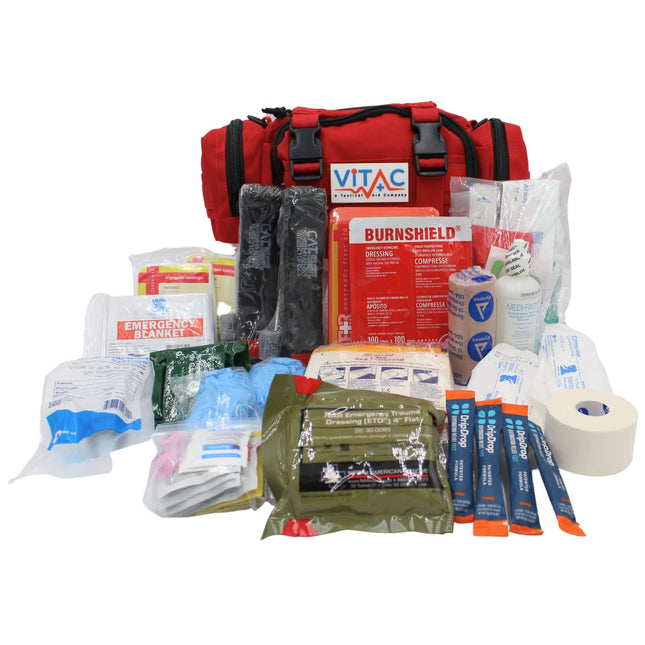
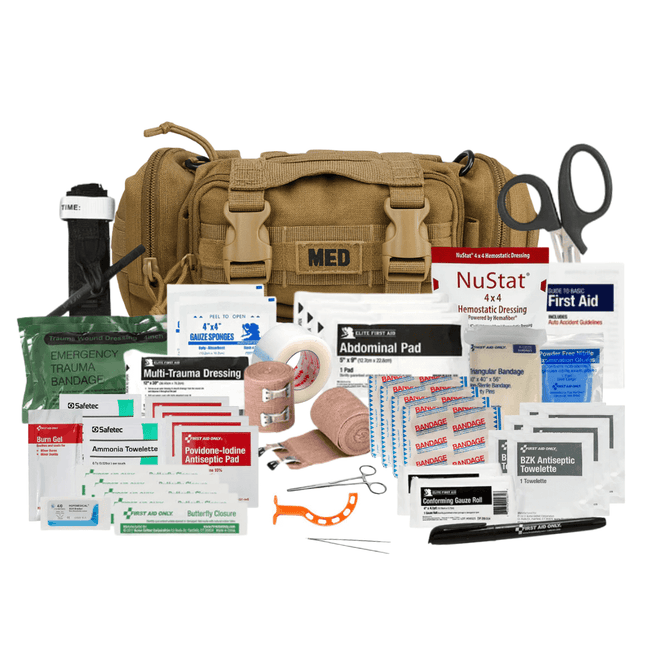
Equip yourself with the right tools – Carry high-quality tourniquets, hemostatic dressings, airway adjuncts, and thermal blankets.
Stay calm and act decisively – Following a structured approach like M.A.R.C.H. ensures you prioritize the most critical injuries first.
No one expects an emergency, but preparation can save lives. Learn the basics, stay equipped, and be ready to act when seconds count.
Shop Premium First Aid Kits Designed for Emergency ResponseShop Now
In Stock. Ready to Ship.
Domestic Shipping (USA - Lower 48 Only) Orders are processed within 24 hours and typically ship within 1–2 business days. Once shipped, delivery takes an estimated 3–7 days, with most orders arriving in just 5 days. Please Note: We currently do not ship to Alaska, Hawaii, or international destinations. Questions? Contact us anytime at support@vitacsolutions.com or call 307-202-8426.
In Stock. Ready to Ship.
Domestic Shipping (USA - Lower 48 Only) Orders are processed within 24 hours and typically ship within 1–2 business days. Once shipped, delivery takes an estimated 3–7 days, with most orders arriving in just 5 days. Please Note: We currently do not ship to Alaska, Hawaii, or international destinations. Questions? Contact us anytime at support@vitacsolutions.com or call 307-202-8426.
In Stock. Ready to Ship.
Domestic Shipping (USA - Lower 48 Only) Orders are processed within 24 hours and typically ship within 1–2 business days. Once shipped, delivery takes an estimated 3–7 days, with most orders arriving in just 5 days. Please Note: We currently do not ship to Alaska, Hawaii, or international destinations. Questions? Contact us anytime at support@vitacsolutions.com or call 307-202-8426.
In Stock. Ready to Ship.
Domestic Shipping (USA - Lower 48 Only) Orders are processed within 24 hours and typically ship within 1–2 business days. Once shipped, delivery takes an estimated 3–7 days, with most orders arriving in just 5 days. Please Note: We currently do not ship to Alaska, Hawaii, or international destinations. Questions? Contact us anytime at support@vitacsolutions.com or call 307-202-8426.
Are you making the right choice when buying IFAK trauma kits? This post highlights the crucial differences between budget and quality options, focusing on components...
5 Things You Need to Know Before You Buy a First Aid Kit
Before buying a first aid kit, ensure it suits your specific needs, contains essential trauma supplies, and is backed by reliable support. Discover key factors...
Discover essential items every Car Trauma Kit Essentials should include to effectively control severe bleeding after an accident. Learn the importance of training and how...
Community Preparedness: How Public Safety Leaders Build Resilient Neighborhoods
Community preparedness starts with strong leadership. This comprehensive guide empowers law enforcement officers, veterans, first responders, and civic leaders to organize emergency training, build volunteer...
Trusted by Law Enforcement & Tactical Professionals
Our Mission.
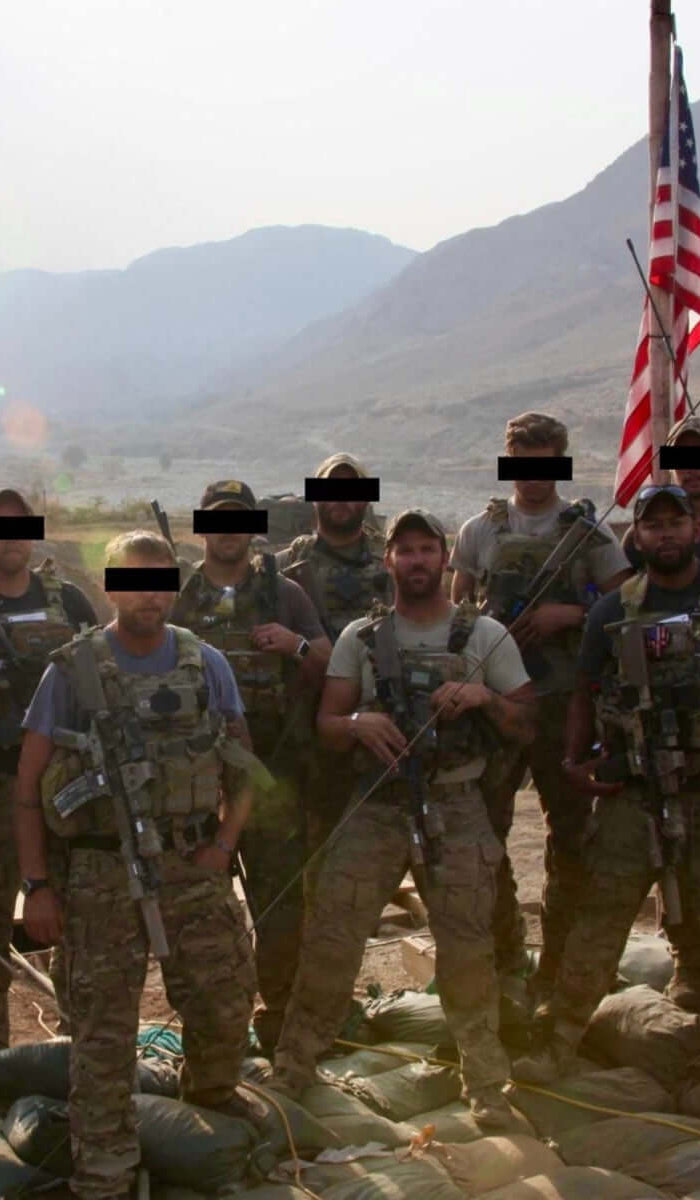
We've been downrange. We know what it costs to be unprepared. ViTAC was built by U.S. Army Special Operations veterans to make sure the people who run toward the threat — and the families who depend on them — have gear that works when everything is on the line.
— ViTAC Solutions Founders | 40+ years combined Special Operations experience
Most of our trauma kits and first aid supplies qualify for HSA and FSA reimbursement. Don't let your benefits expire — invest them in gear that could save a life.
What are you preparing for? On-duty response, family preparedness, outdoor adventure... Answer 5 quick questions and we'll match you with the right gear.
Hello thank you for putting out a affordable kit we were spending a lot of money on MYMEDIC kits but I think you changed my mind
Hi Joey, thank you so much for taking the time to leave us a review. We're thrilled to hear that our kit has made a positive impression on you. We strive to provide high-quality, affordable options for our customers, and we're happy to have changed your mind about other brands. Stay safe out there!


 Be Prepared for Emergencies