Trusted by Law Enforcement & Tactical Professionals
Conforming Gauze vs. Elastic Bandages: Know the Difference
4 min reading time
Not all bandages are created equal. When injuries happen, knowing whether to use conforming gauze or an elastic bandage can make a big difference. Here’s how to choose—and use—the right one.
Why It Matters
When accidents happen—whether you're on patrol, on duty, or just heading home from work—knowing how to use the tools in your first aid kit can be the difference between minor inconvenience and major complication. Two of the most commonly misunderstood supplies in trauma kits are conforming gauze and elastic bandages. While they might look similar, their functions are very different.
Let’s break it down.
What Is Conforming Gauze?
Conforming gauze is a soft, stretchable, breathable wrap that molds easily to the contours of the body. It’s used primarily to hold wound dressings in place without restricting movement or cutting off circulation.
✅ Ideal for:
Securing wound dressings
Wrapping fingers, joints, and irregular body areas
Situations requiring frequent dressing changes
🚫 Not ideal for:
Heavy bleeding (use hemostatic gauze or trauma dressings instead)
Providing compression or stabilization
What Is an Elastic Bandage?
Elastic bandages—like ACE™ wraps—are thicker, sturdier, and designed to apply pressure to the injury site. They’re most often used to support injured joints and reduce swelling in strains, sprains, or soft tissue injuries.
✅ Ideal for:
Supporting ankles, wrists, or knees
Managing swelling from sprains or contusions
Compression wrapping to control mild bleeding
⚠️ Caution:
Never wrap too tightly—improper use can restrict blood flow.
Monitor for signs of numbness, tingling, or discoloration.
Application Tips: Bandage Smarter
🩹 How to Apply Conforming Gauze
Clean and dress the wound first.
Begin wrapping at the distal end (furthest from the heart).
Overlap each layer by about ⅓ to ½.
Secure with medical tape, clips, or fasteners—not too tight.
💪 How to Apply Elastic Bandages
Start with light tension at the injury site.
Wrap in a figure-eight pattern around joints when possible.
Ensure consistent pressure—firm but not restrictive.
Check circulation beyond the wrap (capillary refill, color, pulse).
Choosing the Right Tool in the Moment
Whether you're building an IFAK for patrol, packing a trauma kit for your vehicle, or upgrading a workplace first aid station, both bandage types serve a purpose:
Conforming Gauze: For dressing wounds, securing pads or gauze, and wrapping hard-to-bandage areas.
Elastic Bandages: For injury support, compression, and swelling reduction.
Being able to identify, apply, and differentiate these tools under stress could drastically improve outcomes for you, your team, or your family.
Be Ready for the Unexpected
Accidents don’t schedule themselves. Whether you’re on duty or off-grid, having the right medical gear—backed by the right knowledge—can save time, reduce injury severity, and buy critical minutes before help arrives.
In Stock
Domestic Shipping (USA - Lower 48 Only) Orders are processed within 24 hours and typically ship within 1–2 business days. Once shipped, delivery takes an estimated 3–7 days, with most orders arriving in just 5 days. Please Note: We currently do not ship to Alaska, Hawaii, or international destinations. Questions? Contact us anytime at support@vitacsolutions.com or call 307-202-8426.
In Stock
Domestic Shipping (USA - Lower 48 Only) Orders are processed within 24 hours and typically ship within 1–2 business days. Once shipped, delivery takes an estimated 3–7 days, with most orders arriving in just 5 days. Please Note: We currently do not ship to Alaska, Hawaii, or international destinations. Questions? Contact us anytime at support@vitacsolutions.com or call 307-202-8426.
In Stock
Domestic Shipping (USA - Lower 48 Only) Orders are processed within 24 hours and typically ship within 1–2 business days. Once shipped, delivery takes an estimated 3–7 days, with most orders arriving in just 5 days. Please Note: We currently do not ship to Alaska, Hawaii, or international destinations. Questions? Contact us anytime at support@vitacsolutions.com or call 307-202-8426.
In Stock
Domestic Shipping (USA - Lower 48 Only) Orders are processed within 24 hours and typically ship within 1–2 business days. Once shipped, delivery takes an estimated 3–7 days, with most orders arriving in just 5 days. Please Note: We currently do not ship to Alaska, Hawaii, or international destinations. Questions? Contact us anytime at support@vitacsolutions.com or call 307-202-8426.
What are you preparing for? On-duty response, family preparedness, outdoor adventure... Answer 5 quick questions and we'll match you with the right gear.
Gunshot Wound Kit: 6 TCCC Components and How to Build Your Own
Uncontrolled bleeding kills in 3–5 minutes. Here are the 6 TCCC-standard components every gunshot wound kit requires, what each one does, and how to build...
Tactical First Aid Kits vs. Everyday-Carry: Making the Right Choice for Preparedness
Imagine this: You're the first on the scene of a multi-car accident. Chaos erupts. People are injured and bleeding heavily. Seconds count. Are you prepared...
CAT vs. SOF-T vs. SWAT-T: Which Tourniquet Matches Your Mission
Three TCCC-approved tourniquets, three distinct carry scenarios. This decision matrix matches the CAT Gen 7, SOF-T Gen 5, and SWAT-T to mission, environment, and training...
Tornadoes, vehicle accidents, and urban threats demand different gear. This decision matrix maps kit requirements to scenario type so you build once, correctly.
We've been downrange. We know what it costs to be unprepared. ViTAC was built by U.S. Army Special Operations veterans to make sure the people who run toward the threat — and the families who depend on them — have gear that works when everything is on the line.
— ViTAC Solutions Founders | 40+ years combined Special Operations experience
Most of our trauma kits and first aid supplies qualify for HSA and FSA reimbursement. Don't let your benefits expire — invest them in gear that could save a life.
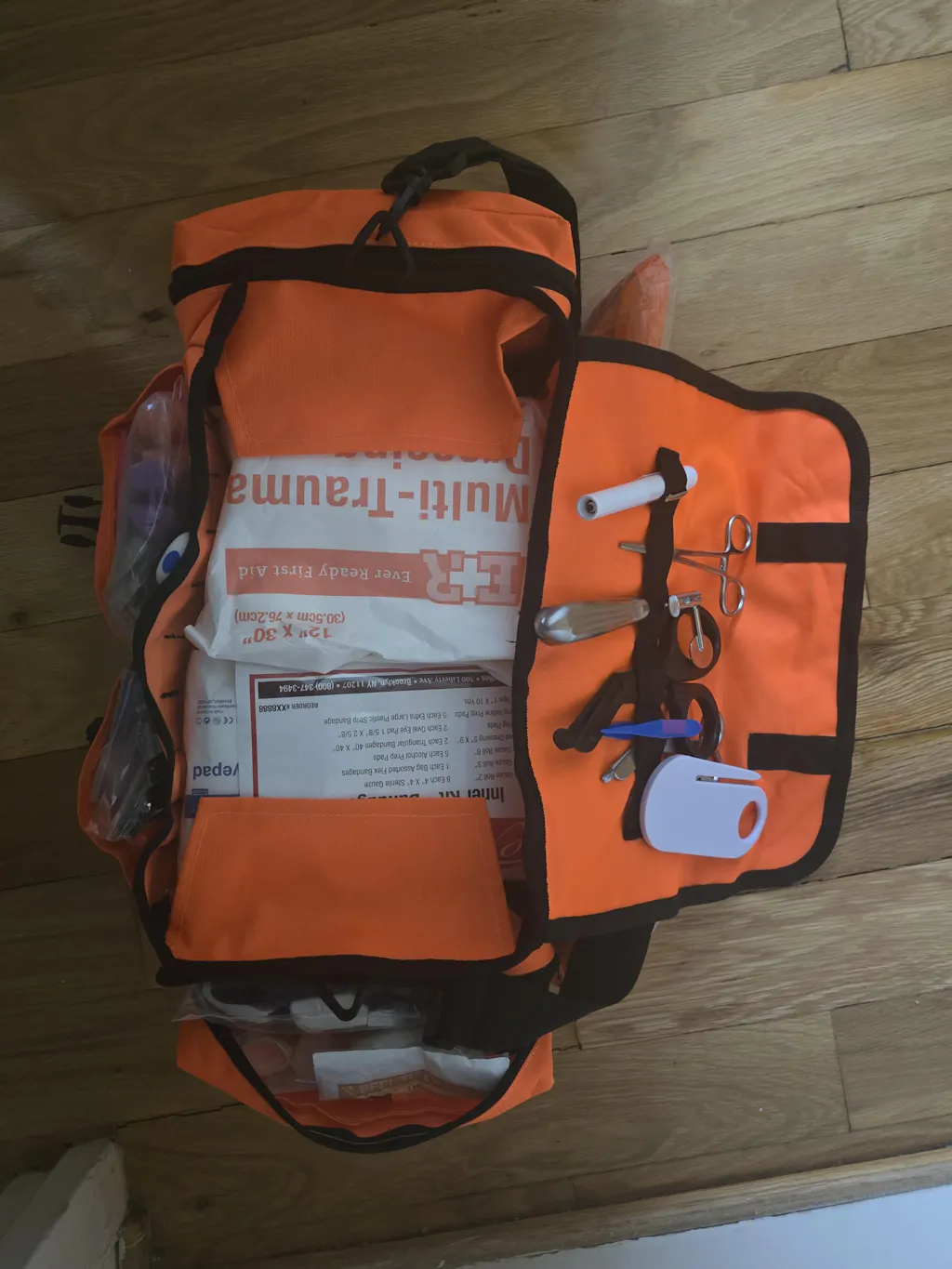
Excellent choice for a one-stop, well-stocked trauma bag
This is a great kit if you're looking for a higher-level bag. The individual pieces are good quality and it packs tightly--that's good but it doesn't leave a ton of room if you want to add anything.