Vehicle First Aid Kits and HSA Eligibility: What to Look For Before You Buy
21 min reading time
Learn what makes a vehicle first aid kit HSA eligible. Discover essential components, selection tips, and how to maximize your HSA benefits for preparedness.
When you think of a first aid kit, you might picture a small box with a few bandages and antiseptic wipes. But true preparedness goes beyond that. Today’s kits are designed for a wide range of situations, from everyday household incidents to more serious emergencies on the road or in the outdoors. Many even include professional-grade supplies that first responders trust. Investing in this level of readiness is more accessible than you think, thanks to your health savings. This guide will explore the different types of kits you can buy with your pre-tax dollars, helping you choose an HSA eligible first aid kit that truly fits your lifestyle.
Key Takeaways
Use Your HSA for a Financial Win: Paying for a first aid kit with your HSA is a savvy move because you use pre-tax money, which is like getting an automatic discount. Just make sure the kit’s contents are for actual medical care, like treating cuts or burns, not for general personal use.
Choose a Kit That Matches Your Reality: The right kit isn’t one-size-fits-all; it’s the one that makes sense for your life. Think about your family size, hobbies, and where you’ll store it (home, car, or travel bag) to ensure you’re prepared for the situations you’re most likely to face.
Maintain Your Kit for True Preparedness: A first aid kit isn’t a one-time purchase. Make it a habit to check expiration dates and restock any used items twice a year, and store it somewhere accessible so you can grab it without thinking when an emergency happens.
Documentation is Key for Reimbursement: Always keep your receipts. If your HSA administrator needs proof that your vehicle first aid kit HSA eligible purchase was for medical reasons, a clear receipt is your best friend.
Quality Over Quantity: When selecting a vehicle first aid kit HSA eligible for your needs, focus on the quality of the supplies. Better materials mean they're more likely to work when you actually need them, which is the whole point.
Understanding HSA Eligibility for Vehicle First Aid Kits
So, you're thinking about getting a first aid kit for your car and wondering if you can use your Health Savings Account (HSA) money for it. That's a smart move! HSAs are great for medical stuff, and many first aid items definitely count. The main idea is that the items in the kit need to be for treating injuries or illnesses. It's not for general health maintenance, but for actual medical care when something goes wrong.
What Constitutes an HSA-Eligible Medical Expense
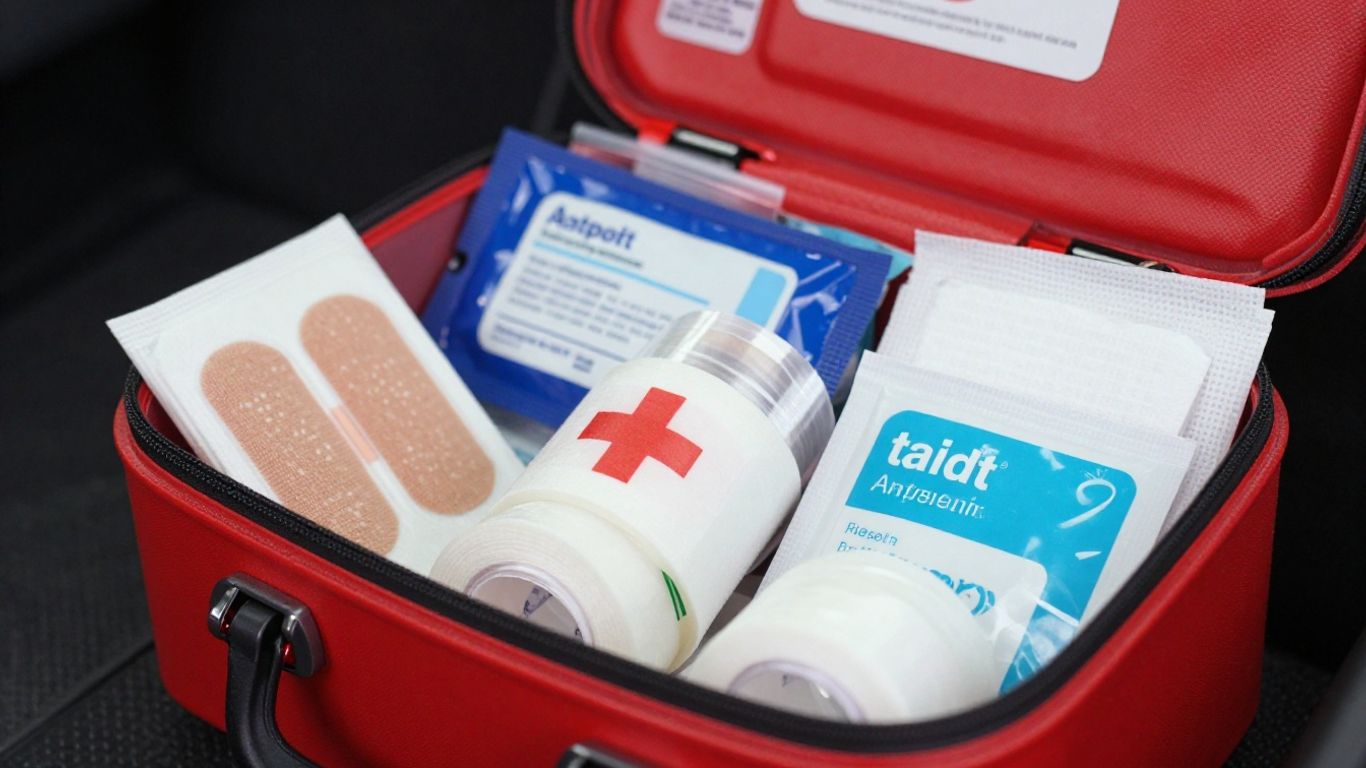
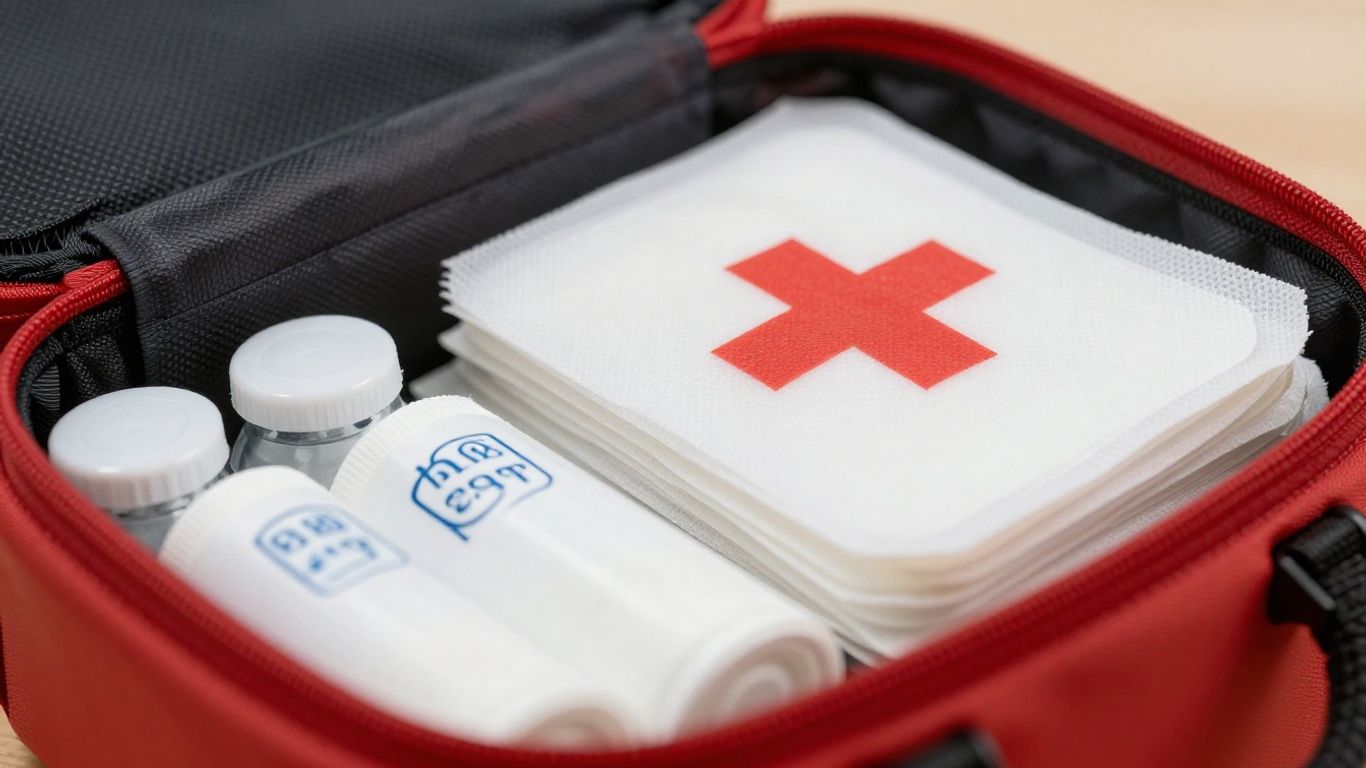
Basically, if an item is used to diagnose, treat, or prevent a medical condition or injury, it's usually good to go for HSA reimbursement. This includes things like bandages, gauze, antiseptic wipes, and even more advanced items like trauma shears or splints. The IRS has guidelines, and generally, if it's something you'd use to fix a cut, stop bleeding, or stabilize an injury, your HSA funds can cover it. It’s all about the medical purpose of the item. For example, a basic rip-away trauma kit is considered eligible because it's for medical preparedness.
Key Differences: Medical Supplies vs. Personal Care Items
This is where it can get a little tricky. Your HSA is for medical expenses, not just anything you might put in a bag. Think of it this way: bandages are medical supplies, but maybe a fancy moisturizer isn't, even if it's in the same aisle. Items that are purely for personal grooming or general wellness, like standard lip balm or sunscreen (unless prescribed for a specific condition), usually don't qualify. The key question to ask yourself is: "Is this item directly treating or preventing an injury or illness?" If the answer is yes, you're probably in the clear. A 301-piece premium emergency home first aid kit, for instance, is designed for handling injuries and is HSA/FSA eligible.
Identifying HSA-Approved First Aid Products
Many companies make it easier by specifically labeling their first aid kits or individual items as HSA/FSA eligible. This takes the guesswork out of it. If you see that label, you know it's been vetted. If you're building your own kit or buying individual items, stick to the basics for treating injuries: sterile gauze, medical tape, bandages, antiseptic solutions, and any tools needed for immediate care. You can also look for kits that are designed for emergency preparedness, as these are often recognized as medical items. Remember to keep your receipts, just in case your HSA administrator asks for more details about your purchase.
Bandages and gauze pads
Antiseptic wipes and ointments
Medical tape
Trauma shears
Splints
CPR masks
When in doubt, check with your HSA administrator. They can provide the most up-to-date information on what qualifies and what doesn't, helping you make the best choices for your health savings.
Essential Components for Your Vehicle First Aid Kit
So, you've decided to get a first aid kit for your car. That's a smart move! But what exactly should be inside one that's actually useful? It's not just about throwing a few band-aids in a bag. We're talking about being ready for a range of situations, from a scraped knee on a road trip to something a bit more serious. A well-stocked kit is your first line of defense when help is still on the way.
Core Wound Care and Bleeding Control Supplies
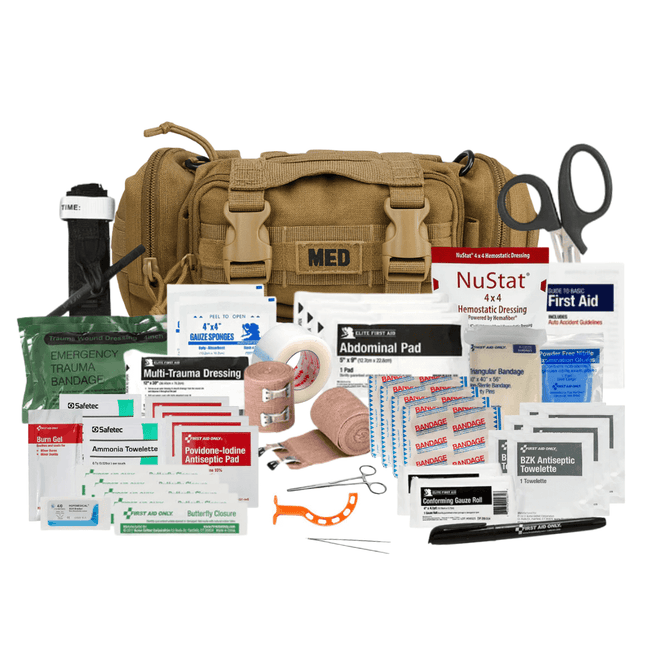
This is the bread and butter of any first aid kit. You need to be able to handle cuts, scrapes, and more significant bleeding. Think about having a good variety of bandages – the small ones for paper cuts, larger ones for bigger boo-boos, and some really substantial dressings for when things get messy. Medical tape is also a must for keeping those dressings in place. For more serious bleeding, you'll want items like trauma dressings and maybe even some hemostatic gauze. These are designed to stop bleeding fast, which can be a lifesaver. It's all about having the right tools to manage blood loss until you can get professional medical attention.
Here’s a quick rundown of what to look for:
Sterile Gauze Pads: Get a mix of sizes (like 2x2, 3x3, and 4x4 inches).
Adhesive Bandages: Plenty of these, in various shapes and sizes.
Medical Tape: Cloth and paper tape are both handy.
Trauma Dressings: For controlling heavy bleeding.
Elastic Bandages: Good for sprains and providing compression.
Advanced Emergency Equipment for Roadside Incidents
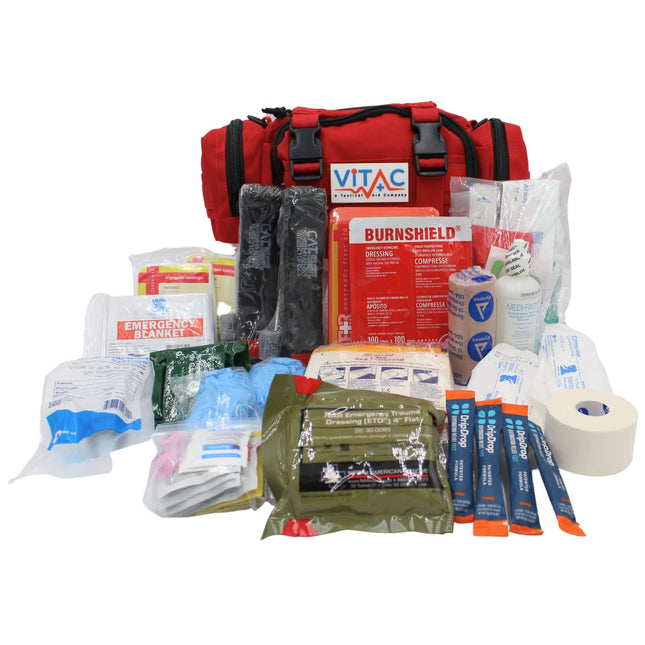
Beyond the basics, think about what might happen on the road. A flat tire is one thing, but a more serious accident is another. Having items like a tourniquet can be critical for severe limb bleeding. Chest seals are important if someone suffers a penetrating chest wound. Splinting materials can help stabilize broken bones, and thermal blankets are great for preventing shock or hypothermia, especially if you're stranded in bad weather. These are the kinds of items that can make a real difference in a high-stress situation. You can find some really solid vehicle first aid kits that include these advanced items.
Equipment Type
Primary Use
HSA Eligible
Tourniquet
Severe extremity bleeding
Yes
Chest seals
Penetrating chest wounds
Yes
Hemostatic gauze
Uncontrolled bleeding
Yes
Splinting materials
Fracture stabilization
Yes
Thermal blankets
Shock and hypothermia
Yes
CPR mask
Respiratory emergencies
Yes
Specialized Items for Common Travel Ailments
Road trips and daily commutes can bring their own set of minor annoyances. Think about things like motion sickness medication, pain relievers for headaches or muscle aches, and maybe some antihistamines for unexpected allergic reactions. Antiseptic wipes are always useful for cleaning wounds or hands when soap and water aren't available. Don't forget things like eye wash solution for irritants or insect sting relief. A good roadside emergency kit often includes a mix of these practical items alongside the more serious trauma gear.
Keeping your kit organized is just as important as what's inside it. If you can't find what you need quickly in an emergency, the best supplies in the world won't help much. Think about clear labeling and easy access for every item.
Remember, the goal is to be prepared for a variety of scenarios, from minor cuts to more significant emergencies. Having the right components in your vehicle first aid kit gives you peace of mind and the ability to act confidently when needed.
Selecting the Right Vehicle First Aid Kit
So, you've decided to get a first aid kit for your car, which is a smart move. But walking into a store or browsing online, you see so many options. It can feel a bit overwhelming, right? It’s not just about grabbing the first box you see. You really need to think about what makes sense for you and your situation. The best kit is the one that’s actually in your car when you need it, and it should have stuff you know how to use.
Assessing Your Lifestyle and Activity Risks
Think about where you go and what you do. Are you mostly driving around town for errands, or do you take long road trips through remote areas? If you're always on the go, maybe a more compact kit that fits easily in your glove compartment or under a seat is best. If you're often far from help, like on camping trips or long drives through the countryside, you might need something a bit more robust. For example, someone who frequently hikes or camps might look at specialized outdoor kits, like those from the Adventure Medical Sportsman Series, which are designed for wilderness injuries. It’s about matching the kit’s contents to the kinds of bumps, scrapes, or worse that you’re likely to encounter.
Here’s a quick way to think about it:
Daily Commuter: Focus on common issues like cuts, scrapes, minor burns, and maybe some pain relievers. A smaller, well-organized kit is usually sufficient.
Road Trip Warrior: Consider more serious scenarios. Include items for sprains, larger wounds, and perhaps even a basic trauma item like a tourniquet if you travel in areas with delayed emergency response. Think about what you might need until help arrives.
Outdoor Adventurer (Car Camping/Hiking): Prioritize supplies for blisters, insect bites, sprains, and cuts. These kits often have more advanced wound care and are built to be durable.
The goal isn't to prepare for every single possible disaster, but to have a sensible set of tools ready for the most probable incidents you might face on the road.
Considering Special Medical Needs for Passengers
Now, who rides in your car? If you have kids, you'll want plenty of kid-friendly bandages and maybe some children's pain relief. If you or a regular passenger has a chronic condition, like severe allergies or diabetes, you absolutely need to customize the kit. This means adding specific items. For allergies, an extra epinephrine auto-injector (if prescribed) is a must. For diabetes, glucose tablets or gel are important. Don't just rely on a generic kit; make sure it covers any unique health needs of your family members. It’s about personalized safety.
Prioritizing Quality and Reliability in Kit Contents
When you’re looking at kits, especially those marketed as HSA-eligible, don't just glance at the piece count. Really check the quality of what's inside. Are the bandages sturdy? Is the antiseptic effective? You don't want to find out during an emergency that your supplies are cheap or expired. Look for kits that use professional-grade materials, similar to what EMTs might use. For instance, a 151-piece first responder jump bag might be overkill for a car kit, but it shows the kind of quality you might want to look for in components. Also, check if the kit offers refills. Things expire, and you’ll use items. A kit that’s easy to restock means it stays useful year after year. It’s better to have a smaller kit with high-quality, reliable items than a huge one filled with junk.
Maximizing Your HSA Benefits for First Aid Purchases
Using your Health Savings Account (HSA) for a vehicle first aid kit is a smart move. It's a tax-advantaged way to prepare for the unexpected, stretching your healthcare dollars further. Think of it as investing in your well-being and financial responsibility all at once. Instead of just seeing your HSA for doctor visits, view it as a tool for everyday wellness and emergency readiness. This approach helps you cover necessary supplies without touching your after-tax money, giving you peace of mind and financial control.
Documentation and Record Keeping for Reimbursement
Keeping good records is key for smooth reimbursements and to be ready if your HSA administrator ever asks for more details. It’s not super complicated, but a little organization goes a long way.
Save all your receipts. Make sure they show the item descriptions and when you bought them.
Keep the original packaging, especially if it shows the medical purpose of the item.
If you buy specialized equipment that needs a doctor's note, keep that handy too.
Consider keeping a simple log of what you bought with your HSA funds and why.
Many HSA providers have apps that make snapping photos of receipts easy. Digital records are way simpler to manage than a shoebox full of paper.
Strategic Timing for Kit Acquisitions
Unlike some other accounts, HSAs don't have a "use it or lose it" rule. This is great because it means you can build up your emergency supplies over time. You don't have to rush to buy things before a deadline. If you've maxed out your contributions for the year and still have funds left, investing in a quality first aid kit is a solid choice that lasts. You can even save up over several years to afford a more professional-grade kit if that's what you need. It’s about making deliberate choices for your preparedness.
Understanding Quantity Limitations and Restrictions
The IRS doesn't set hard limits on how many first aid items you can buy. The main idea is that your purchases should be reasonable for personal medical use. Buying one good kit or replacing items you've used up is generally fine. If you're buying in very large quantities, your HSA administrator might ask for more information to confirm the medical need. For example, if a business is buying a kit for its workplace, they'd need records explaining why.
Most basic first aid items don't need a prescription to be HSA eligible. However, some things, like prescription medications or specialized medical devices, will require a doctor's authorization. It's good to know that over-the-counter medications like pain relievers and allergy meds became eligible without a prescription starting in 2020, making it easier to stock up on common remedies. While the medical supplies inside are eligible, the container or bag might not be if it’s seen as a general-purpose item. Think of it this way: you’re buying the medical contents, not the backpack they come in. Most retailers accept your HSA card directly at checkout, so there are no extra forms or reimbursement hassles to deal with.
Investing in a well-stocked first aid kit, especially one designed for the specific risks of travel like the Adventurer First Aid Kit, is a proactive step. It ensures you have the necessary supplies readily available for common roadside incidents or minor injuries, potentially preventing a small issue from becoming a larger problem. Remember, the goal is preparedness, and using your HSA makes this financially sensible.
When choosing a kit, consider if you need something more robust, like a First Responder Jump Bag, which is designed for more serious situations and trained personnel, but still HSA eligible. The key is matching the kit's contents and complexity to your likely needs and your comfort level with using the supplies.
Maintaining and Organizing Your Vehicle Kit
So, you've got a great first aid kit for your car, maybe even one that's HSA eligible. That's awesome! But buying it is just the first step. A kit sitting in your trunk, full of expired bandages or missing crucial items, isn't going to do much good when you actually need it. Keeping your vehicle kit in top shape is pretty straightforward, though. It’s all about a little regular attention.
Ensuring Sterility and Checking Expiration Dates
Think of your first aid supplies like milk in the fridge – they don't last forever. Antiseptic wipes can dry out, ointments can lose their potency, and sterile dressings aren't sterile if they're past their prime. It's a good idea to give your kit a once-over at least twice a year. A simple trick is to check it when you change your clocks for daylight saving time. When you do this check, take a quick inventory. What did you use last time? What's coming up on its expiration date? Make a list of anything that needs replacing. Many companies offer refill packs for their kits, which is way easier than buying a whole new kit just because you ran out of gauze pads or pain relievers.
Here’s a quick look at common expiration timelines:
Item Type
Typical Shelf Life
Notes
Sterile Dressings/Gauze
3-5 years
Check packaging for specific dates
Antiseptic Wipes/Solutions
1-2 years
Can dry out or lose effectiveness
Ointments/Creams
2-3 years
Effectiveness can decrease over time
Adhesive Bandages
3-5 years
Adhesive can lose stickiness
Tourniquets
5+ years
Inspect for wear and tear, check mechanism
Organizing for Quick Access in Emergencies
When something happens, you don't want to be digging through a jumbled mess. A well-organized kit means you can find exactly what you need, fast. Most kits come with compartments or pouches, but you can always add your own system. Consider grouping similar items together: all wound care in one section, pain relief in another, and so on. Clear labeling can also be a lifesaver, especially if multiple people might need to use the kit. If your kit is more advanced, like a Vehicle Trauma Response Kit, make sure the critical items like tourniquets and chest seals are immediately accessible.
Regular Maintenance for Ongoing Preparedness
Beyond just checking dates, think about the kit's overall condition. Is the container itself still sturdy? Are there any tears in the fabric pouch? If you live in an area with extreme temperatures, make sure your kit is stored where it won't be damaged by heat or cold, as this can affect the supplies inside. Keeping your kit ready is part of a larger safety plan for your travels. Having a reliable kit means you can handle minor issues with confidence, knowing you're prepared for unexpected events on the road. It’s a small effort that provides significant peace of mind, making sure your investment in preparedness truly pays off.
A first aid kit is only as good as its contents and its accessibility. Regular checks and smart organization transform a simple box of supplies into a dependable tool for your safety and well-being on the road. Don't wait for an emergency to discover your kit isn't ready.
Remember, a well-maintained kit is a key part of being ready for anything. For more ideas on what to include, check out this guide to building a car first-aid kit.
Wrapping It Up
So, when you're looking to grab a first aid kit for your car or home, remember that using your HSA funds can be a really smart move. It's not just about being prepared for little boo-boos; it's about making your healthcare money work harder for you. Just keep in mind that the items inside need to be for actual medical care, not just general stuff. Whether you buy a pre-made kit that's already marked as HSA-eligible or build your own, making sure it fits your life and your family's needs is key. A little planning now means you'll have what you need when you need it, without the added stress of figuring it out in an emergency. Plus, you get that nice tax break, which is always a win.
Frequently Asked Questions
Can I use my HSA for any first aid kit I find?
Not all first aid kits are eligible for HSA use. Your HSA funds are meant for medical expenses. While most items in a first aid kit, like bandages and antiseptic wipes, are okay, some kits might have things like sunscreen or lip balm that aren't considered medical necessities. It's best to look for kits specifically marked as HSA-eligible or to check that the items inside are mainly for treating injuries or illnesses.
Is it better to buy a pre-made kit or put one together myself?
Buying a pre-made kit that's HSA-approved is usually the easiest way to go. You know everything inside is likely covered, and it saves you time. If you prefer to pick out every single item yourself, you can do that too, but you'll need to make sure each item you buy is eligible for HSA reimbursement. For most people, a ready-made kit is simpler.
How do I pay for an HSA-eligible first aid kit?
Using your HSA card is just like using a regular debit card. You can swipe it or enter the card number online at most stores or websites that sell eligible health items. Usually, you don't need to fill out extra forms or send in receipts later, making it a quick and easy process.
What if my family has special medical needs?
A standard kit is a good start, but you can definitely add to it! If someone in your family has allergies, diabetes, or needs specific medications, you can use your HSA funds to buy those extra, eligible medical supplies. Think of a pre-made kit as your basic setup, and then add the special items your family requires for complete preparedness.
What kind of items are definitely HSA-eligible for a first aid kit?
Items that are directly used to treat injuries or medical issues are generally eligible. This includes things like sterile bandages, gauze pads, medical tape, antiseptic wipes, antibiotic ointment, burn creams, instant cold packs, and trauma shears. Basically, if it helps stop bleeding, clean a wound, or protect an injury, it's likely covered.
What if my kit includes a bag or container? Is that covered by my HSA?
Generally, the bag or container that holds the first aid supplies might not be considered a medical expense. Your HSA is meant to cover the medical items themselves, not necessarily the storage. So, while the bandages and medicines inside are eligible, the backpack or box they come in might not be. Focus on the contents being medically necessary.
In Stock. Ready to Ship.
Domestic Shipping (USA - Lower 48 Only) Orders are processed within 24 hours and typically ship within 1–2 business days. Once shipped, delivery takes an estimated 3–7 days, with most orders arriving in just 5 days. Please Note: We currently do not ship to Alaska, Hawaii, or international destinations. Questions? Contact us anytime at support@vitacsolutions.com or call 307-202-8426.
In Stock. Ready to Ship.
Domestic Shipping (USA - Lower 48 Only) Orders are processed within 24 hours and typically ship within 1–2 business days. Once shipped, delivery takes an estimated 3–7 days, with most orders arriving in just 5 days. Please Note: We currently do not ship to Alaska, Hawaii, or international destinations. Questions? Contact us anytime at support@vitacsolutions.com or call 307-202-8426.
In Stock. Ready to Ship.
Domestic Shipping (USA - Lower 48 Only) Orders are processed within 24 hours and typically ship within 1–2 business days. Once shipped, delivery takes an estimated 3–7 days, with most orders arriving in just 5 days. Please Note: We currently do not ship to Alaska, Hawaii, or international destinations. Questions? Contact us anytime at support@vitacsolutions.com or call 307-202-8426.
In Stock. Ready to Ship.
Domestic Shipping (USA - Lower 48 Only) Orders are processed within 24 hours and typically ship within 1–2 business days. Once shipped, delivery takes an estimated 3–7 days, with most orders arriving in just 5 days. Please Note: We currently do not ship to Alaska, Hawaii, or international destinations. Questions? Contact us anytime at support@vitacsolutions.com or call 307-202-8426.
Are you making the right choice when buying IFAK trauma kits? This post highlights the crucial differences between budget and quality options, focusing on components...
5 Things You Need to Know Before You Buy a First Aid Kit
Before buying a first aid kit, ensure it suits your specific needs, contains essential trauma supplies, and is backed by reliable support. Discover key factors...
Discover essential items every Car Trauma Kit Essentials should include to effectively control severe bleeding after an accident. Learn the importance of training and how...
Trusted by Law Enforcement & Tactical Professionals
Our Mission.
We've been downrange. We know what it costs to be unprepared. ViTAC was built by U.S. Army Special Operations veterans to make sure the people who run toward the threat — and the families who depend on them — have gear that works when everything is on the line.
— ViTAC Solutions Founders | 40+ years combined Special Operations experience
Most of our trauma kits and first aid supplies qualify for HSA and FSA reimbursement. Don't let your benefits expire — invest them in gear that could save a life.
What are you preparing for? On-duty response, family preparedness, outdoor adventure... Answer 5 quick questions and we'll match you with the right gear.
Hello thank you for putting out a affordable kit we were spending a lot of money on MYMEDIC kits but I think you changed my mind
Hi Joey, thank you so much for taking the time to leave us a review. We're thrilled to hear that our kit has made a positive impression on you. We strive to provide high-quality, affordable options for our customers, and we're happy to have changed your mind about other brands. Stay safe out there!