

Emergency Medical Trauma Kits | Rapid Bleeding Control & Field Care
Emergency Medical Trauma Kits | Rapid Bleeding Control & Field Care
Emergency Medical Trauma Kits | Rapid Bleeding Control & Field Care



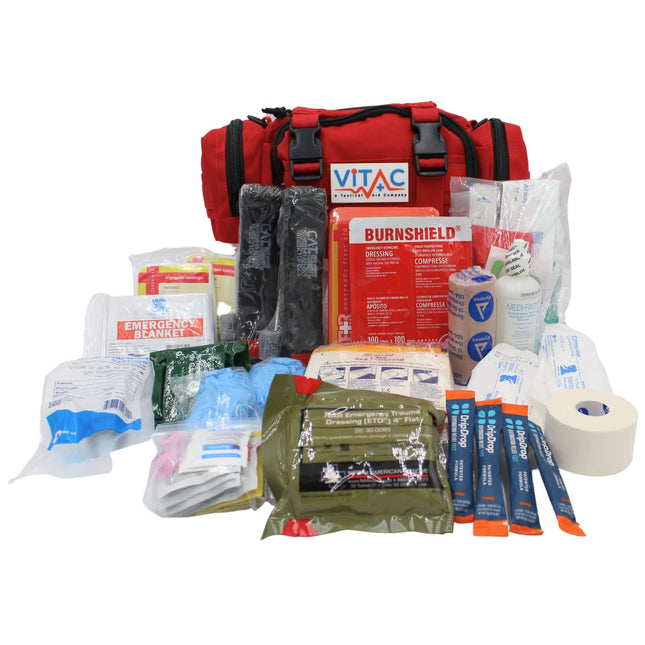

Built for when you're miles from help and seconds from crisis. MARCH-informed speed, organization, and authentic name-brand components help you act in the Golden Hour.
$299.99 $279.99
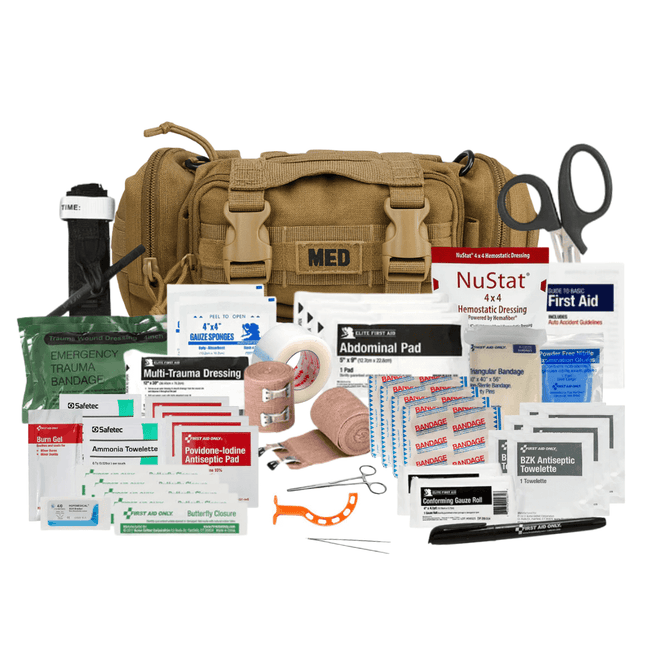

76 organized items — tourniquet, hemostatic gauze, ETDs, oral airway, burn care & wound tools — in a 2 lb MOLLE pouch built for rapid deployment on any rig.
$124.95 - $224.73


MARCH-informed and professional-grade components help you act decisively in the Golden Hour—on patrol, at roadside scenes, or off-grid.
$249.97 - $299.97


The Adventurer First Aid Kit delivers professional-grade trauma and first aid capability in a compact, field-organized pouch—engineered for hikers, hunters, climbers, and overlanders who need reliable medical readiness miles from help.
$164.95


CAT® tourniquet, QuikClot® gauze, HyFin® chest seals & NPA plus 70+ wound care, burn, and tool items — Professional trauma capability meets complete first aid in one rip-away MOLLE pouch.
$169.95


Berman OPA airway set (6 sizes), Burnshield burn care, padded wire splint, seatbelt cutter & glucose gel — 70 professional-grade items in a weather-resistant 10 lb MOLLE backpack for vehicles, teams & outdoor use.
$224.95


TCCC-compliant IFAK built by Army Special Forces veterans. CAT® tourniquet, QuikClot® combat gauze, HyFin® chest seals, and NPA — organized for speed in the field.
$198.95


C-A-T® tourniquet, QuikClot® hemostatic gauze, HyFin® Vent chest seals & 24" aluminum splint — 10-item Advanced-tier IFAK in a 1.7 lb MOLLE pouch. Hemorrhage, chest wounds & fractures.
$129.95


The Tactical Trauma Backpack delivers full-scale, professional trauma capability in a rugged, MOLLE-ready system—built to keep you alive and operational when help is far away.
$329.95 $279.95


The MediTac Bleeding Control Pack – Intermediate delivers professional bleeding and airway control capability in a compact, vacuum-sealed design built for real emergencies.
$89.95 - $99.95


The ViTAC Vehicle Trauma Response Kit w/Trauma Care transforms your vehicle into a mobile emergency station, equipping you with military-grade tools to control bleeding, treat trauma, and manage airways when seconds count and professional help is still miles away.
$259.00


The On-Hand First Aid Kit (OHFAK) is a compact, professional-grade trauma kit engineered for rapid response and real-world deployment—combining a tourniquet, hemostatic gauze, and chest seals in a rugged, quick-access pouch
$65.00


$229.95


The TORK® – Advanced delivers elite-level trauma response in a compact, field-ready design—trusted by operators who refuse to compromise on readiness.
$219.19 - $227.99


$179.95


$179.95


NAR®-built dual-purpose IFAK carrying tools for both the handler and K9. C-A-T® tourniquet, HyFin® vent chest seals, NAR® gauze & digital vet thermometer — one kit, two patients.
$143.49 - $228.99


The Headrest IFAK transforms any vehicle into a rapid-response trauma station—compact, secure, and ready when every second counts.
$346.69


The Recon IFAK combines rapid rip-away access with professional-grade trauma tools—built for operators who demand speed, precision, and reliability under pressure.
$99.95


$99.95

$89.95


Fast, rugged, and mission-ready—the General Purpose IFAK delivers advanced trauma care and everyday emergency readiness in a compact, rip-away platform.
$139.95


$149.99


$499.95 $399.95






Most of our trauma kits and first aid supplies qualify for HSA and FSA reimbursement. Don't let your benefits expire — invest them in gear that could save a life.
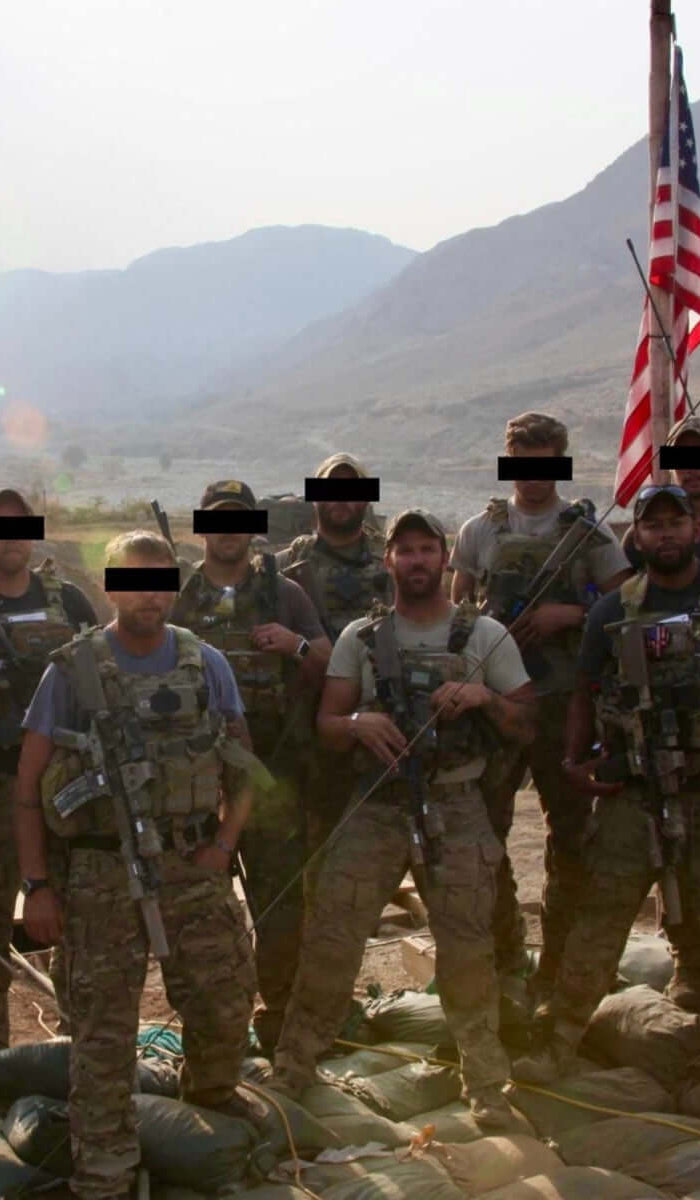
We've been downrange. We know what it costs to be unprepared. ViTAC was built by U.S. Army Special Operations veterans to make sure the people who run toward the threat — and the families who depend on them — have gear that works when everything is on the line.
— ViTAC Solutions Founders | 40+ years combined Special Operations experience




Emergency medical trauma kits—often called Individual First Aid Kits (IFAKs) or tactical trauma kits—are purpose-built medical loadouts designed to address life-threatening injuries in the critical minutes before professional medical care arrives. Unlike general first aid kits that handle minor cuts, sprains, and headaches, trauma kits prioritize massive hemorrhage control, airway management, chest injuries, and hypothermia prevention—the leading preventable causes of death in trauma situations.
These kits are essential for law enforcement officers, military personnel, first responders, security professionals, outdoor guides, workplace safety teams, and prepared citizens who understand that severe bleeding from vehicle collisions, industrial accidents, active threats, or backcountry emergencies demands immediate, decisive intervention.
Selecting the right emergency medical trauma kit depends on six key factors:
1. Carry Method & Mounting
Compact belt pouches and EDC kits suit daily carry and patrol work, MOLLE-compatible rip-away designs attach to plate carriers and vehicle headrests, while medical backpacks support team medics and multi-casualty response.
2. Response Role & Training Level
Basic IFAKs focus on tourniquet application and direct pressure for bystanders and minimally trained personnel, intermediate kits add hemostatic gauze and chest seals for Stop the Bleed–certified responders, and advanced loadouts include airway adjuncts and decompression needles for EMTs, paramedics, and tactical medics.
3. Number of Casualties
Individual kits treat one person, dual-purpose K-9 handler kits cover both handler and working dog, and mass casualty backpacks carry supplies for 5+ patients during active shooter events, natural disasters, or large-scale incidents.
4. Environment & Durability
Rugged nylon construction, water-resistant zippers, and glove-friendly pull tabs ensure deployment in extreme heat, cold, rain, dust, and low-light conditions across urban, maritime, wildland, and alpine environments.
5. Component Shelf Life & Restocking
Check expiration dates on hemostatic agents (typically 3–5 years) and sterile dressings, and pair kits with refill bundles to rotate stock before expiration and maintain readiness across drills and shifts.
6. Compliance & Standards
TCCC-compliant (Tactical Combat Casualty Care) kits meet military and law enforcement protocols, while workplace and school kits should align with OSHA guidelines, state regulations, and organizational medical direction.
These kits are designed for:
First responders, law enforcement and military personnel, security professionals, workplace safety officers, outdoor guides and expedition leaders, vehicle and UTV operators, school resource officers, and trained citizens committed to Stop the Bleed principles and ongoing skills practice.
These kits are not a substitute for:
Professional medical training, routine first aid supplies (bandages, pain relievers, antiseptics), or definitive hospital care. Trauma kits address immediate life threats—they do not diagnose, treat chronic conditions, or replace 911 activation and rapid transport to trauma centers.
Core components in emergency medical trauma kits include:
Advanced kits may also include needle decompression tools, occlusive dressings, splinting materials, and additional airway adjuncts based on responder training and scope of practice.
ViTAC Solutions is a veteran-owned business built on real-world medical and tactical experience. Our team understands that trauma kits must balance footprint with capability, intuitive organization with rugged durability, and professional standards with practical affordability. We curate every component based on field performance, not marketing hype, and prioritize clear product specs—dimensions, mounting options, component lists, and shelf life—so agencies, workplaces, schools, and prepared households can standardize equipment across teams and budgets with confidence.
Browse our complete collection of emergency medical trauma kits and IFAKs below. Each product page includes detailed component lists, mounting options, dimensions, and shelf life information to help you select the right kit for your role, environment, and training level. Equip with confidence—control the bleed, stabilize casualties, and move decisively toward definitive care when every second counts.
What's the difference between a trauma kit and a regular first aid kit?
Trauma kits focus exclusively on life-threatening injuries—massive bleeding, airway compromise, chest wounds, and shock—using tourniquets, hemostatic gauze, chest seals, and pressure bandages. Regular first aid kits address minor injuries like cuts, burns, sprains, and headaches with bandages, antiseptics, pain relievers, and gauze pads. If you're preparing for severe accidents, active threats, or remote emergencies where professional care is delayed, a trauma kit is essential.
Do I need special training to use a trauma kit?
Basic tourniquet application and direct pressure can be learned through free Stop the Bleed courses (2–3 hours), which are widely available through hospitals, fire departments, and community organizations. Advanced components like hemostatic gauze, chest seals, and airway tools require additional training and should only be used within your scope of practice. We strongly recommend pairing any trauma kit purchase with hands-on training and regular skills practice.
How often should I replace components in my trauma kit?
Hemostatic agents typically expire in 3–5 years, sterile dressings and chest seals in 3–5 years, and tourniquets have no expiration but should be inspected regularly for material degradation. Check manufacturer dates on all components annually, rotate stock before expiration, and consider pairing your kit with refill bundles to maintain readiness across training drills and real-world deployments.
What size trauma kit do I need for vehicle or workplace use?
For personal vehicles and small workplaces (1–5 people), a compact rip-away IFAK or headrest-mounted kit provides rapid access to core bleeding control tools. Larger workplaces, fleet vehicles, and job sites with higher risk or remote locations benefit from intermediate kits with multiple tourniquets and dressings or full medical backpacks for multi-casualty response. Assess your team size, response time to professional EMS, and specific hazards (machinery, heights, confined spaces) when selecting capacity.
Are trauma kits HSA/FSA eligible?
Many trauma kits and individual components qualify for Health Savings Account (HSA) and Flexible Spending Account (FSA) reimbursement as eligible medical expenses. Check product pages for HSA/FSA eligibility tags, and consult your plan administrator or use your benefits card at checkout to confirm coverage for specific items.
Can I use a trauma kit on my K-9 or working dog?
Yes—several kits in this collection are specifically designed for K-9 handlers and include dual-purpose components for both handler and dog injuries. Canine-specific items may include smaller tourniquets, hemostatic gauze, and pressure bandages sized for dog anatomy. If you work with K-9 units, look for "K-9 Handler IFAK" or "Dual-Purpose" designations in product titles and descriptions.
What's the difference between MOLLE, rip-away, and pouch-style trauma kits?
MOLLE-compatible kits attach to tactical vests, plate carriers, and backpacks using modular webbing for secure, customizable placement. Rip-away designs use hook-and-loop backing to mount on gear or vehicle surfaces and tear free instantly for rapid deployment. Pouch-style kits use belt loops, clips, or standalone carry and suit EDC, vehicle glove boxes, and range bags. Choose based on your primary carry method and how quickly you need to access or hand off the kit under stress.
Do trauma kits include instructions or reference cards?
Many kits include quick-reference cards, casualty cards for documenting interventions, and basic usage guides. However, these are not substitutes for formal training. We recommend completing Stop the Bleed certification, reviewing product-specific instructions from component manufacturers (tourniquet, hemostatic gauze, chest seal), and practicing skills regularly with training versions of your equipment to build confidence and muscle memory before emergencies occur.